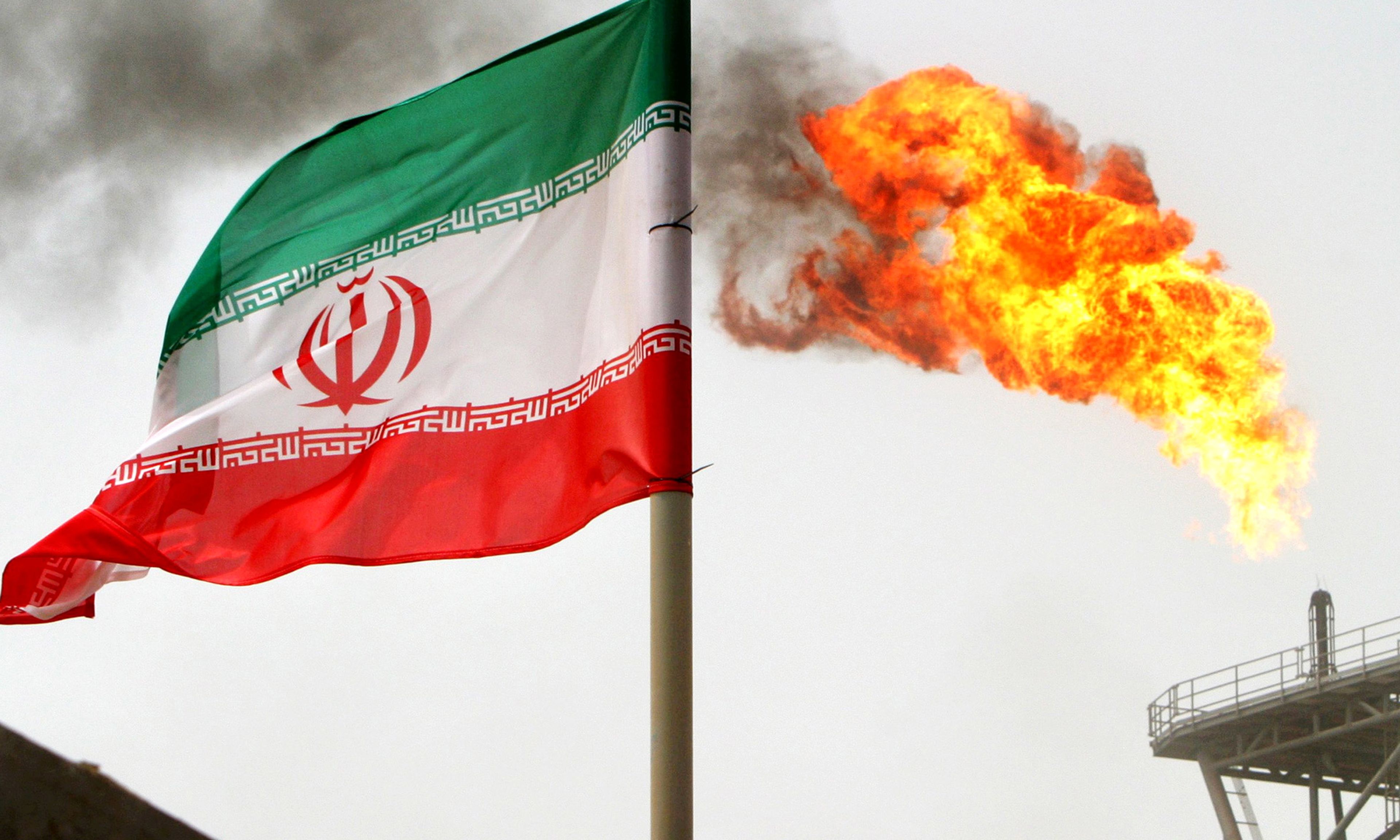
When you’ve done your day’s viewing of government coronavirus briefings — Governor Cuomo’s, Governor Newsom’s, President Trump’s — spare a minute for Grand Ayatollah Khamenei’s. In a cozy fireside-chat format, Iran’s Supreme Leader has been taking the opportunity presented by this moment of shared global suffering to remind the world that the true enemy of mankind is not epidemic disease, but the “vicious, lying, brazen, avaricious, cruel, merciless, terrorist” United States, and atheist, materialist Western civilization.
Throughout the Middle East Khamenei’s clients provide a steady chorus for this kind of invective. One consequence is that the claim he is now broadcasting — that the U.S. government intentionally created the coronavirus — has become a commonplace among his adherents. A French historian once described the young Ali Khamenei as the “Robespierre” of the Iranian Revolution. We are living in the world in which Robespierre won — the one in which that most radical and bloodthirsty of revolutionaries lives on, in his dotage, to spread his message to millions over social media.





Comments