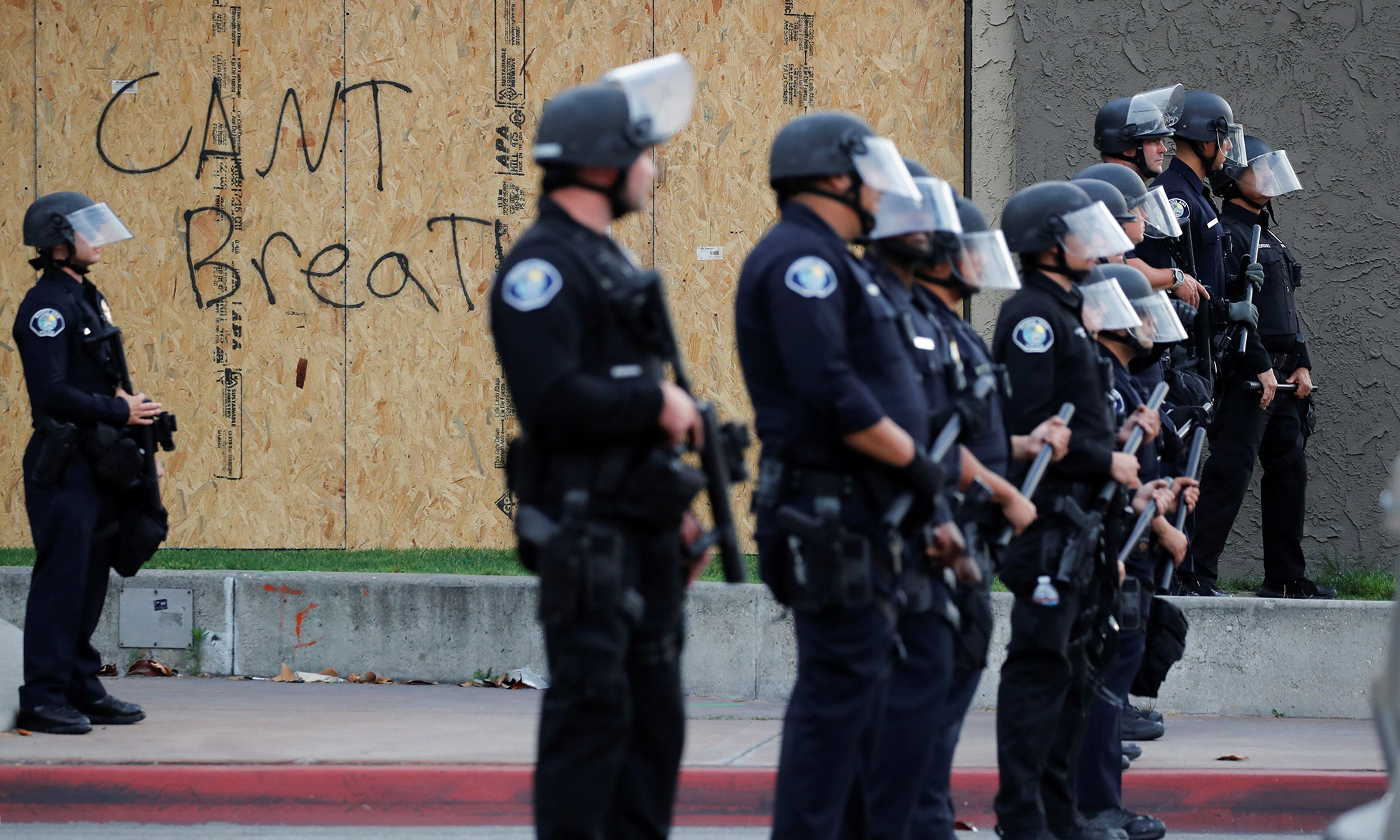
The past few weeks have not been kind to traditional, cops-on-the-street policing. In the aftermath of a few heavily reported black deaths at the hands of the police, even Republican politicians have been pressured into introducing new legislation aimed at holding officers accountable for hostile and aggressive behavior. On the other hand, left-wing activists have called for reforms ranging from modest police-department budget cuts to the outright dissolution of policing. This shift in momentum is not confined to the realm of words: Local governments have answered the demands of Black Lives Matter and other groups by effecting large-scale changes. New York City, for example, has announced that it will entirely disband its anti-crime units, a move which, by definition, is certain to embolden enterprising criminals. On the other side of the United States, Los Angeles plans to cut $150 million from the annual budget of its police department — a decision some say is not nearly enough. But the greatest remolding of all comes from the middle: Minneapolis’s city council looks determined to abolish the Minneapolis Police Department.
Amid such vast and rapid change, it is a healthy thing — as ever — to take a breath and to consider the words of the great American moralist Russell Kirk. In his essay “What is Conservatism?,” Kirk lays forth what is essentially an argument for conserving: “Conservatives uphold the principle of social continuity. They prefer the devil they know to the devil they don’t know. Order and justice and freedom, they believe, are the artificial products of a long and painful social experience, the results of centuries of trial and reflection and sacrifice.” How might one interpret these words in the context of police reform? Quite clearly, the “devil we know” is policing in its current form. Kirk, for one, does not gloss over the problems with the desired objects of his conservation; on the contrary, he admits that great evils afflict any society, as evil is inherent to the human condition. In the same way, we should acknowledge the issues with policing as we know it: It can be intimidating, authoritative, and even menacing. Moreover, police departments have, on the whole, a markedly worse rapport with racial minorities than with whites — a tragic state of affairs, whether the mistrust is grounded mostly in perceived or factual discrimination. But what is the alternative to modern-day policing? In truth, there are two: radical reform and measured reform.





Comments