
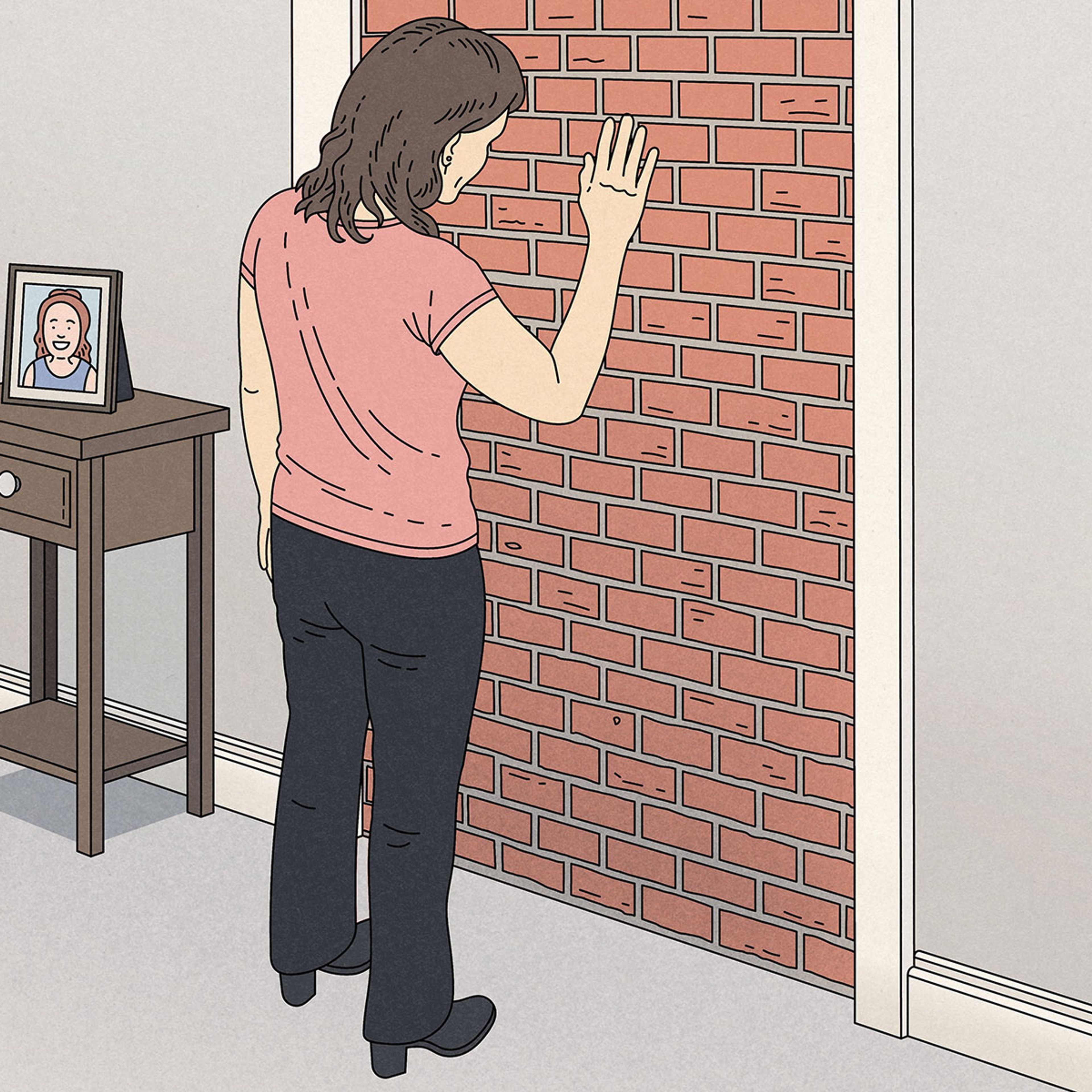
Greg Patton — a business professor, for now, at the University of Southern California, who committed the outrage of repeating a Chinese expression that sounds similar to a racist slur in English — is the latest scholar to fall prey to campus cancel culture. His case also serves as a warning that, while cancel culture is a real phenomenon that presents a clear and present danger to academic freedom, a more insidious peril lurks: the soft despotism of presumed conformity.
Patton’s name is now known, and should be, to defenders of academic freedom. His case illustrates the bizarre entanglements to which cancellation is prone. He was educating students about Chinese language and culture, yet was canceled in the name of cultural diversity. Patton’s lesson pertained to the use of language, yet his dean, Geoffrey Garrett, misused the obligatory word “safety” (Oxford English Dictionary: “the state of being protected from or guarded against hurt or injury”) to describe the anxieties offended students felt.



Comments