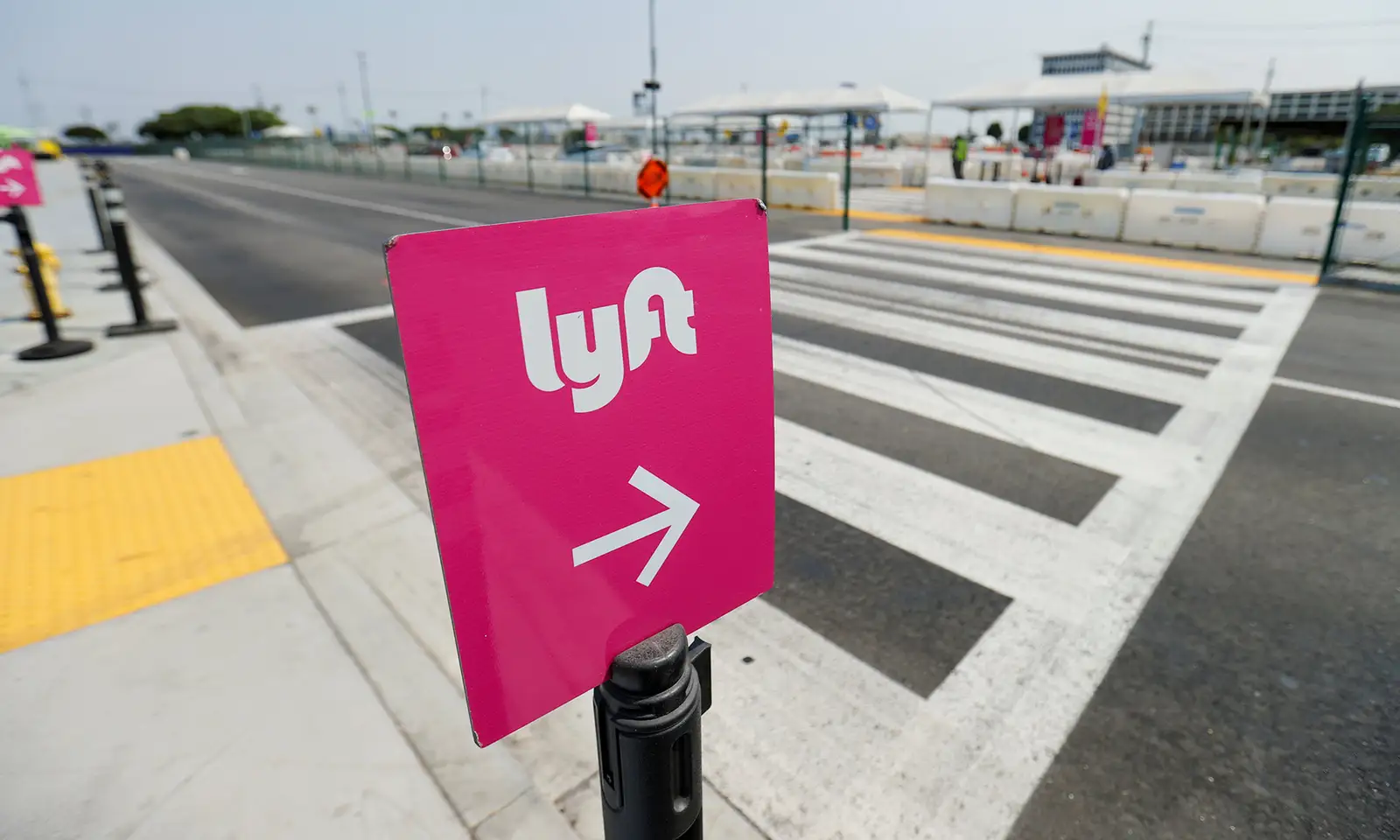
Just days before Californians themselves were set to decide on the matter, a state appeals court has ruled that app-based ride-sharing companies Uber and Lyft must comply with state law AB5 and classify all of their drivers as employees rather than contractors. The ruling raises the possibility that the companies will simply end operations in the state altogether, both having stated previously that their business model depends on the flexibility of using contractors.
The companies claim, and drivers often confirm, that the flexibility of contract work is key to their operations. Employers are required under federal and state law to schedule and track their employees’ hours for overtime, unemployment, and other purposes. That’s not case with contractors, who are legally considered independent businesses.
Critics of the ride-sharing companies, such as California Gov. Gavin Newsom, claim that’s just a dodge to get out of paying overtime and complying with other workplace regulations. Labor unions have pushed for the drivers to be classified as employees, since contractors cannot join unions.
A three-judge state appeals court panel on Thursday agreed, rejecting the companies’ arguments out of hand. The panel was in full crusader mode, calling the case a “reminder that the foundation of interim injunctive relief lies in equity comes from Justice Ruth Bader Ginsburg, who was renowned for her expertise in procedure long before she became the national icon known as RBG.”
The panel said that there was just no reason to assume that forcing ride-sharing companies to operate as traditional employers would in any way hurt their business model, even as it conceded that that model was built around contractors.
“We recognize that defendants’ business models are different from that traditionally associated with employment, particularly with regard to drivers’ freedom to work as many or as few hours as they wish, when and where they choose, and their ability to work on multiple apps at the same time,” it said.
The “multiple apps” point, in particular, is worth noting, because that refers to the ability of drivers to work for multiple different app-based companies at the same time. In other words, the drivers can work for a company and its direct competitor, a situation no traditional employer would tolerate. But a business cannot automatically restrict a contractor from doing that. The ride-sharing companies don’t even try. If you’ve ever taken a ride in an Uber or a Lyft, you’ve probably also seen a sticker for the other service in the drivers’ window.
The panel nevertheless argued the companies were employers because the ride-sharing service they provided was the core of their business model, rather than an incidental activity, pointing to a Supreme Court ruling called Dynamex. As for the possibility that the companies cannot function as traditional employers, the panel asserted that just couldn’t possibly be true.
“The People counter, correctly, that a party suffers no grave or irreparable harm by being prohibited from violating the law,” the panel said.
That is not true in the real world, however: An ill-conceived law can cause great damage. A good example can be found in the case of AB5 itself. In addition to scaring off many employers who use contractors, the law reined in contract work generally, strictly limiting what even traditional freelancers like photographers or musicians could do. State lawmakers were forced to amend the law and carve out exemptions for numerous professions. That’s clear proof that they had overreached. Freelancers still claim it’s too restrictive.
It may yet get worse for Californians. If the state ballot’s Proposition 22 to roll back AB5 fails and the panel’s ruling stands, the companies have said they’ll simply stop operating the state. Customers throughout the state will have limited transportation options — a potential public safety issue, as Mothers Against Drunk Driving has warned. Meanwhile, numerous drivers will be left without a way to make the additional money that ridesharing offers at a time when Californians need the opportunity. The national unemployment rate is 7.9 percent, but the Golden State’s rate is 11 percent. California’s unemployment has been consistently higher than the national average throughout the year, and the state’s effort to reign in gig-economy companies has likely been a factor.





Comments
On “Court Ruling Could Kill Uber and Lyft in California”