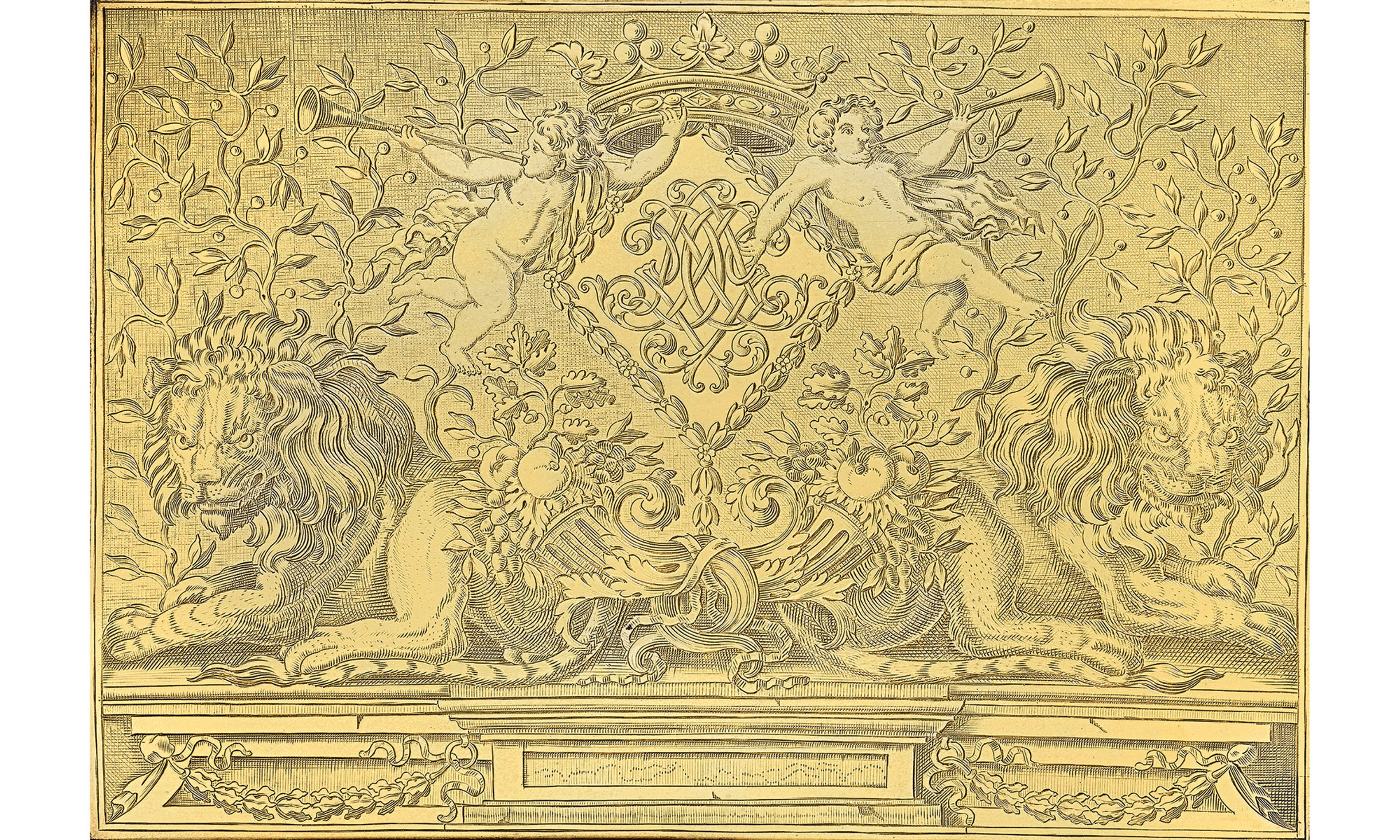
The European Fine Art Fair (TEFAF) is one of my favorite events of the year. The art is uniformly good — every object is vetted independently for quality and authenticity — and most things are fresh to the market. Everything is museum-quality. The autumn version of TEFAF stresses, broadly speaking, design, and while there are paintings, and some very fine ones, sculpture, furniture, silver, and jewelry are the places to find hit after hit.
In this incarnation, the dealers aren’t there. No people-watching, either, and the quirks of the rich are always fun to see. I miss the dealers, all good-humored and doughty — they have to be since the in-person fairs run for days — and all connoisseurs. They’re enthusiasts, and you can’t fake that for an entire week, and they usually know more about their specialty than academics do. A professor will know an object’s place in the history of art. A dealer will know condition, provenance, rarity, as well as the art history I’d call salient rather than fancied, irrelevant, or minute — niches at which art historians excel.


Comments