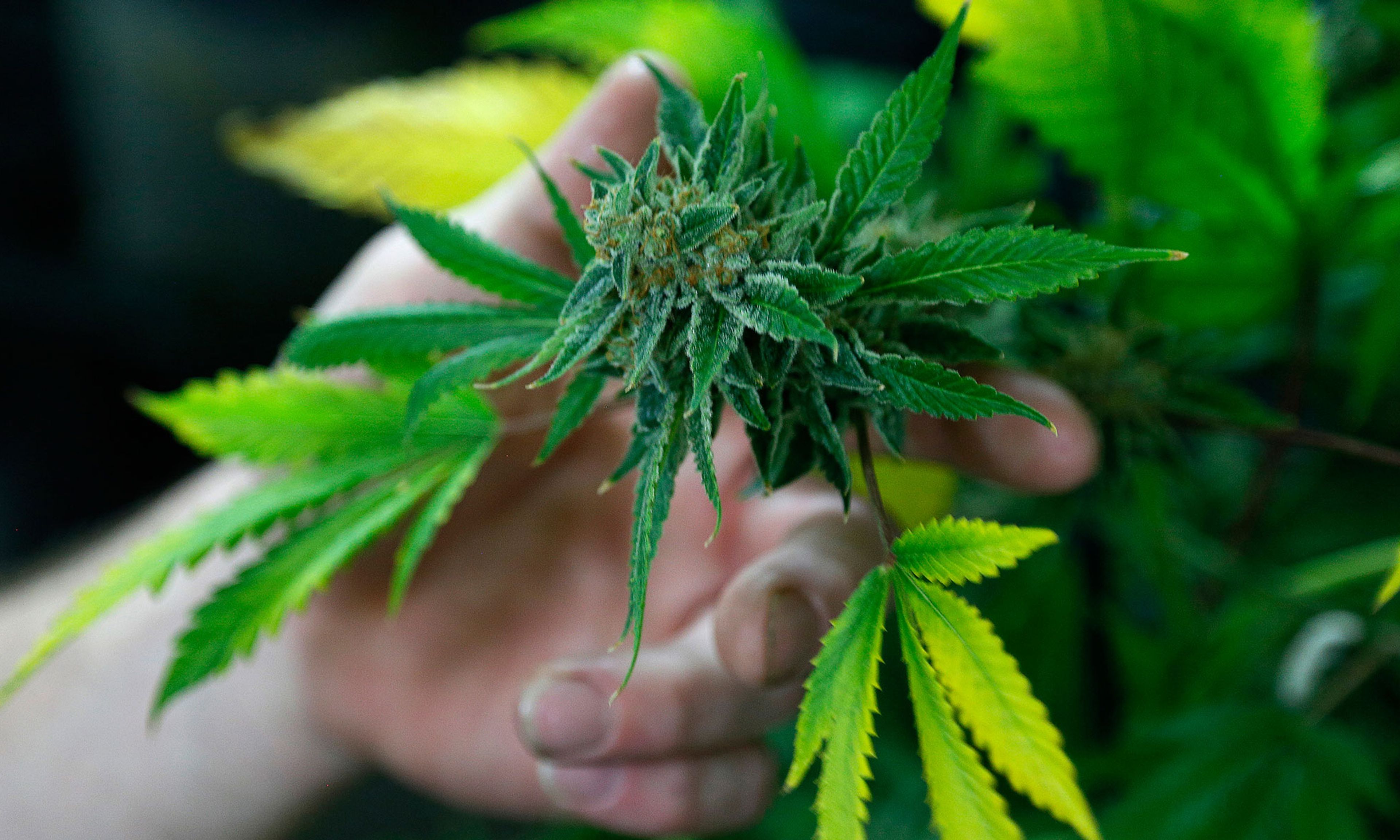
With controversy over the 2020 election still stirring, a notable development has escaped much attention. Not only has the national trend toward legalizing marijuana continued, a Rubicon has been crossed: Oregon adopted a ballot initiative that decriminalizes the possession of hard narcotics, including heroin, cocaine, and methamphetamines.
No, it is not a green-light for drug trafficking — not yet at least. The ballot initiative approved in the Beaver State aims to strike the criminal penalties for the possession of personal-use amounts of illegal narcotics, generally a misdemeanor, not possession of greater amounts, which indicates an intent to engage in felony distribution. Selling or otherwise transmitting drugs is still a state crime.





Comments