In today’s Republican Party, there is no status more prized than that of rock-ribbed conservative. What this means, precisely, remains the subject of hot debate. The prevailing definition — the one embraced by a plurality if not a majority of the party at the moment — seems to be something approximating “supports and defends President Trump in all of his endeavors.” One-hundred and twenty-six GOP congressmen met this particular definition by filing an amicus brief urging the Supreme Court to accept the lawsuit brought by Texas attorney general Ken Paxton to overturn the election results in four swing states: Georgia, Pennsylvania, Michigan, and Wisconsin. Seventeen other state attorneys general also backed the effort, one our Andy McCarthy called “frivolous,” “a lamebrain idea,” and a step toward “the brink.”
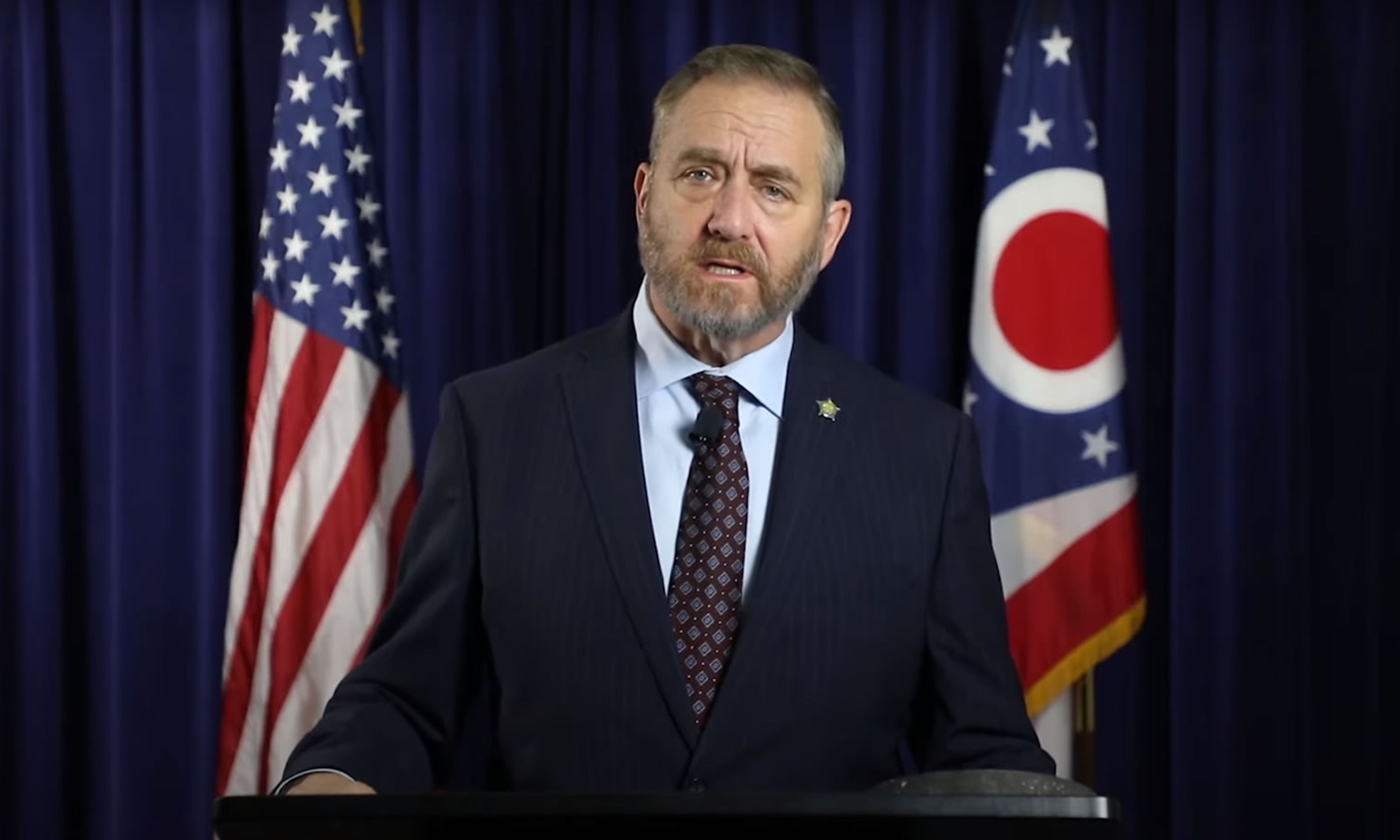
One of the few Republican attorneys general trying to pull the GOP away from the brink, however, is Ohio attorney general Dave Yost. He filed his own brief in the Texas case, which the Supreme Court rejected on December 11. Like Paxton, Yost harbors serious concerns about the meddling in this year’s election processes, most egregiously in Pennsylvania, where, Yost noted in an interview with National Review, the state’s Supreme Court “alter[ed] the express terms of a statute” by mandating that the state accept mail-in ballots up to three days after November 3. He attributes much of the “chaos” in this year’s election to executive and judicial overreach and calls it “important” to answer the questions many Americans have about the election’s integrity. That’s why he urged the Court to weigh in on “the extent of the power that the Electors Clause confers on state legislatures and withholds from other actors” in his brief.





Comments