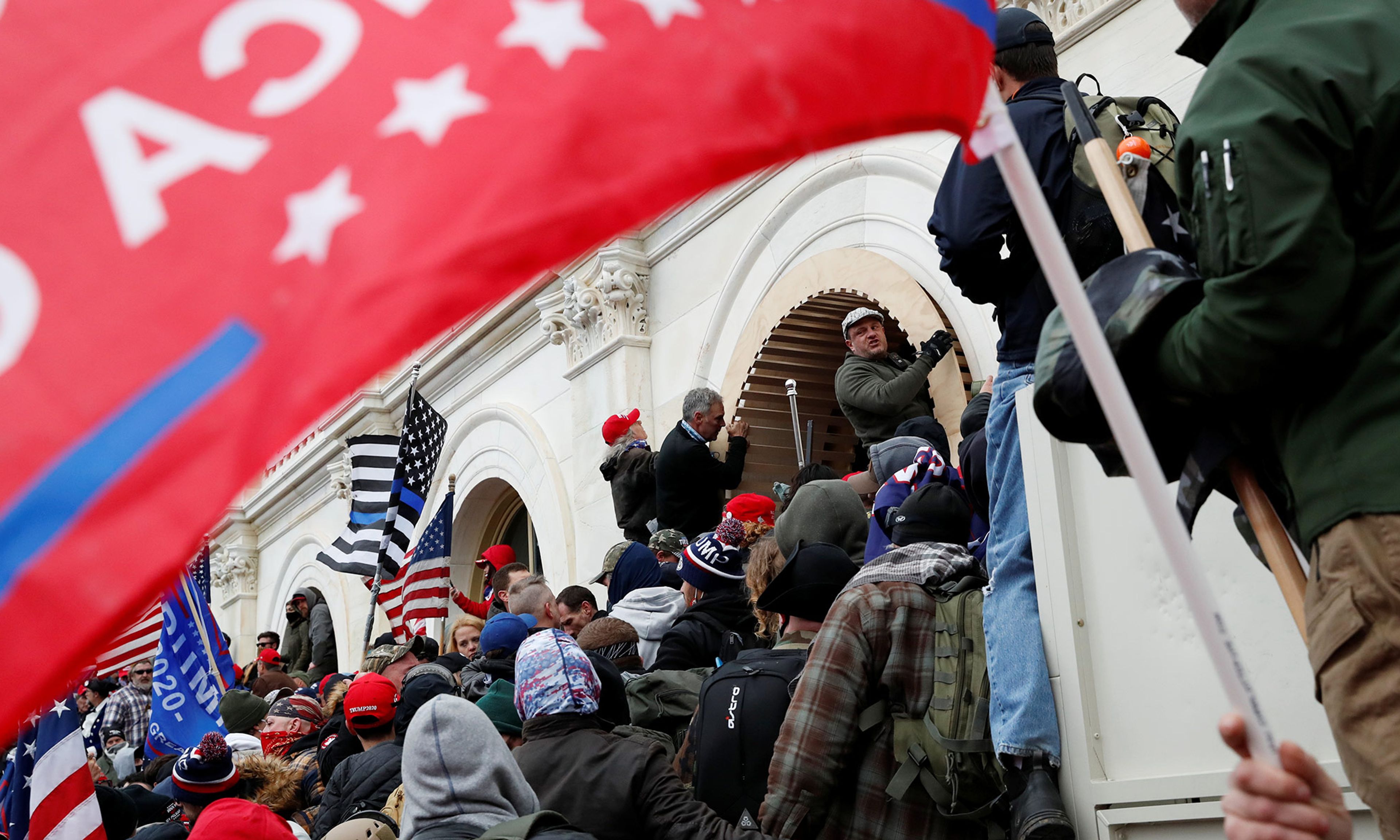
Suddenly there is enthusiasm over the prospect of prosecutions for seditious conspiracy, which was made a federal crime during the Civil War and is now codified by Section 2384 of the federal penal code. Last summer, when then-attorney general Bill Barr touted the statute as a potential vehicle for prosecuting violent rioters, the prospect was greeted with decidedly less enthusiasm.
As with insurrection, a concept whose mere utterance was grounds for ostracism a few months back (just ask Senator Tom Cotton), sedition is back in vogue now that the miscreants at issue are anathema to Democrats, rather than the party’s avatars of racial justice. Michael Sherwin, the acting U.S. attorney for the District of Columbia, has instructed prosecutors “to build sedition and conspiracy charges” against members of the mob that stormed the Capitol on January 6.




Comments