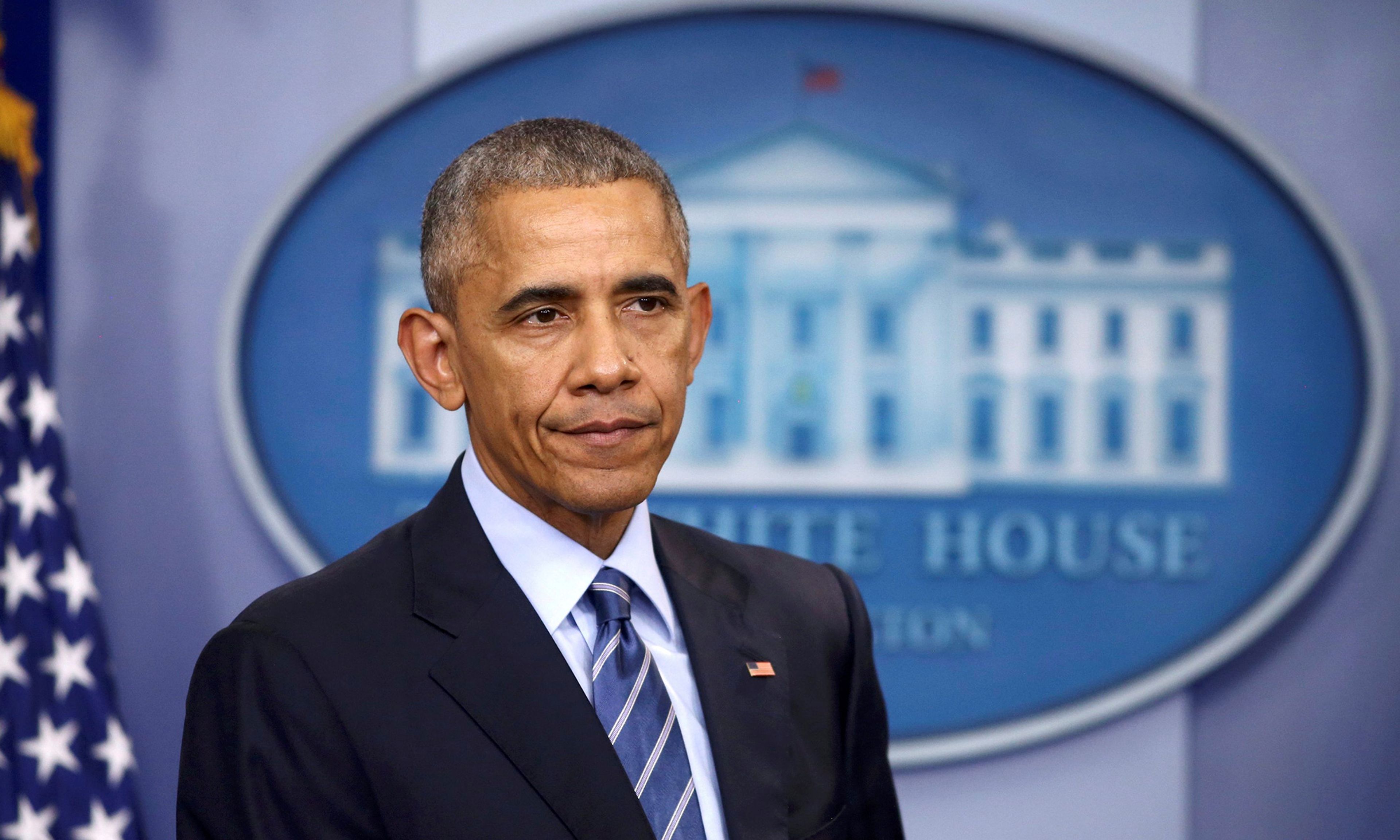
Barack Obama rose to political stardom in the wake of his 2004 convention speech, during which he made an implicit promise that he could transcend party divisions in Washington, bridge the gap between Republicans and Democrats, and make the federal government functional again. I’ll confess that I really thought he wanted to do this when he ascended to the presidency. It took the first volume of his memoirs and a recent interview he gave to Ezra Klein of the New York Times to fully and finally disabuse me of that notion.
During his 2008 campaign, Obama seemed to display a certain capaciousness of intellect and imagination that would allow him to get inside his opponents’ heads, understand their position in good faith, and address it in a perspicacious way, creating an illusion of rapport. He also knew how to do this with journalists. The conservative columnist David Brooks, for instance, was caught off guard during an interview with Obama when it became apparent that the then-senator had a favorite theologian, Reinhold Niebuhr, of whom he could speak learnedly and with enthusiasm — a pleasant surprise for a conservative admirer of Niebuhr like Brooks. This circumspection is clearly a part of the Obama mythos that the man himself values, because he restates it at the beginning of his interview with Klein:




Comments