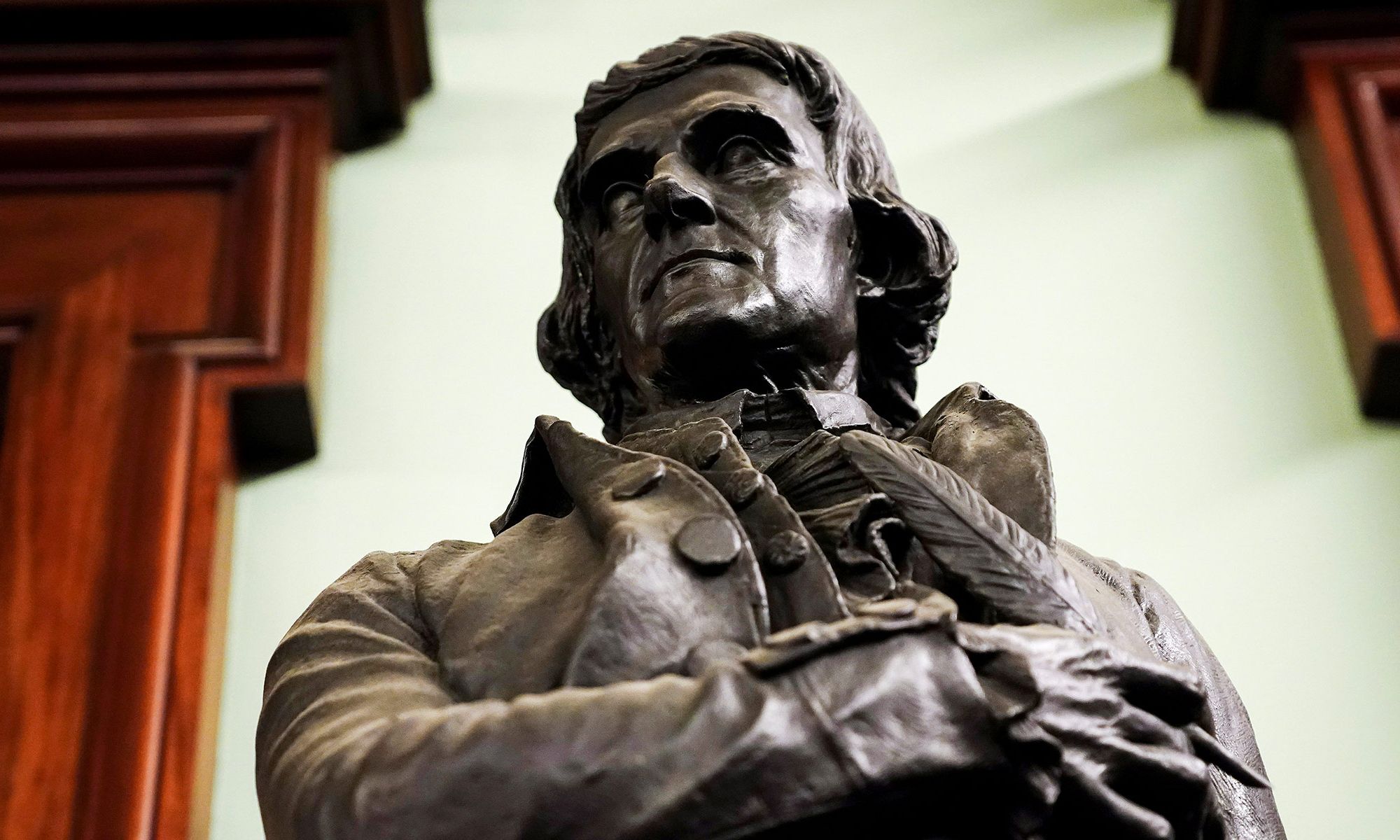
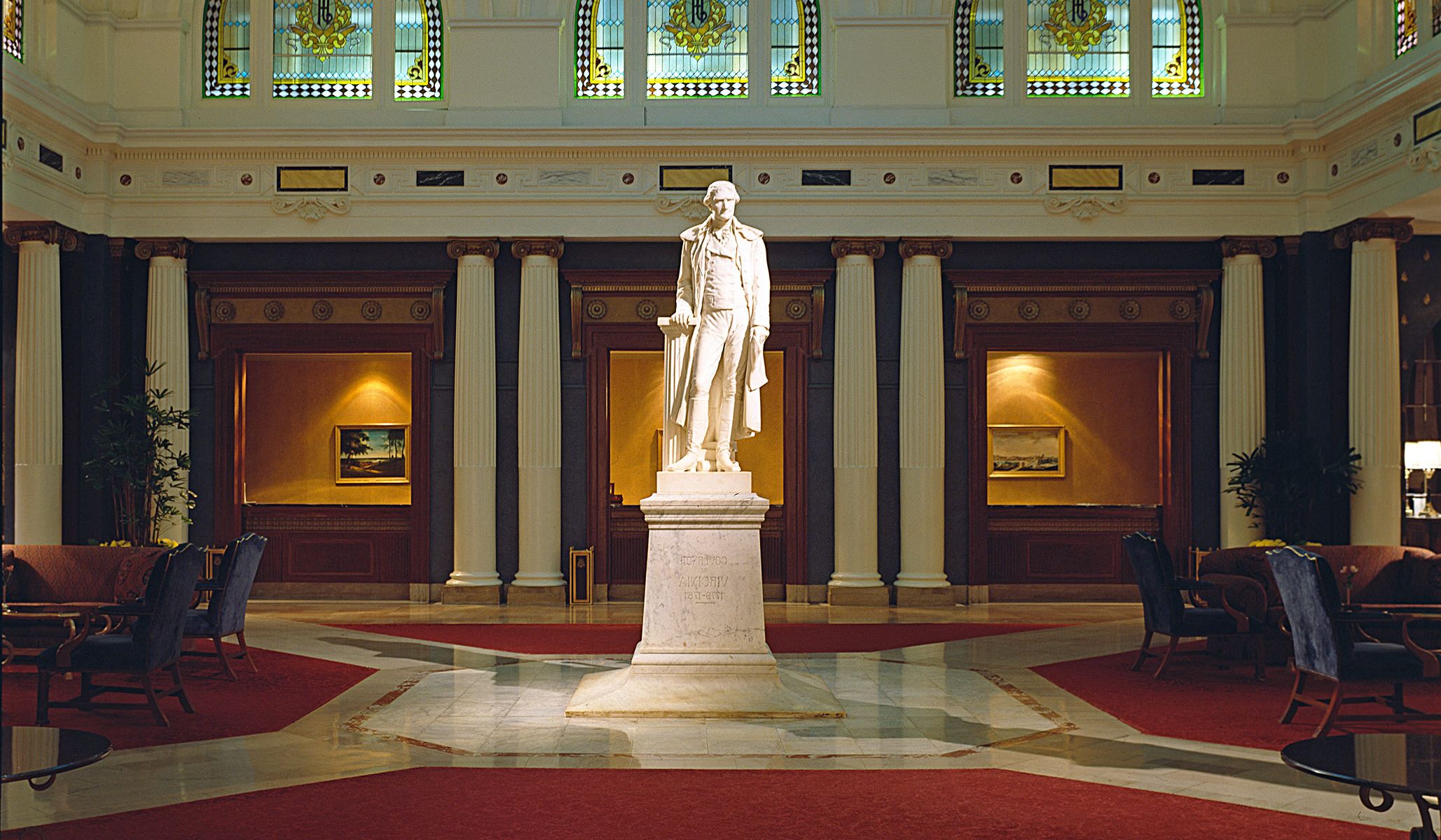
After more than a century, the New York City Council is removing a statue of Thomas Jefferson from its chamber. The decision, which was made by the New York City Public Design Commission, was unanimous.
It was wrong, too.
Justifying the move, Councilperson Adrienne Adams proposed that Jefferson had to go because he “embodied some of the most shameful parts of our country’s long and nuanced history.” But, ironically enough, it is precisely “nuanced history” that is missing from this analysis. Like many people, Jefferson could, indeed, be hypocritical and self-contradictory. Like many people from his region, he did, indeed, own slaves (and, unlike George Washington, he did not free them upon his death). And, like many people of his generation, he possessed some unpleasant private views. But it is not for any of that that we celebrate him. We celebrate him because he authored the Declaration of Independence — a magisterial document, which, both at home and abroad, has served as a beacon of hope and liberty throughout that “long” history to which Adrienne Adams refers.
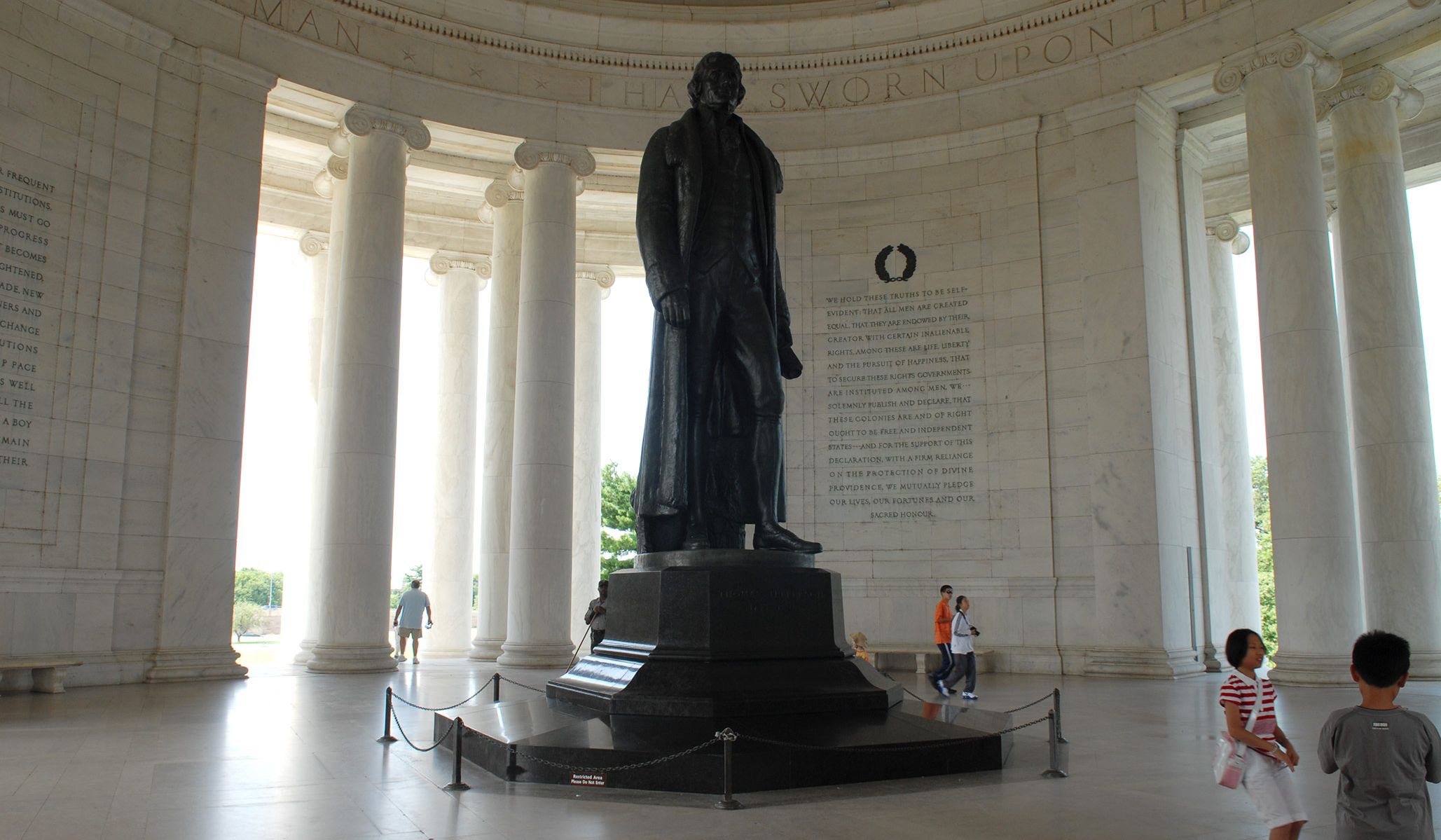
This matters, for, as Princeton’s Sean Wilentz told the commission in a letter, the statue in question “specifically honors Jefferson for” his role in penning the Declaration, which Wilentz describes as “his greatest contribution to America, indeed, to humankind.” Jefferson deserves to be honored for that contribution, which has served, in the words of Abraham Lincoln, as “an abstract truth, applicable to all men and all times,” as “the definitions and axioms of free society,” and as “a rebuke and a stumbling-block to the very harbingers of re-appearing tyranny and oppression.” It is no accident that the most pernicious expositor of the pro-slavery cause, Alexander Stephens, loathed Thomas Jefferson and was keen to cast the Confederacy as having been founded upon “exactly the opposite idea” to those “entertained by him and most of the leading statesmen at the time of the formation of the old constitution.”
Or, to put it another way: What was remarkable about Jefferson was not what he had in common with his contemporaries around the world, but what he did not. Taken in full, his is indeed a “nuanced” legacy, and yet there is no getting past the fact that among the achievements of his long public career were the elimination of the transatlantic slave trade to the United States; the creation of a free Midwest, which flowed from his proposal in 1784 to ban slavery in all the territories west of the Appalachians; and the provision of the moral ammunition that a later generation would use to stamp out slavery on the theory that “all men are created equal.”
To paraphrase John Adams, a free republic will be one of ideas, not of men. In this case, though, it is extremely difficult to separate them. Thomas Jefferson has stood at the New York City Council since 1915 not as a memorial to the Democratic-Republican party, or to Virginia, or to his two-term presidency, but as a tribute to the remarkable, world-changing ideas that he laid out in July of 1776. Those who have orchestrated his unceremonious removal ought to be careful, lest, in a fit of Jacobin pique, they tear down his self-evident truths into the bargain.
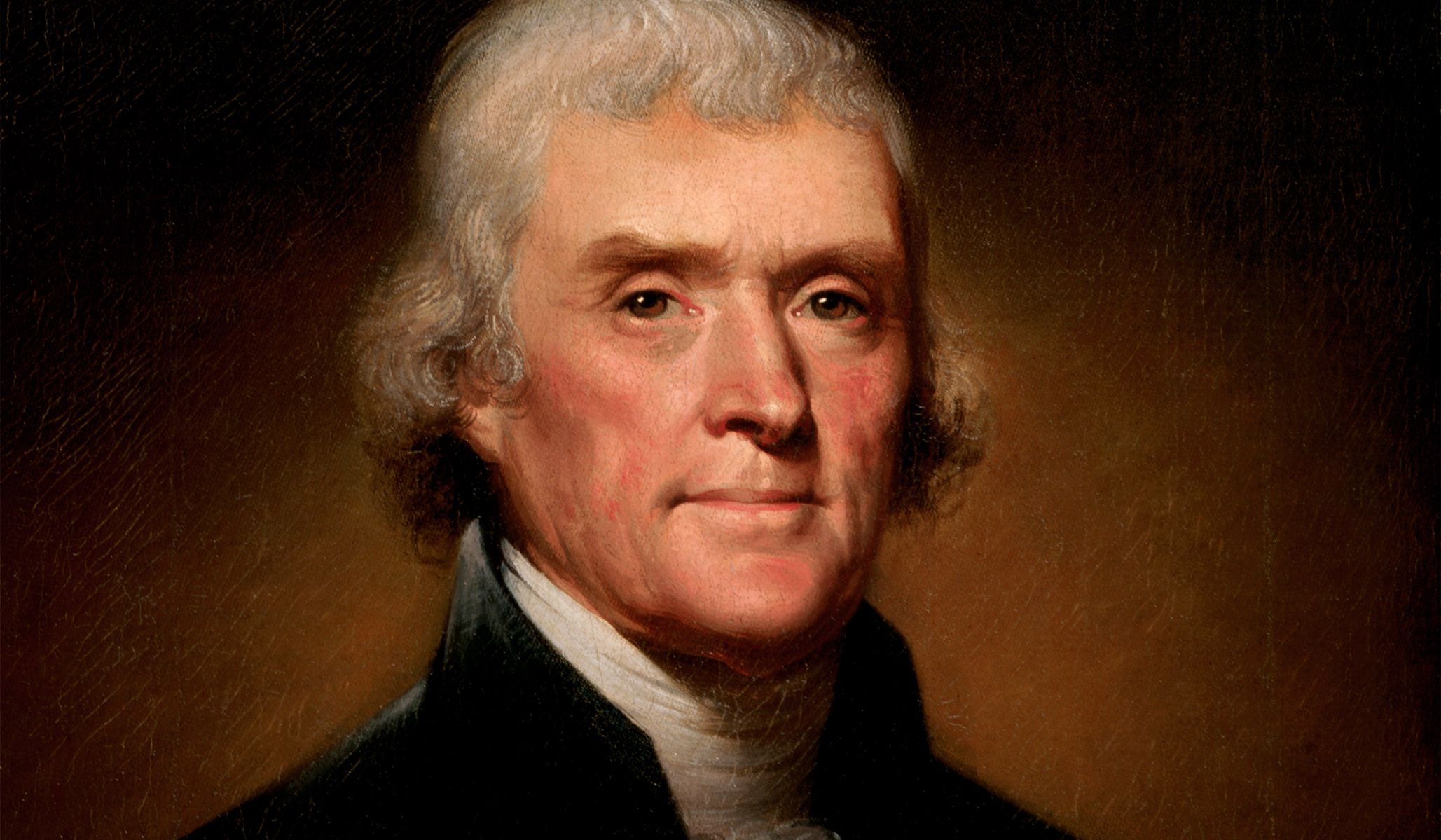
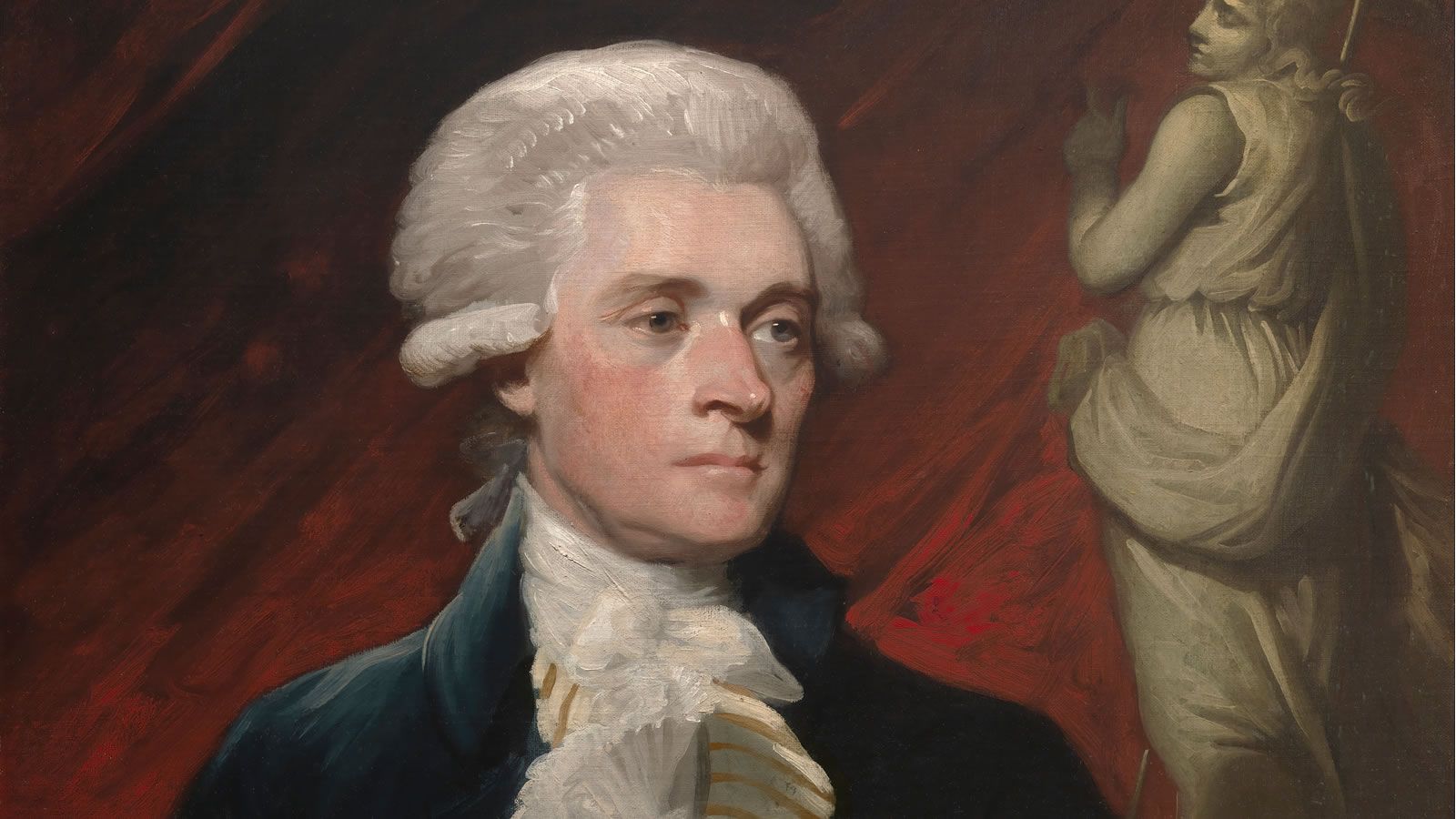
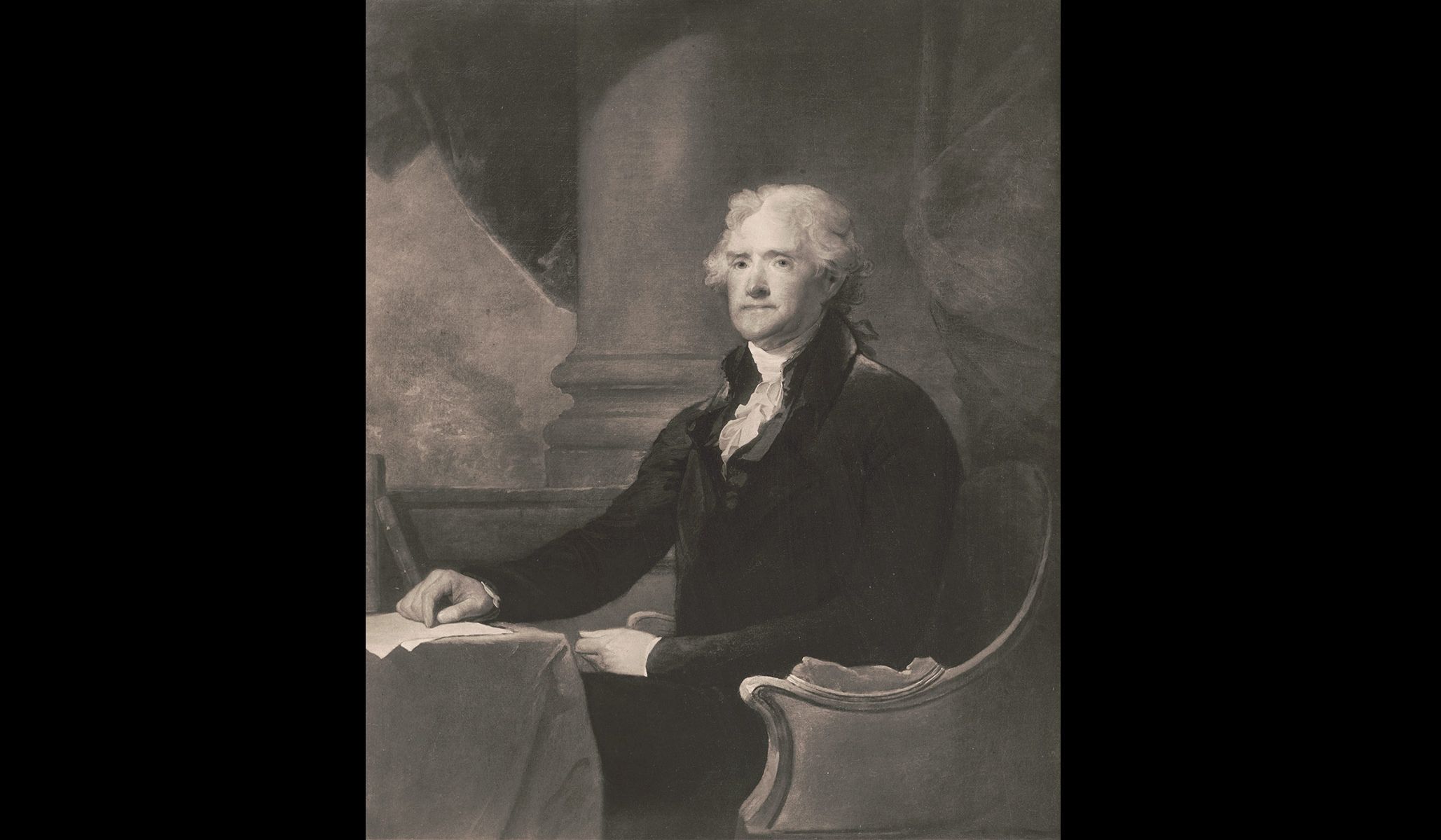
Detail of portrait of Thomas Jefferson by Rembrandt Peale, 1800
Wikimedia





Comments