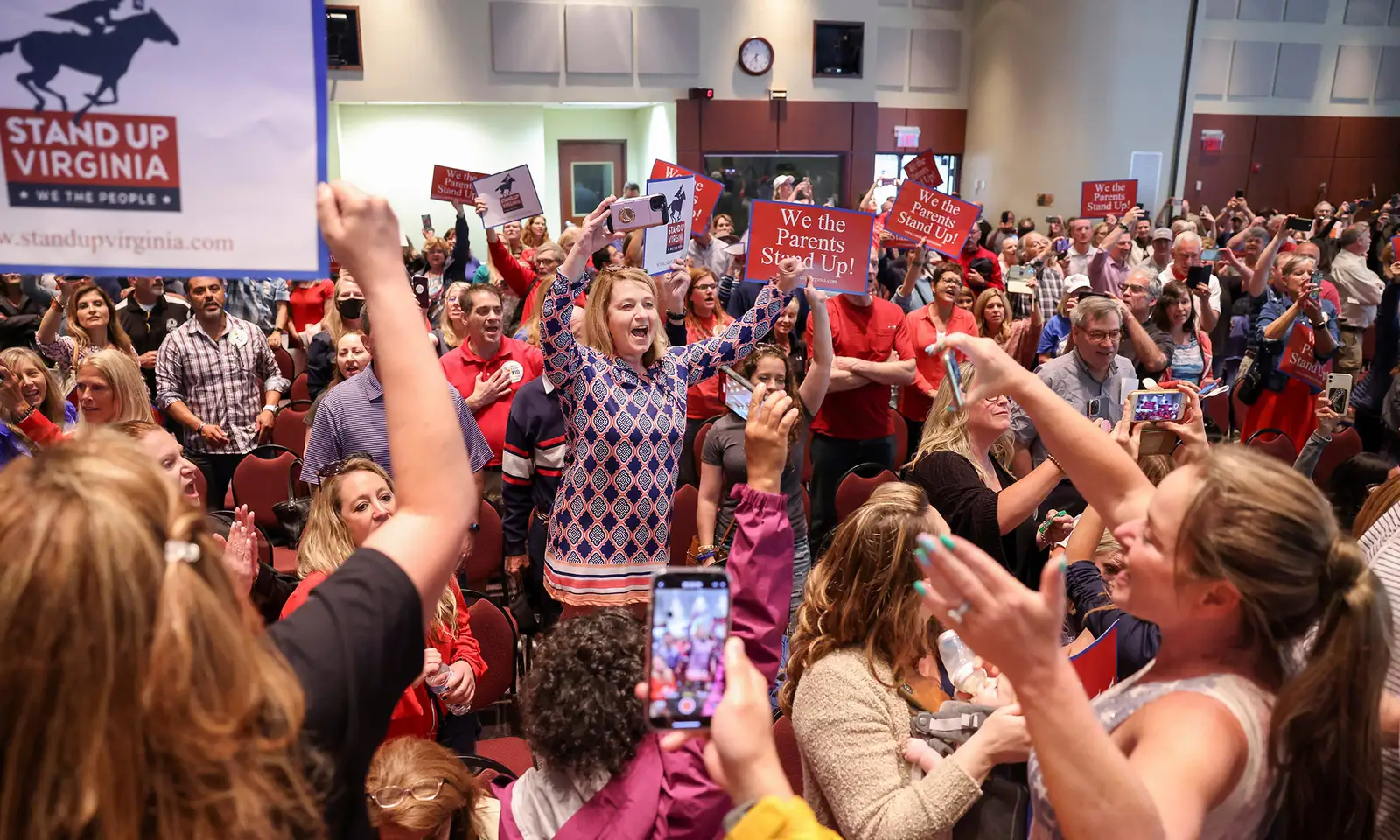
In America’s popular imagination, street protests — raised fists and colorful signs, marches and megaphone-led chants — are a distinctly left-wing phenomenon. From union strikes to Saul Alinsky–style “direct actions,” mass movements seem to carry far more romantic appeal for the Left than for the Right. Progressivism has traditionally understood itself as the politics of picket lines and sit-ins; conservatism tends to find its political center of gravity at Rotary Clubs, church meetings, and dinner tables in sleepy bedroom communities.
This presents an issue for conservatives. Protests — so long as they remain nonviolent — can be enormously effective. Even as support for the Black Lives Matter movement has fallen sharply from its peak in June 2020, last summer’s demonstrations precipitated a sea change in American institutions that went well above and beyond the hundreds of millions of dollars that flooded in to support left-wing causes in the months following George Floyd’s death. The political salience of such movements is not limited to the Left: The Tea Party drove up the GOP’s vote count in the 2010 midterms and pushed Republican incumbents rightward on policy. In fact, there is some evidence that conservative protest movements may even be better at driving up votes than their progressive counterparts.

Comments
On “The Return of the Grassroots Right”