
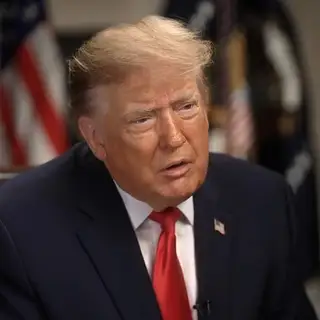
While Donald Trump’s presidency realigned the foreign-policy debate on the right, that realignment hasn’t fulfilled predictions of an isolationist renaissance. Trump did inject heterodox, anti-interventionist views into the mainstream of the conservative movement, but the lion’s share of his foreign-policy successes were crafted by hawkish officials from the very establishment he campaigned against — people who worked to counter the Chinese Communist Party, contain Iran, forge Middle-East peace deals, and deter Russian aggression.
In the wake of Trump’s defeat, a network of conservative foreign-policy experts have been free to mingle with those who chose not to associate with the former president’s administration, and a number of conservative institutions — the Foundation for Defense of Democracies and the Hudson Institute, to name two — bulked up with the addition of officials who recently served in the last administration. In these corners, the result has been somewhat of a restoration of a traditional Republican outlook in foreign affairs.

Comments
On “A Rift in the Conservative Foreign-Policy World”