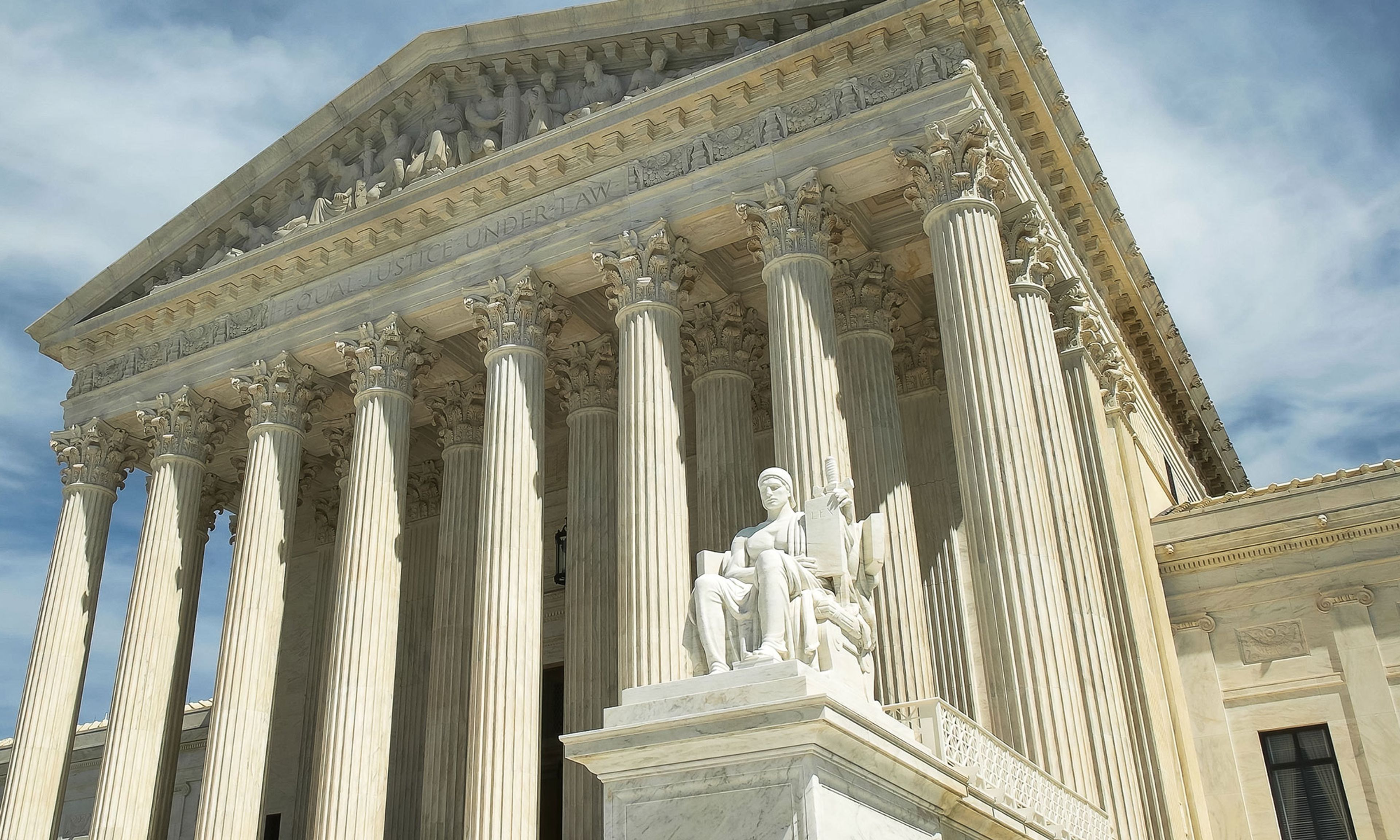
There are many thorny legal questions within modern American life, but, while it generates all manner of Sturm und Drang in the culture, the matter of affirmative action is not among them. When the Supreme Court next has the chance — as it will by the end of this year — it should end the practice proudly and without compunction. The purpose of the judiciary is to uphold the law as it is written, and the law as it is written forbids racial discrimination. In a system such as ours, that is the end of the story.
Progressives do not like to be told that they have spent the last 90 or so years lying about the Constitution and the law, but . . . well, progressives have spent the last 90 or so years lying about the Constitution and the law. Finally, those lies are coming back to bite them. At Slate, Mark Joseph Stern complains that if the Court nixes affirmative action, it will be instituting a “new policy” that “will not be enacted by elected representatives in Congress, or the president, or state legislatures,” but by “six justices of the Supreme Court—policymakers whom no one elected and no one can vote out.” But this is the usual sophistic poppycock. If the Court nixes affirmative action, it will be upholding a rather famous law, the Civil Rights Act of 1964, which was enacted by both “elected representatives in Congress” and “the president.” As Ramesh Ponnuru observed earlier this week, the Civil Rights Act holds that “no person in the United States shall, on the ground of race, color, or national origin . . . be subjected to discrimination under any program or activity receiving Federal financial assistance.” In other words, affirmative action is flatly illegal. If Stern does not like this, he must agitate for the repeal of the law, much as progressives in California have tried (unsuccessfully) to do with their own state’s non-discrimination statutes.





Comments