
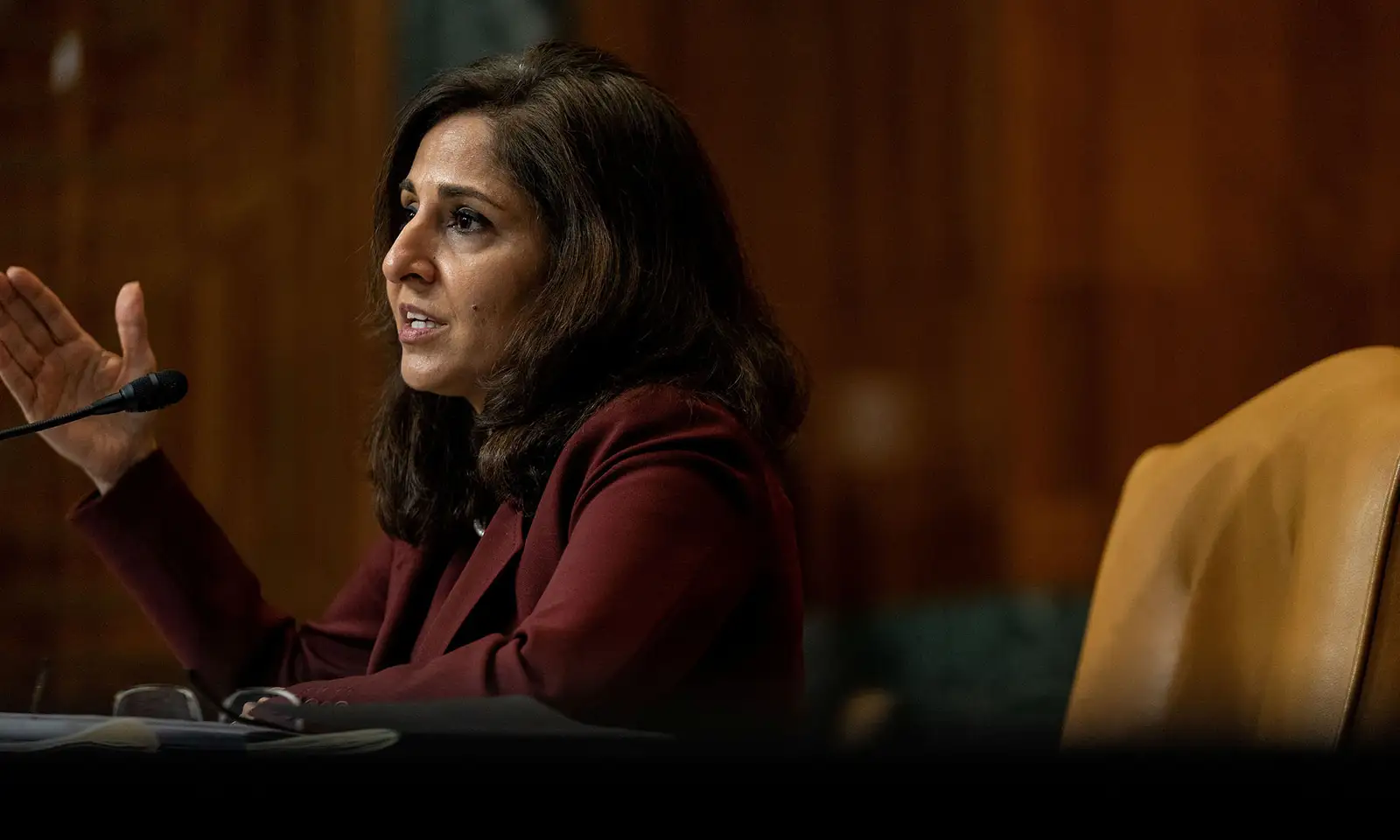
Generally speaking, the Senate should be willing to give the president the cabinet he wants. But that doesn’t mean that the Constitution’s assignment of a power to advise and consent on key appointments should be treated as a mere formality. Some presidential appointees are just bad choices that the Senate should reject, and deciding where to draw that line is a matter of judgment that should reach beyond simple partisan loyalties.
Senators have usually been pretty good about finding a reasonable balance on this front. Most cabinet nominations get confirmed, and many are confirmed with bipartisan support. That’s still true, even in these very partisan times. Seven of President Biden’s cabinet nominees have been confirmed so far (the secretaries of State, Defense, Treasury, Transportation, Homeland Security, and Veterans’ Affairs, and the Director of National Intelligence), and most by large bipartisan margins. The only close call was for Alejandro Mayorkas at DHS, who only got 56 votes. The next closest — Antony Blinken at State — wasn’t close at all, he got 78 votes. Everyone else got more than 80. Lloyd Austin at Defense got 93 Senate votes.


Comments
On “Biden’s First Cabinet Confirmation Snags”