
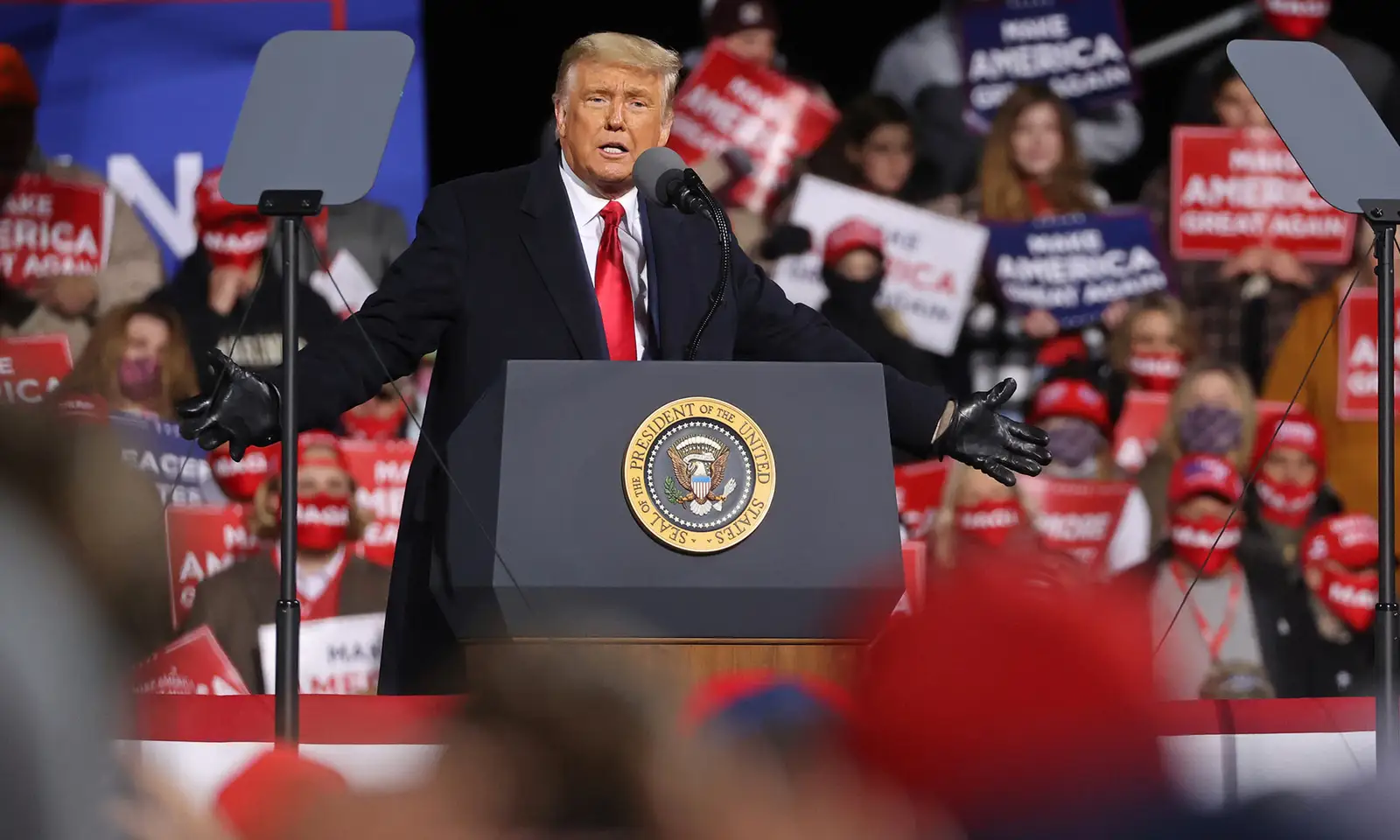
For many years now, an important segment of the Republican electorate has been increasingly frustrated with the elites who lead our core institutions. The political outlook of these voters has come to be defined by that frustration — a sense that people with power and privilege in American life routinely abuse that power and privilege for personal gain and ideological advantage, that they lie to the public, look down on everybody else’s ways of life, and actively threaten the religious and cultural foundations of American society. Calling out that elite corruption and fighting back against it has become for this growing group of voters the most important purpose of their political engagement, and so their first and foremost demand from people seeking their vote. These aren’t the only Republican voters, and their concerns aren’t all the party cares about, but they have become more and more important.
Their frustration is justified in many respects. Wealth and status in modern America are often distributed in accordance with a system that, among other examples of its obnoxious self-regard, calls itself a meritocracy. It admits people to elite institutions of higher education on the basis of dubious and increasingly manipulated measures of aptitude, then forms those people in accordance with a progressive worldview, and then empowers them in a host of elite institutions without also imposing on them respectable standards of responsibility or character. There are worse ways to make elites, of course, but this one has serious problems and perhaps above all it tends to create a leadership class implicitly hostile to the character and culture of the bulk of the larger society and blind to the weakness of its own claims to legitimacy. Combatting the causes, elements, and implications of this system of elite formation and corruption is an important and valuable cause, especially if it is done in the name of a reasonably well articulated ideal of the traditional American way of life. It can make for a plausible organizing principle for a political movement at home among the factions of the American Right.




Comments
On “Failures of Leadership in a Populist Age”