
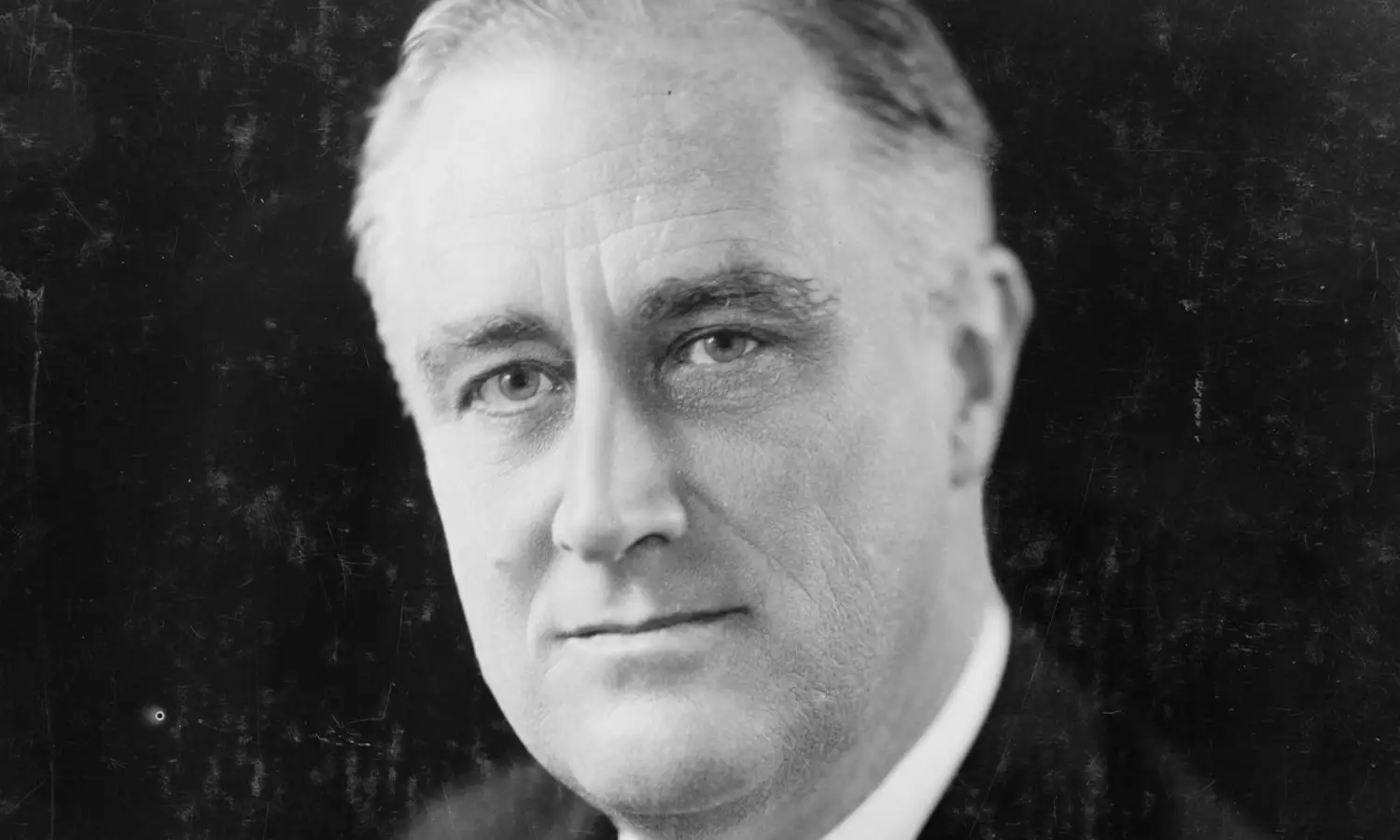
Charles Lipson makes the point that the failure of FDR’s court-packing plan to become law did not stop him from winning “the much bigger struggle to ratify his New Deal initiatives as constitutional.” He believes that the threat of Court-packing was crucial to this victory. That’s the subject of considerable scholarly debate; I’ve offered some reasons for skepticism.
Lipson’s account, though, reminded me of something else worth mentioning: The main way FDR won the war was by making appointment after appointment to the Supreme Court. Lipson laments Wickard v. Filburn, the 1942 decision upholding federal regulation of a farmer’s growing of wheat for his own farm animals. Of the eight justices who unanimously decided that case, FDR had appointed six. All six were appointed after the defeat of the Court-packing plan.
Lipson suggests that FDR had so many opportunities to make nominations because conservatives retired once his intimidation broke the back of the Court’s resistance to the New Deal. Maybe so — although it’s worth noting that three of the “four horsemen,” as the conservative bloc of justices were nicknamed, had died before Wickard.
But let’s bracket off the question of whether the Court-packing threat aided FDR’s judicial project. Even if it was a useful tactic, it wasn’t the main reason he won. When a party wins three presidential elections in a row and controls Congress by large margins, it’s going to have a good shot at reshaping the Supreme Court.
If Democrats achieve that kind of political dominance in this decade, they will win our era’s judicial wars, too. The failure of Court-packing in the 1930s should be at least somewhat reassuring to conservatives. So, even more, should be the lack of similarity between the 1932 and 2020 elections.





Comments
On “How FDR Won the War Over the Courts”