
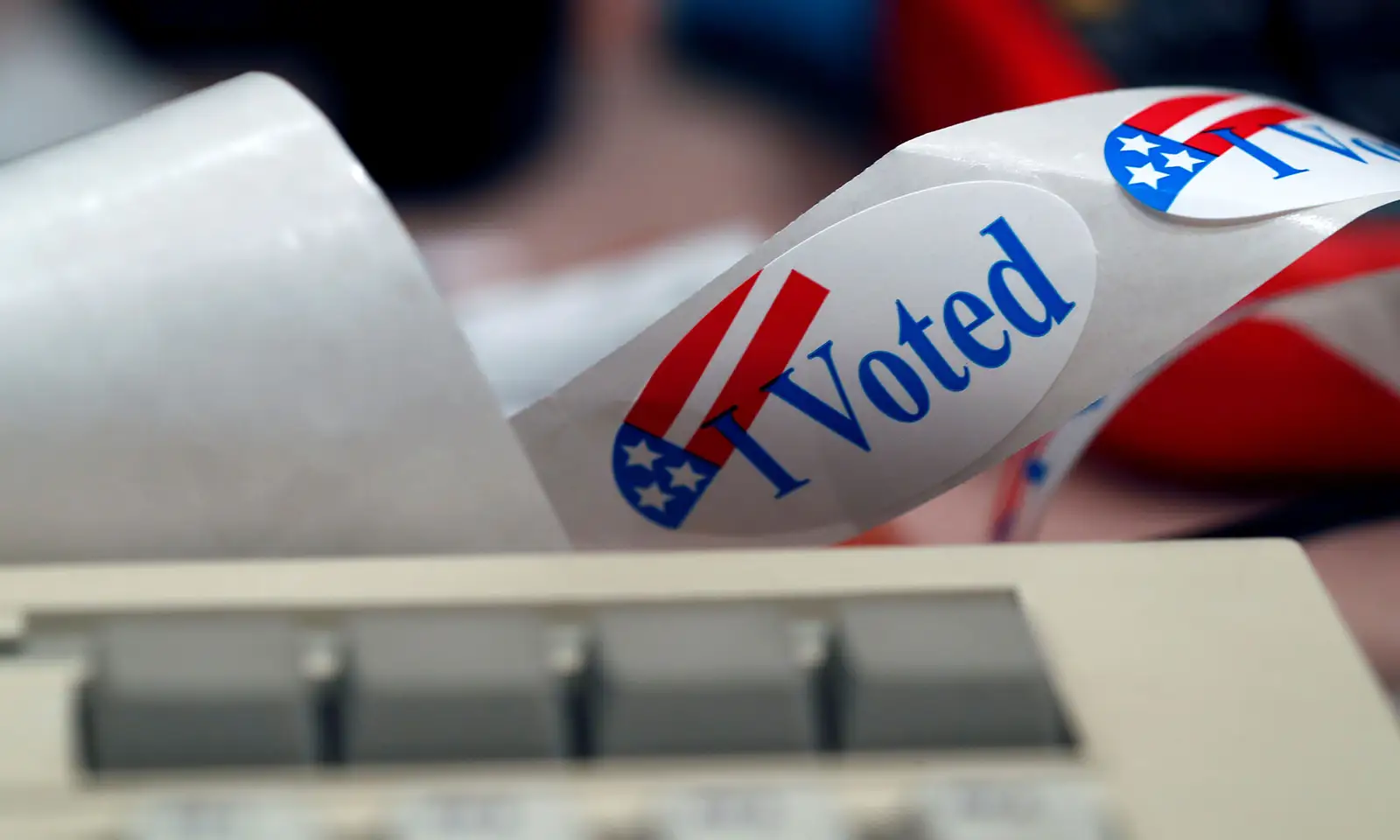
One of the popular conspiracy theories retailed by Sidney Powell, Lin Wood, Rudy Giuliani, and the Trump legal team is that Dominion Voting Systems voting machines rigged the 2020 election, perfecting techniques pioneered by Smartmatic in rigging elections for Hugo Chavez in Venezuela. There are some obvious, glaring flaws in this theory, starting with the fact that Dominion and Smartmatic are competitors, and Smartmatic had no involvement in this election outside of Los Angeles. Given that a reputation for honest election administration is central to their businesses, both companies are very properly considering defamation lawsuits against Team Trump, and possibly against right-wing media outlets that have uncritically repeated its claims. Ben Smith, the former Buzzfeed editor-in-chief and now the New York Times media reporter, looks at what that might mean to Fox News, Newsmax, and OAN.
In general terms — and the law can vary based on where you file suit — injured businesses as well as individuals can file defamation cases. Corporations are people for purposes of this area of the law, as in many others — both the companies who can sue to protect their reputations and the media companies who can defend their right to speak. This has been true for many years — see New York Times Company v. Sullivan — and long predates Citizens United. A huge amount of First Amendment law was made by corporations who own newspapers and broadcast outlets. Plaintiffs typically want to file suit fairly quickly, as statutes of limitations are often as little as one year (but may be a year from the last publication of the statement). Lawyers and litigants can be immune from defamation claims in many states for what they say in court filings (a whole different set of rules applies to false court filings), but even where that “litigation privilege” applies, it typically will not protect statements in press conferences or other statements made outside of formal pleadings. Likewise, a media outlet will typically be on safe ground reporting “so-and-so alleges in his lawsuit that . . .” but will not be safe for treating those allegations as fact or making its own assertions. So, a lot of people could be in hot water for amplifying falsehoods about Dominion and Smartmatic. As Smith notes, one of the key issues in such cases is whether the plaintiff corporation is a “public figure,” which under Sullivan makes it harder to prove the plaintiff’s case without showing that the defendants knew or did not care that they were telling lies. Presumably, some of the defendants will just claim that they relied on people they trusted — however unreasonably.

Comments
On “Smartmatic’s Election-Conspiracy Lawsuit and What the New York Times Left Out”