
American immigration law is famously schizophrenic, in ways that are unsatisfying to everyone. The laws themselves are written to be quite harsh but also insanely complex, with exceptions to rules and exceptions to those exceptions. Legal immigrants suffer unreasonable delays and red tape that make it harder to enter, harder to stay, and harder to plan their lives. Enforcement is sporadic, with many illegal aliens and people who illegally overstay their entry slipping through the cracks, or disappearing after they have been caught. For people who actually get caught and held in the legal system, the rules can be pitiless. The courts are sympathetic to immigrant appeals from bureaucratic decisions, but they are so overwhelmed with cases, and the rules are often so strictly written, that the overwhelming majority of cases that get into the system are won by the government. Once the wheels of enforcement are moving, however, the dynamics of delay are reversed from how they operate for legal immigrants: Immigrants who are trying to resist removal from the country have every incentive to drag things out. Litigants always have an influence on how long any proceeding lasts. But that incentive is reduced if they are locked up pending the final determination. More important, some people detained by the immigration authorities may be more likely than others to just vanish. So, the question of when to detain people while their cases proceed affects not only the lives of individual immigrants, but also how the system operates.
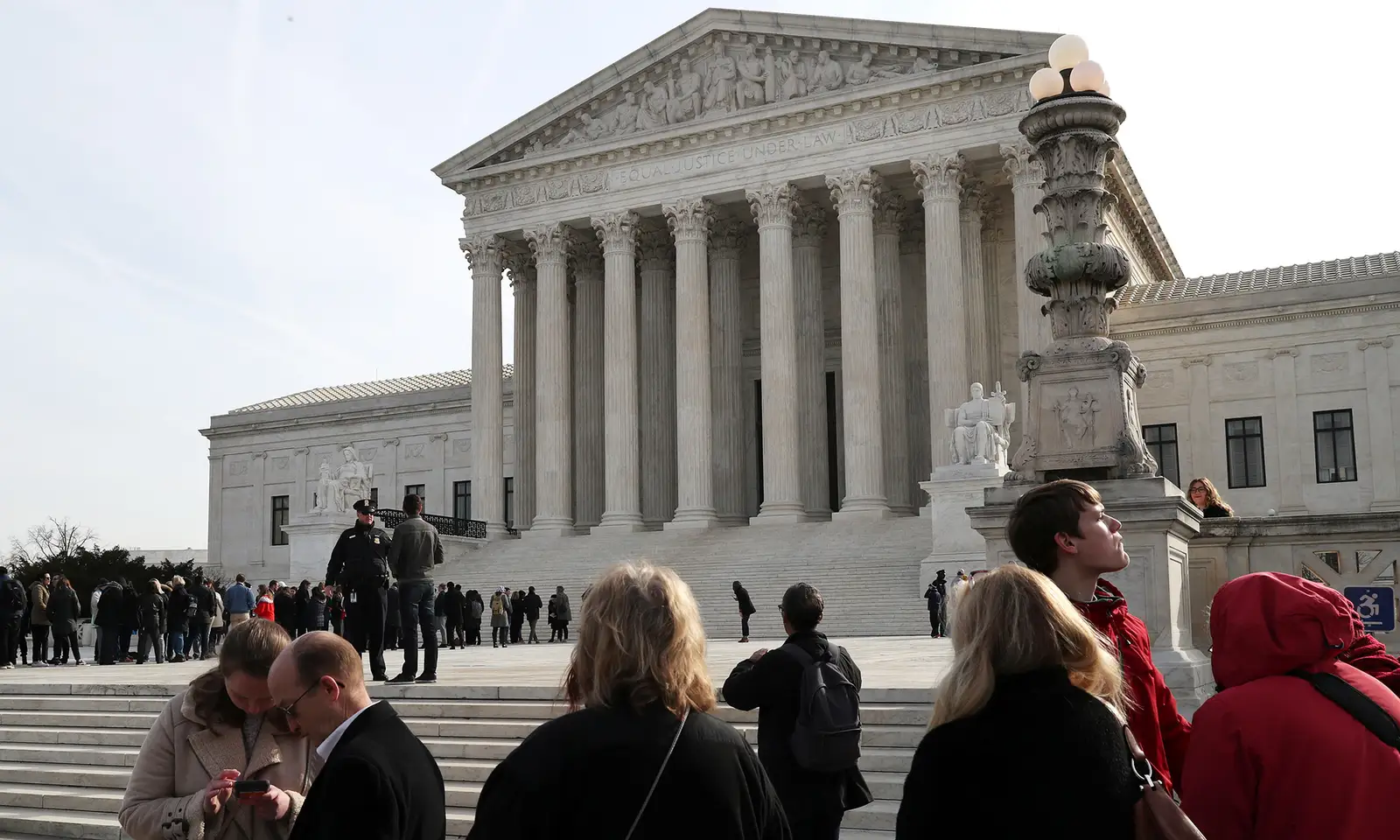
Today’s 6–3 Supreme Court decision in Johnson v. Guzman-Chavez involves a class of people who may have sympathetic humanitarian claims because they allege a reasonable fear of persecution upon being sent home. But they are also a uniquely unsympathetic class in the Whac-a-Mole game of enforcement: people who have already been deported once and re-entered the country illegally. A general statute, Section 1226, normally allows immigrants to apply to stay out on bond or parole while their cases are pending. But a different statute, Section 1231(a)(5), creates a much stricter rule for people who illegally re-entered the country:





Comments
On “Supreme Court Splits on Immigrant Flight Risk in Re-Deportation Cases”