
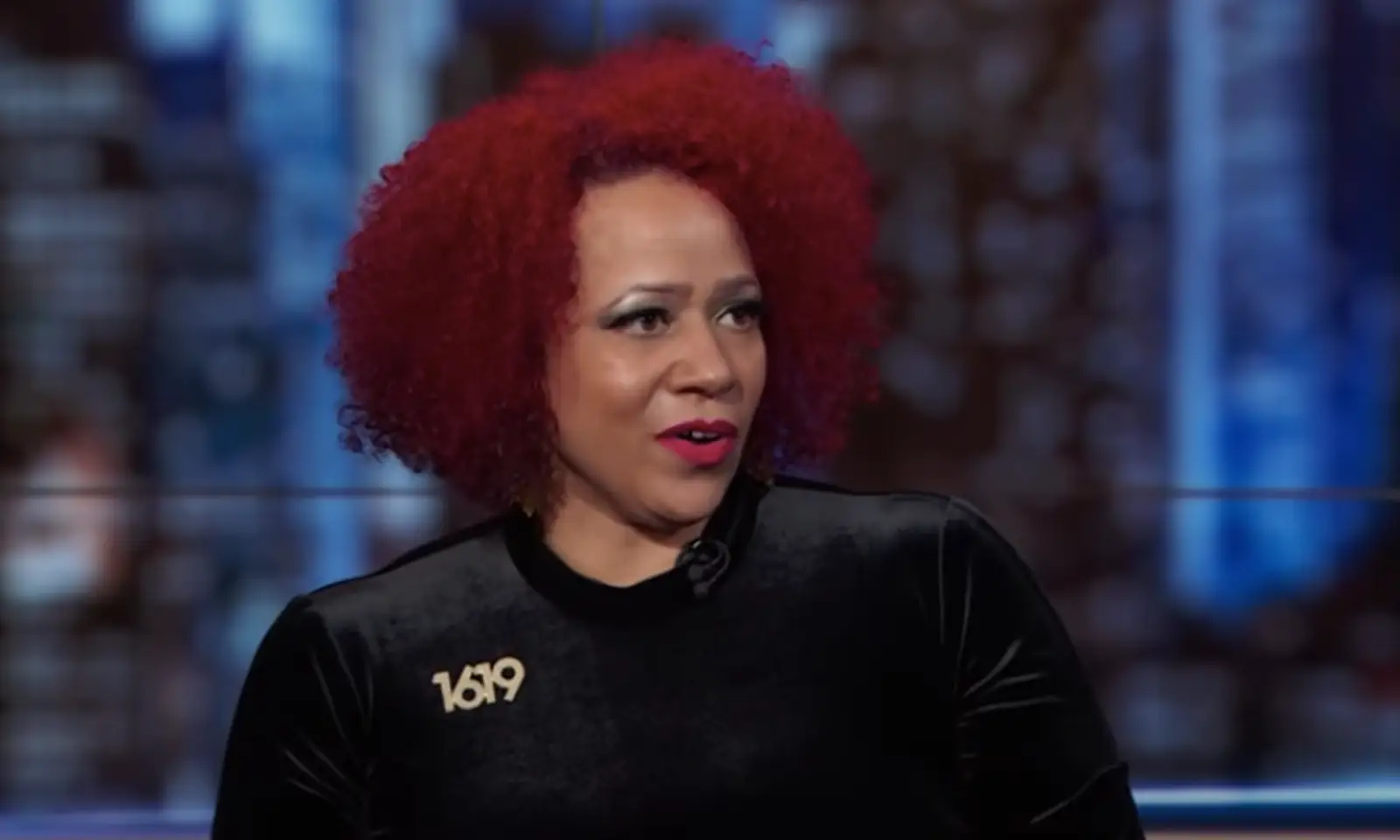
Republican legislators in several states have tried to keep 1619 Project materials out of the classroom. Bills to this effect have been denounced as “censorship” or “cancel culture”: see here, here, and here for example.
It might well be a bad idea for state legislators to get into the habit of micromanaging classroom instruction. But I think there are some complications that should keep us from leaping to any of the C words. The schools are creatures of the state governments, which have an interest in seeing to it that the schools they fund are providing accurate instruction. If high-school chemistry classes were teaching alchemy, the state legislature could reasonably step in. Fans of the 1619 Project would of course reject the comparison, but the point is that there’s nothing wrongly censorious or suppressive in principle with regulating school funding to affect classroom instruction.
Similarly, state governments may exercise their influence over school textbooks in unduly heavy-handed ways. But their having that influence would seem to be baked in the cake of having public schools in the first place.
Jonathan Rauch’s “cancel-culture checklist,” which I recently wrote about, is helpful here. He suggests that punitiveness is one of the hallmarks of the phenomenon. It’s not really present in these cases. The 1619 authors won’t be fired or shunned if their work isn’t incorporated into classroom instruction. That work will just have a bit less influence than they would like.
Some of these bills attempt to discourage college professors from using the 1619 materials, too, which seems harder to justify. But these bills don’t present as clear-cut a free-speech issue as, say, proposals to criminalize certain forms of speech would be.





Comments
On “Taking 1619 Out of the Schools”