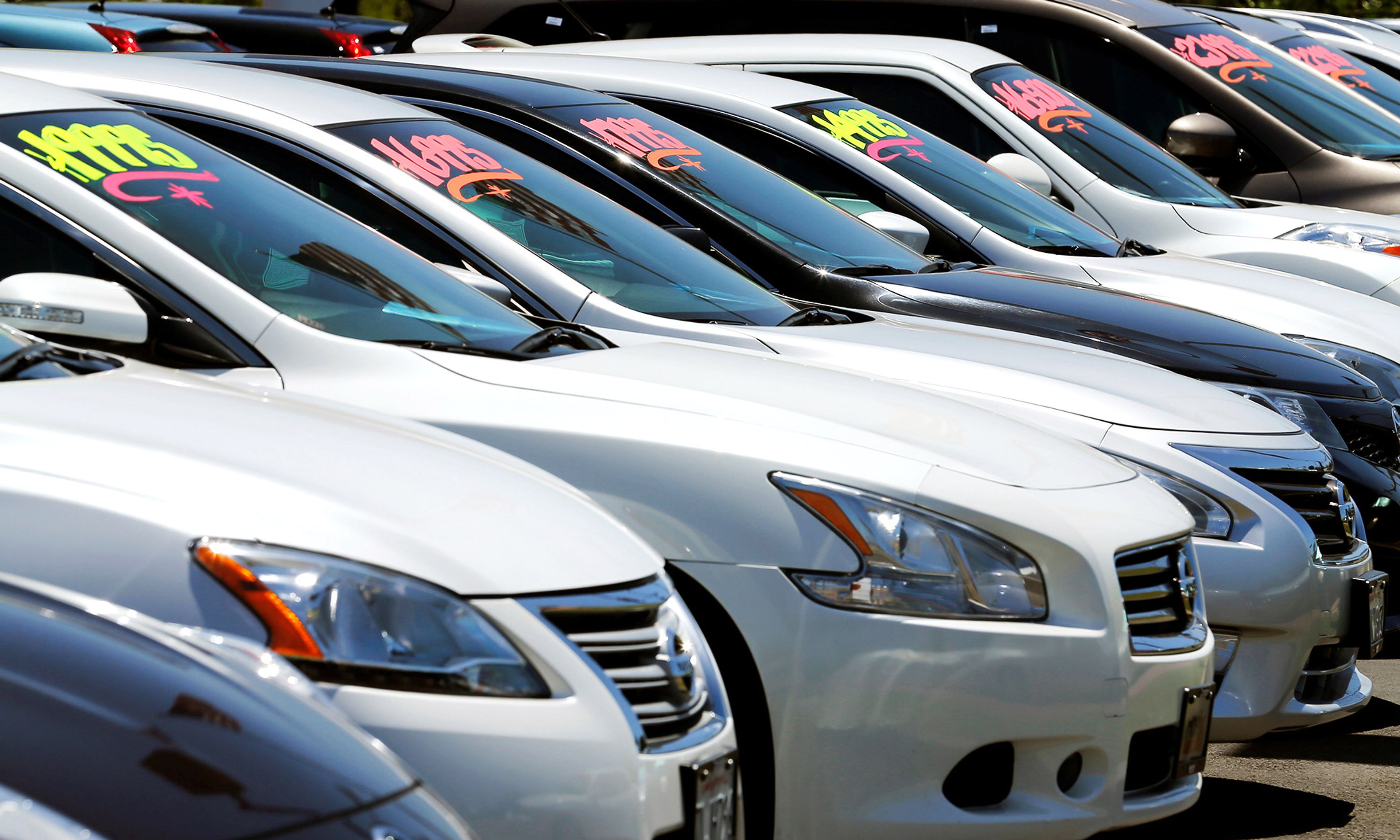
As the pandemic reared its ugly head, many Americans prepared to hunker down for the foreseeable future. They headed to grocery stores, pharmacies, and Amazon.com to grab the goods they thought they’d need to weather the uncertain months ahead. Cars were among those goods: As COVID fears peaked, consumers ditched ride-sharing and more bio-hazardous transportation options for personal passenger vehicles.
As with raw materials and durable items, car prices skyrocketed over the past year. The surge, while mostly attributed to short-term shocks, coincided with Congress’s massive relief-package deployments and the Federal Reserve’s record monetary injections. The uptick in car price indices reinvigorated the perennial debate over the merits and repercussions of austerity vs. perpetual government spending.
But while the skyrocketing car sticker prices sounded alarm bells, the industrial forces playing out behind the scenes have told a more transitory, rather than sustained, inflation story.
The automobile, the great modern luxury, lives in an economic ecosystem of multiple miniature markets. There’s a close relationship between the new car market and the used car market, which includes the retail and wholesale sub-categories. All three interact with and influence each other to determine pricing patterns. Retail tends to follow new, and wholesale tends to follow retail.
Under the “used” umbrella, wholesale saw the most dramatic price increases in the last year. Total used vehicle sales were up 3 percent year-over-year in May, and wholesale used vehicle prices (on a mix-, mileage-, and seasonally adjusted basis) increased 4.65 percent month-over-month in May, according to Manheim Used Vehicle Value data.
While the price increases seem foreboding, economists and other experts told National Review that the underlying causes suggest inflation will be a fleeting, rather than long-term, challenge.
It was a combination of unprecedented demand and supply bottlenecks that largely created the extreme imbalances driving higher prices in the used car market. Production chain stoppages and a tight inventory situation wrought by the pandemic led to a decline in the “car park,” or the total number of existing vehicles, Chief Economist Jonathan Smoke of the car dealer consultancy Cox Automotive told National Review.
Because factories shuttered, the country produced several million fewer vehicles, not including those lost to accidents and scrappage. Yet, there were simultaneously tons more people wanting tons more cars, yielding the price increases.
Ed O’Connor of O’Connor Automotive, a small used car dealer and repair shop in West Haven, Conn., said that the supply side has been nothing short of “insane.” Electronic computer chip delays have also prevented manufacturers from releasing finished cars, so cars are just sitting in the intermediate production stage. He noted that many lots that are normally overflowing with new cars are now out of stock. Dealers are scrambling to make lots look fuller than they actually are to keep business afloat.
Not only is there a car shortage: there’s a car part shortage all the way down the supply chain.
“Everything’s back-ordered for body repairs. I ordered a headlight for a car and it’s on national backorder. I ordered motorcycle side bags from a factory, and there’s still no release date,” O’Connor said.
“The supply chain is way behind because many plants shut down during the pandemic. And now nobody wants to go back to work because they’re getting just as much money sitting at home. It’s multi-factored but the supply is killing the used car prices,” O’Connor confirmed. “They’re astronomical.”
When asked whether he believes the supply gridlocks will resolve, O’Connor said, “I say the balloon’s got to pop.”
The demand side had its own extremes. Between Americans emerging from COVID, eager to return to regular business activity and unleash their accumulated savings, fiscal stimulus payments, tax-refund season, and interest rate easing, it was the perfect storm for a retail vehicle frenzy in Spring 2021. However, in May that demand started to slow, showing a return to a more normal pattern similar to that seen in 2019 during the same time frame.
However, this abnormal period of price increases, triggered by supply and demand disequilibrium, appears to be at an inflection point, Smoke said. Day to day price trends in the wholesale market have seemingly already reached their peak.
“We will no longer see price increases in the weeks going forward in the way we have for 21 consecutive weeks,” Smoke said. The retail market is likely to march to the same drum, as it usually lags behind the wholesale market by about four weeks, he stated.
As industries recuperate and the economy recovers, the automobile market is likely to rediscover its balance, Smoke prophesied. Demand will settle, and supply will moderate over the summer.
“Vehicle prices will start to become more predictable,” he said. “The vehicle market reinforces that what we’re seeing with inflation right now is indeed transitory because it’s related to bottlenecks but it’s also related to a unique period of time where we’ve had the most stimulated demand you could envision. Production bottlenecks will improve from a total supply perspective.”
Smoke surmised that while the used car market is unlikely to fuel uncharted inflation, there’s also unlikely to be any steep collapse or bubble pop in car prices. Cars will still end the year costing more than they ever have, but prices are likely to look healthier going forward.
As for brand new cars hot off the assembly line? Price increases in new cars may contribute to the appearance of inflation, but since consumers generally believe those new cars to be of higher quality than their used counterparts, they’re more willing to accept the increase.
In the new car market, there’s also been a pivot away from a large volume strategy favoring affordable sedans towards costlier SUVs and pick-up trucks. Then there’s the go-green drive.
New manufacturers have hopped onto electric vehicles, which are more expensive than their combustion engine counterparts and that will continue to be the case for the next three to five years until batteries achieve parity, Smoke said. Electrification is naturally driving new car prices up, independent of pandemic related events.
While certain anomalies, such as the COVID-inspired demand spike and the chip shortage, suggest rising car prices are not the harbinger of inflation that some claim, some macroeconomic observers maintain that broader trends are still cause for concern in the longer-term.
Tufts University economics professor Christopher McHugh argues that, while consumer price spikes in cars and other commodities may be temporary, skyrocketing U.S. debt — and the possibility that its holders will lose faith in Washington’s willingness to honor its obligations — suggest a longer term problem.
In the history of nations, if there’s a perception that a country is monetizing its debt, borrowing through its central bank, and may not pay it back, foreign countries may stop buying our debt, depreciating the dollar and potentially causing prolonged inflation, McHugh told National Review.






Comments