Scot Bertram is the co-host of the Political Beats podcast at National Review. He also serves as a lecturer in journalism and general manager of the student-run radio station at Hillsdale College.
Political Beats
Scot Bertram and Jeff Blehar ask guests from the world of politics about their musical passions.
Episode 23: John J. Miller / The Police
Scot and Jeff talk to John J. Miller about The Police.
Introducing the Band
Your hosts Scot Bertram (@ScotBertram) and Jeff Blehar (@EsotericCD) with guest John J. Miller, director of the Dow Journalism Program at Hillsdale College and national correspondent for National Review. His latest book is “Reading Around: Journalism on Authors, Artists, and Ideas.” Follow John on Twitter at @heymiller, buy his book here, and read his work here.
John’s Musical Pick: The Police
The gang shows up with peroxide dye jobs this week as they tackle one of the most successful acts of the entire postpunk era, The Police. Where to begin with a band universally agreed upon as one of the all-time greats? Well Jeff, for one, isn’t quite sure they belong in the pantheon; while he praises the impressive musicianship of Sting (bass, vocals), Stewart Copeland (drums) and especially Andy Summers (guitar), he argues that most of their albums are extremely hit-and-miss, with classics sitting alongside utter trash. John isn’t having any of this, however, and pronounces them one of the greatest bands of all time.
Faux-punks: Outlandos D’Amour
What every member of the gang agrees on is the greatness of The Police’s debut album, Outlandos D’Amour (1978). This is The Police masquerading as punks, despite the fact that their musical skills and individual pedigrees made it clear that they were far more suited to more complex material. Jeff notes that they really got into reggae (which became their early signature) because they wanted something more interesting than three-chord punk rock to play. But there nobody can say a seriously bad word against this album, even though Scot doesn’t care for “Born In The ’50s” and yes, there is always the song about the blow-up doll to reckon with. Otherwise, from “Next To You” all the way to “Masoko Tanga,” the sheer energy of Outlandos overwhelms all other considerations. “Roxanne,” “So Lonely,” “Can’t Stand Losing You,” “Truth Hits Everybody” – you know these songs and love them for a reason.
White Reggae: Reggatta De Blanc and Zenyatta Mondatta
With their combination of tricky guitarwork, complex polyrhythms, and reggae style, The Police had found an approach that was singular enough to call their own, and they leaned into it hard with Reggatta De Blanc (1979) — the title is a portmanteau that literally means “white reggae.” John thinks this is either their best album or close, while Scot identifies “Message In A Bottle” as the quintessential Police song. Meanwhile, Jeff is on the opposite side, labelling it as one of their worst albums, stuffed with faceless and unprepossessing material. Outside of “Message In A Bottle” and “Bring On The Night,” there is very little agreement between Scot and John and Jeff about the merits of these songs: Jeff and Scot both rate “Walking On The Moon” as one of The Police’s least deserving hits (“there’s barely a song there at all” — Scot) while John claims it as one of his favorites. What they all agree on is that Stewart Copeland is more than a mere drummer – his contributions to Reggatta are among the album’s highlights, particularly the spacey “Contact.”
Then it’s Jeff’s turn in the barrel as he goes to bat for Zenyatta Mondatta (1980) as one of The Police’s greatest records while John and Scot disagree. They find much of the music on this one to be forced and generic, whereas Jeff considers it the fullest expression of the great Robert Fripp-like sound that Andy Summers brought to the band with his guitarwork. “De Do Do Do, De Da Da Da” may occasionally be mocked for its title, but Jeff hails it as a postpunk marvel, with “When The World Is Running Down” and “Driven To Tears” not far behind. Scot salutes the peppy ska of “Canary In A Coalmine” while otherwise downing on what he perceives as the increasing ponderousness of Sting’s socially aware lyrics.
Bring on the Horns: Ghost In The Machine
Disagreement reigns again as John’s favorite album, 1981’s Ghost In The Machine, is Jeff’s least by far. They all agree that “Every Little Thing She Does Is Magic” is a masterpiece (Jeff rates it as The Police’s single finest song) and that “Omegaman” is the best thing Andy Summers ever wrote, but from that point onward Jeff departs from the the gang by rating the horn-soaked middle 20 minutes of Ghost as among the most gormless and charmless music of the band’s entire career, pure filler. John couldn’t disagree more, citing to “Invisible Sun” and “Spirits In The Material World” as well as the funk workouts of “Demolition Man” and “Rehumanize Yourself” as peak Police. What all agree upon is that Ghost marks a fundamental shift in the band’s sound, away from the pure ‘trio’ presentation of the first three records toward a more “produced” sound.
Ending on Top: Synchronicity
Synchronicity is an album that needs little introduction, seeing as how most of the United States bought a copy of it during the years 1983-1985. Everpresent though The Police may have been in the middle reaches of the pop charts prior to this, nothing before or afterwards approached the era-defining dominance of “Every Breath You Take,” Sting’s ode to creepy obsession that features (in Jeff’s words) Andy Summers playing like a “postpunk Steve Cropper.” The rap on Synchronicity (aside from the pretensions of Sting’s lyrical conceits) is that the album as a whole fails to live up to the quality of its famous hit singles — “Every Breath,” “Wrapped Around Your Finger,” and “King Of Pain” — but John and Scot both love this record and even Jeff grudgingly admit that its less famous songs (like “Tea In The Sahara” and “Walking In Your Footsteps”) have grown on him over time. The gang agrees, however, that “Mother” is an abomination and “O My God” is undistinguished mush. They do single out “Synchronicity II” for special praise despite (and maybe even because of) the fact that it incorporates The Loch Ness Monster into the core of the song’s meaning.
The gang wraps up by discussing The Police’s ill-fated 1986 remake of “Don’t Stand So Close To Me” and Sting’s less-than-impressive solo career. While each of them can identify songs from Sting’s post-Police days that they enjoy, they agree that by and large it lacks the urgency or importance of his work with Copeland and Summers (Jeff identifies one exception, the immensely moving “All This Time”).
Finale
John, Scot, and Jeff each name their two key albums and five key songs by The Police.
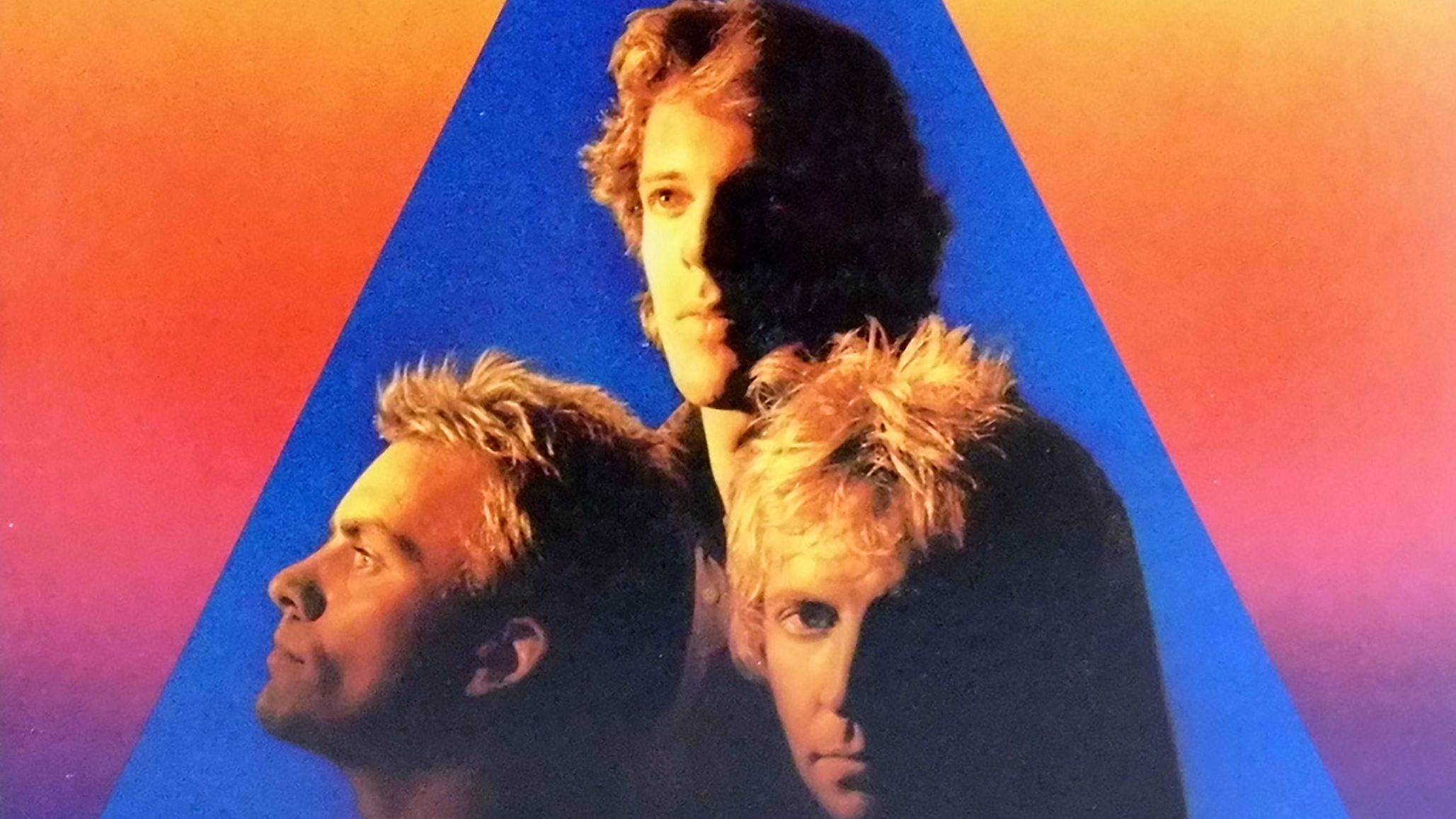
Pictured: The Zenyatta Mondatta album cover (Image via Flickr).
You can subscribe to Political Beats on iTunes, Google Play, Stitcher, and TuneIn. You can also download this episode here.
Jeffrey Blehar is a National Review staff writer living in Chicago. He is also the co-host of National Review’s Political Beats podcast, which explores the great music of the modern era with guests from the political world happy to find something non-political to talk about.
Comments
On “Episode 23: John J. Miller / The Police”