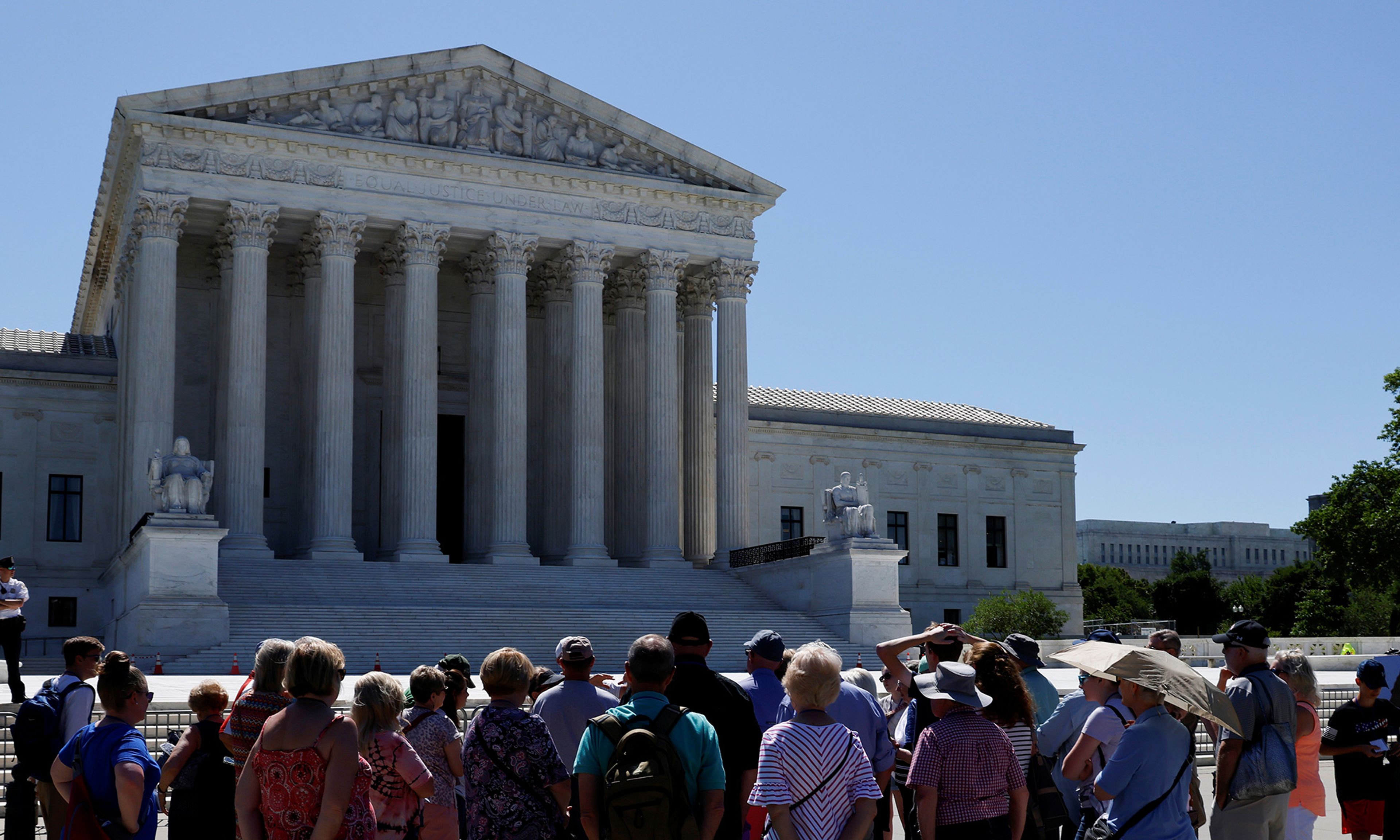
The U.S. Supreme Court broke the logjam of big cases this morning, and the best news was a unanimous ruling in Fulton v. City of Philadelphia in favor of the religious liberty of Catholic Social Services (CSS) in the face of a discriminatory effort by the Philadelphia city council to ban CSS from the city’s foster-care system because it would not place children with same-sex or unmarried couples. Not only is this a victory for the free exercise of religion in the face of an implacably hostile government, but it also signals that the Court may soon be ready to shift its jurisprudence considerably further in favor of claims of religious liberty.
While all nine justices voted in favor of CSS, the Court’s four separate opinions reveal divisions on the future course of its religious-liberty jurisprudence. Because the case was argued under the First Amendment rather than the federal or state Religious Freedom Restoration Acts, CSS could not simply argue that it qualified for a religious accommodation under those laws. The Court’s 1990 decision in Employment Division v. Smith — written by Justice Antonin Scalia — applies a more stringent standard for religious-liberty claims, which led to the passage of the RFRA back in 1993. Smith bars religious groups from claiming a violation of their right to free exercise of religion if the law applies generally and falls equally on the religious and nonreligious alike.





Comments