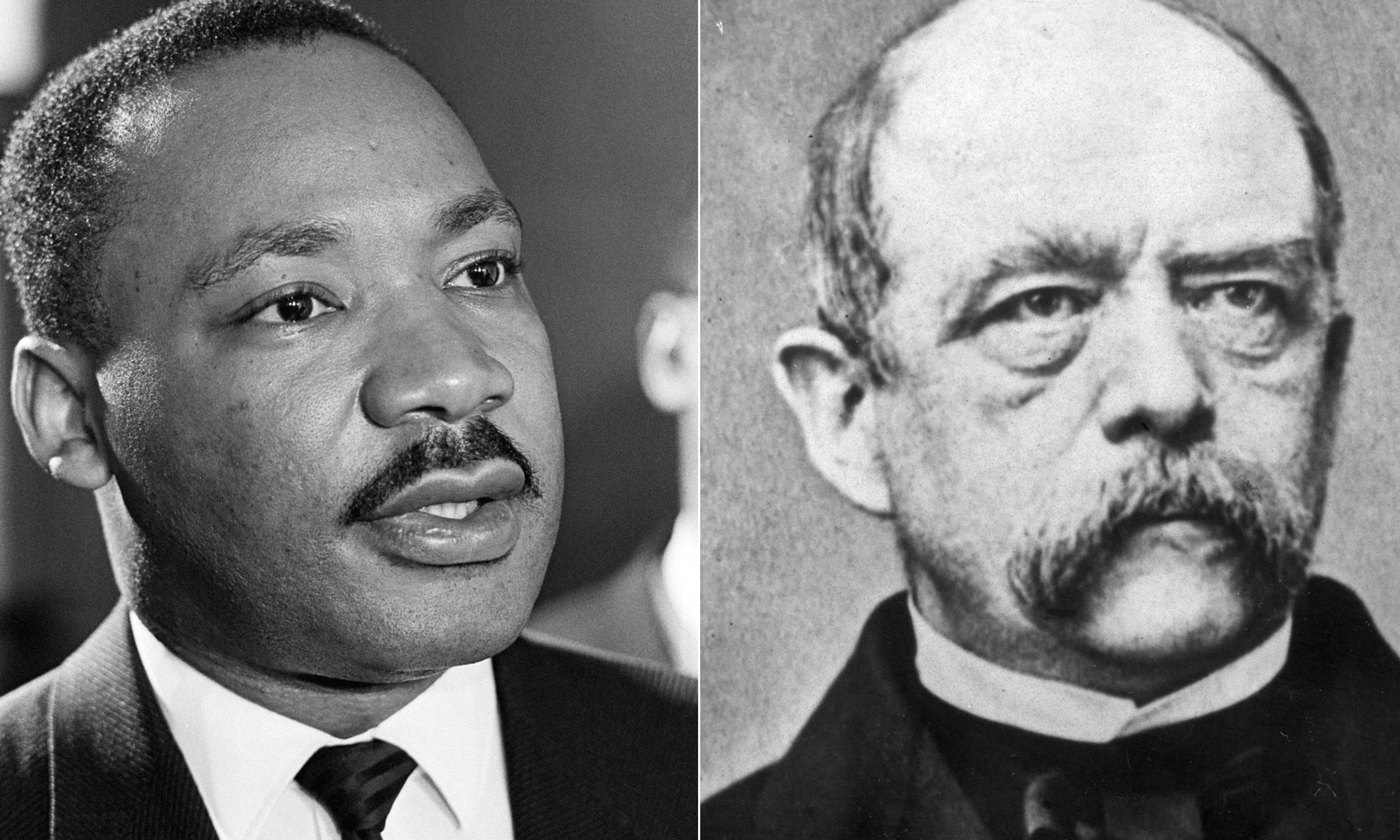
National holidays occasion our reflecting on what our nation values and what it chooses to honor. The Reverend Dr. Martin Luther King Jr. is an unusual figure to have his own national holiday. He never held political office. He died before his 40th birthday. As a black man, he was a member of a minority group much despised and oppressed during his time; as a Christian minister, he was ordained into a vocation out of fashion in our own.
Reverend King had important and lasting political victories, yet for most of his public life he was at odds with government. He was jailed by state governments and placed under police surveillance by the FBI. He was a critic of the Vietnam War while it was still broadly popular and was being prosecuted by the same Democratic administration that had signed the Civil Rights Act and Voting Rights Act.





Comments