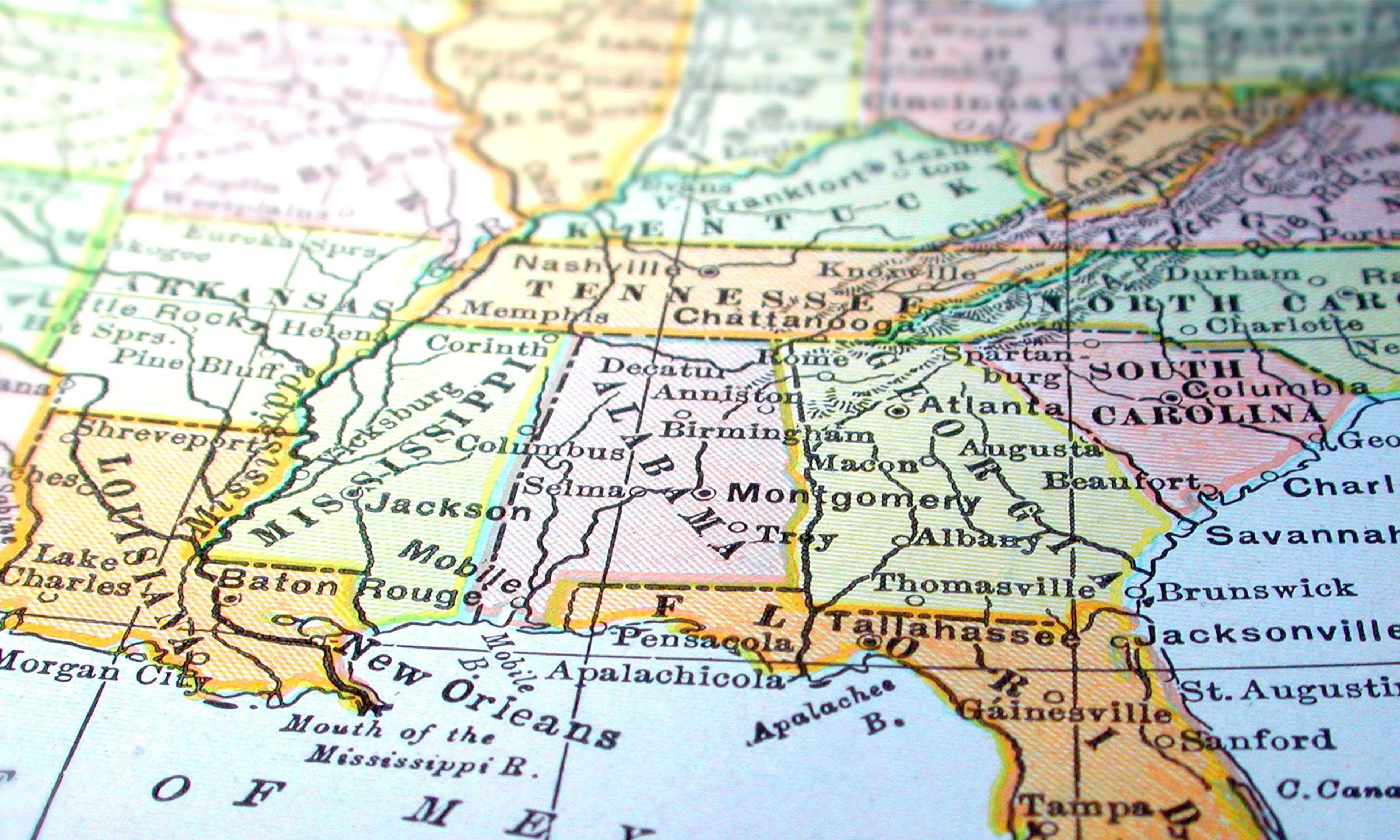
‘Every part of the United States has its own accent,” writes Edward McClelland in his short and highly entertaining and informative (I dare not say “interesting”) 2016 book How to Speak Midwestern. But for how long might that be the case?
Some in the Midwest wouldn’t accept that statement in the first place. “An important element of Midwestern identity is believing you don’t have an accent,” McClelland writes. Guilty as charged. As an Ohio native, I have long believed that the primary distinguishing aspect of the way I talk is its lack of distinction. For many of my fellow Midwesterners (and yes, Ohio is Midwestern), this simply isn’t true. They may think they have assimilated to the bland, neutral dialect popularized for broadcasters by Ohio philologist John S. Kenyon. But, as McClellan explains, the Midwest has not only its own accent, but three distinct ones: “Inland North” (Buffalo to Milwaukee, the “lower Great Lakes”), “Midland” (western Pennsylvania to Iowa), and “North Central” (the Midwest’s far northern reaches — i.e., “Doncha know” country). Midwesterners in good standing can typically lump themselves into one of these categories.





Comments