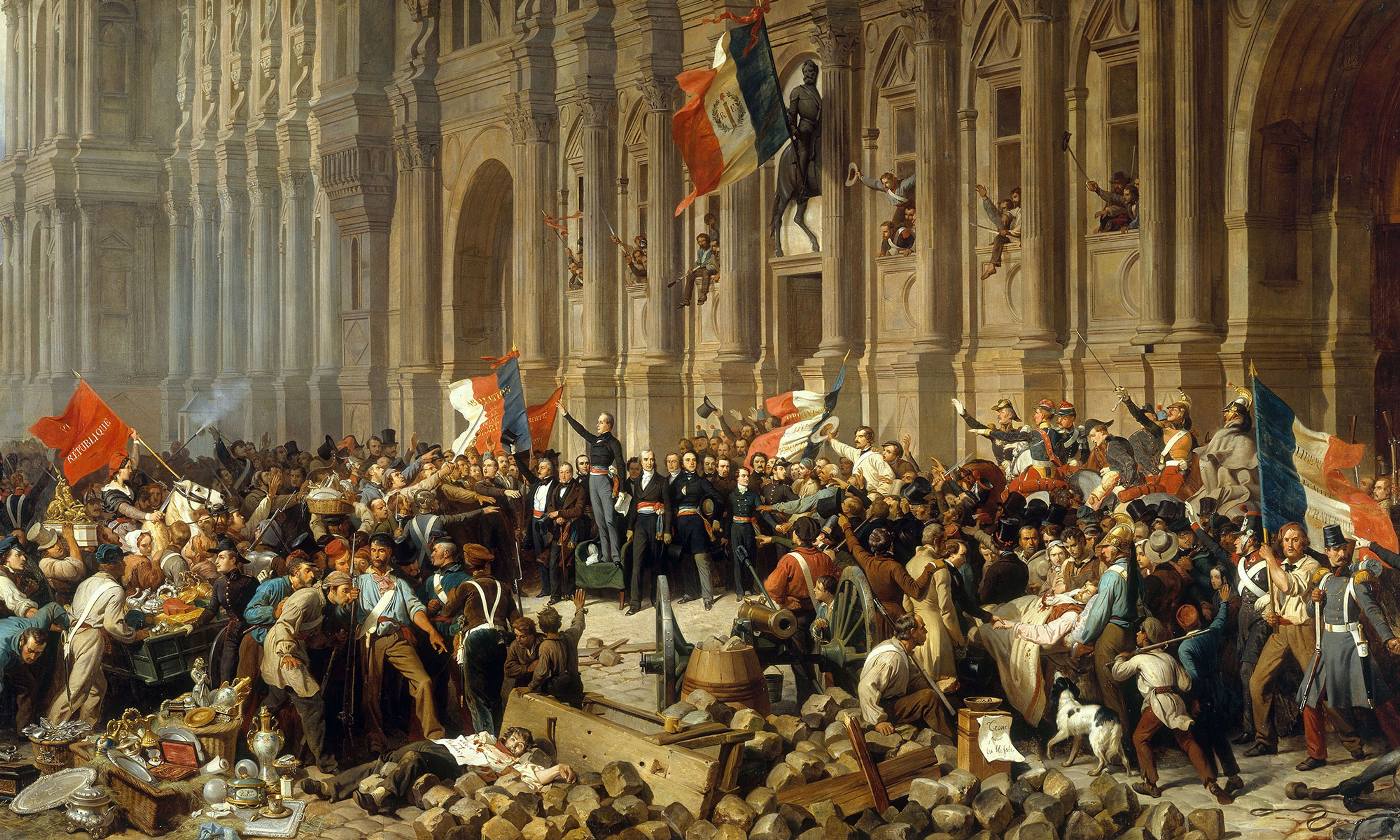
In part one of this essay on Alexis de Tocqueville’s Recollections, I looked at his account of the fall of the July Monarchy of King Louis Philippe in February 1848. Today’s installment examines Tocqueville’s analysis of the revolutionary chaos that followed.
Tocqueville was a classical liberal, passionate about liberty and constitutional government, which he valued more than democracy itself. As he wrote in 1850, “I belong to no party. I have no cause other than that of freedom and human dignity.” He was also fundamentally conservative, respectful of order and tradition, skeptical of mobs and radical change, and implacably hostile to emerging notions of socialism and communism. Outside of the American Founders, whose contributions may best be considered collectively, only Edmund Burke rivals Tocqueville as an intellectual forefather of the fusion of conservatism with Enlightenment classical liberalism.





Comments