In September and October of 1944, 28,000 brave American marines and Army infantry ventured into what became known as the “forgotten corner of hell.” Initially, U.S. Marine Corps major general William Rupertus predicted that it would take less than a week to capture the South Pacific island of Peleliu, but in the end it took 74 days to achieve victory against the island’s Japanese occupiers. A combination of stiff Japanese resistance and poor American planning resulted in “the toughest battle of the Pacific war,” according to Lieutenant General Roy Geiger.
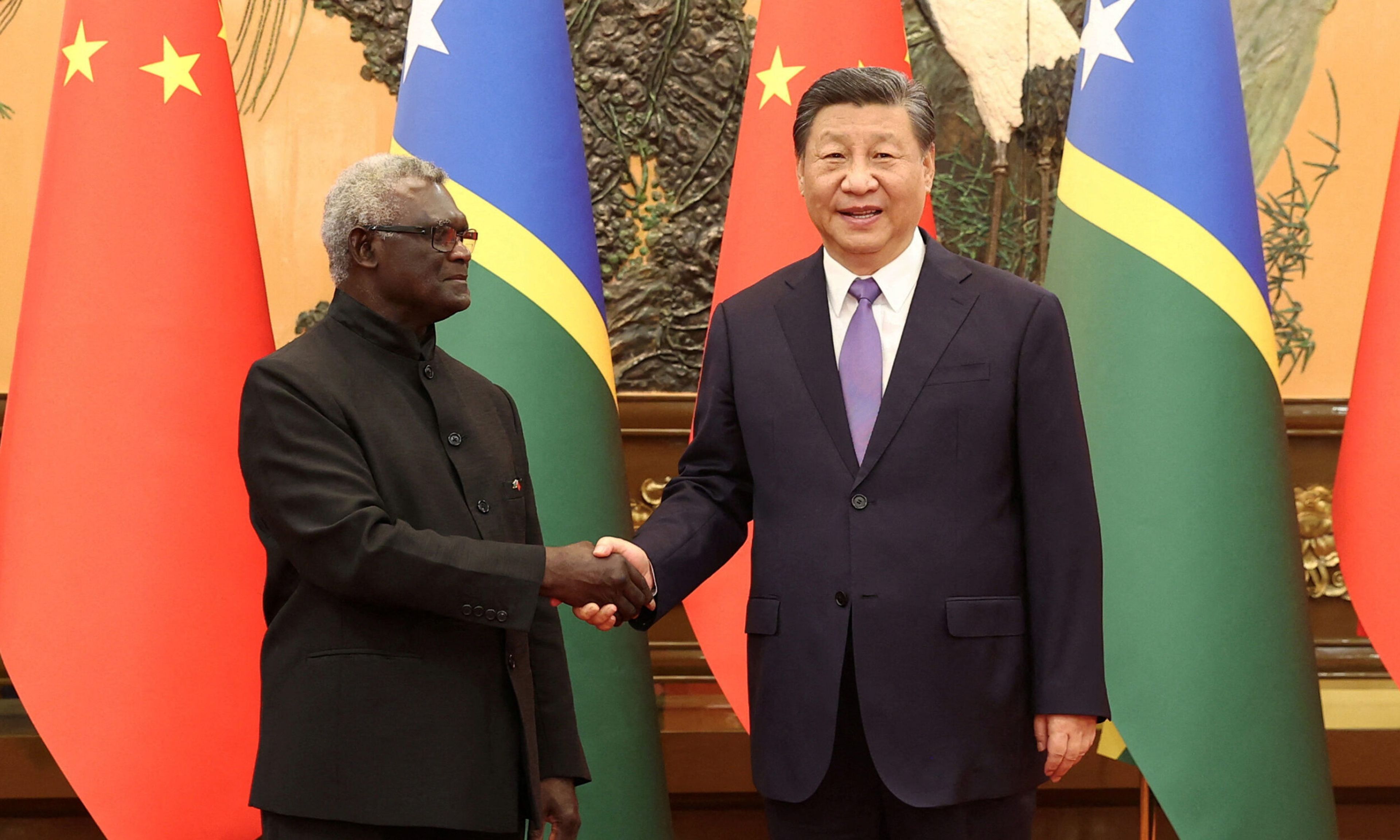
Today, 80 years after the Battle of Peleliu, the Pacific Islands are once again becoming vital to American national security in the face of China’s malign advances throughout the Pacific. Already, the U.S. has significantly “reengaged” with the region, but to date it still lacks a long-term strategy for advancing its national interests there. This is a mistake. To safeguard the U.S. and counter China’s advances, Washington must develop and implement a Pacific Islands strategy that guides policy-makers’ decision-making and resource allocations for years to come.



Comments