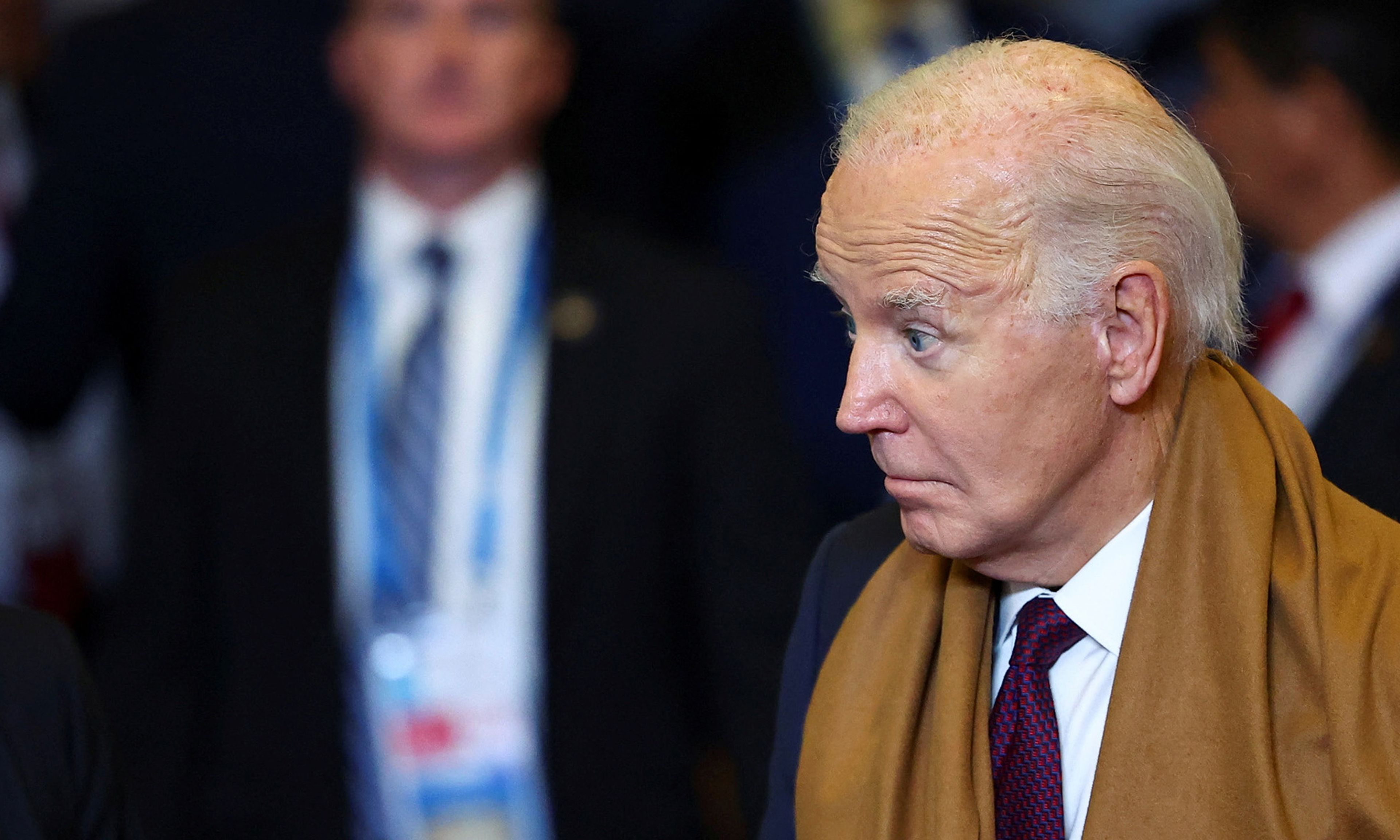
America is currently obsessed with the potential staffing and policies of the incoming second Trump administration, as well as litigating the causes behind his historic election victory. Most of the media, both traditional and social, is fully focused on these domestic concerns. These are, of course, important questions for the future of American politics. But the rest of the world isn’t nearly as interested in those debates. And geopolitics doesn’t stop during the lame duck to allow us to myopically concentrate on these purely internal affairs.
Normally, the period between the November presidential election and the January inauguration is fairly quiet for America on the international stage. The outgoing president often tries to avoid making major foreign policy alterations during the transition period. Of course, there are always exceptions. Notably, the outgoing Obama administration sought to cement its strategy of realignment in the Middle East by bolstering the JCPOA nuclear deal and undermining Israel at the United Nations. We have already seen the beginnings of such an approach under Biden, with the White House quietly waiving sanctions on the Palestinian Authority, considering imposing sanctions on Israeli military units and politicians, and surging military aid to Ukraine. For the most part, foreign actors follow the same anodyne playbook as they are trying to tease out the new president’s potential policies and personnel choices. Many keep their heads down after congratulating the president-elect, seeking to get on his good side for the next four years.




Comments