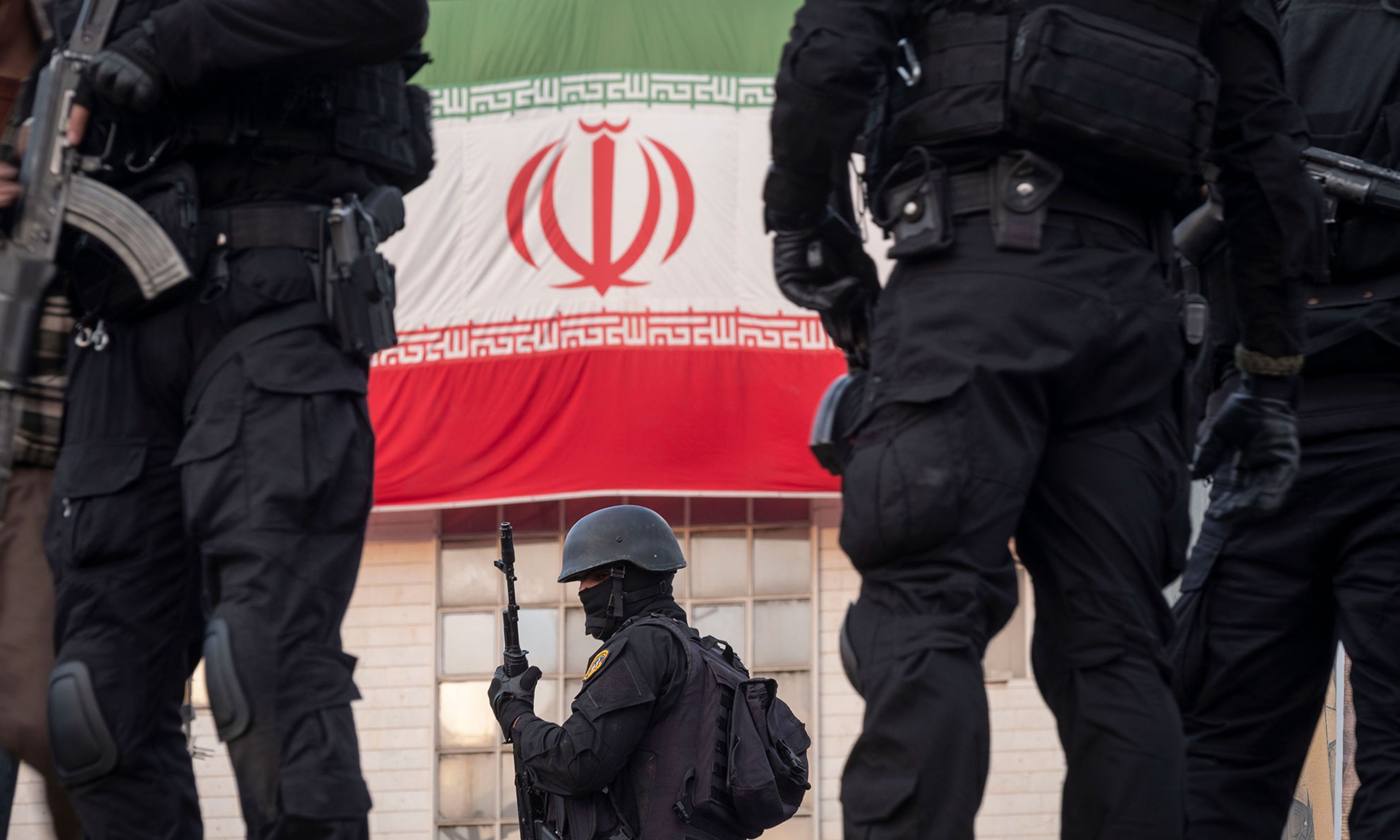
As the United States and Israel began bombing Iran as part of Operation Epic Fury on Saturday, President Trump laid out an ambitious vision. In a phone interview with the Washington Post, he said, “All I want is freedom for the people,” underscoring that the ultimate aim is not merely deterrence or retaliation, but a political transformation in Tehran. He has spoken in terms that leave little doubt: The desired end state is a change of regime — one that produces a democratic government guaranteeing liberty to the Iranian people.
That is an extraordinarily high bar for a military operation. History offers no clear precedent of air strikes alone ushering in a stable democracy in a deeply entrenched authoritarian state. When force has toppled regimes, the aftermath has more often yielded disorder, civil conflict, or a new form of authoritarian rule. In Iran’s case, the structural conditions make democracy perhaps the least likely outcome of a bombing campaign. The death of its supreme leader, Ali Khamenei, alone will not simply dissolve the Islamic Republic, a layered system with clerical authority, parallel security institutions, and a deeply embedded Revolutionary Guard — though strikes on dozens of other senior figures certainly help toward that end.





Comments