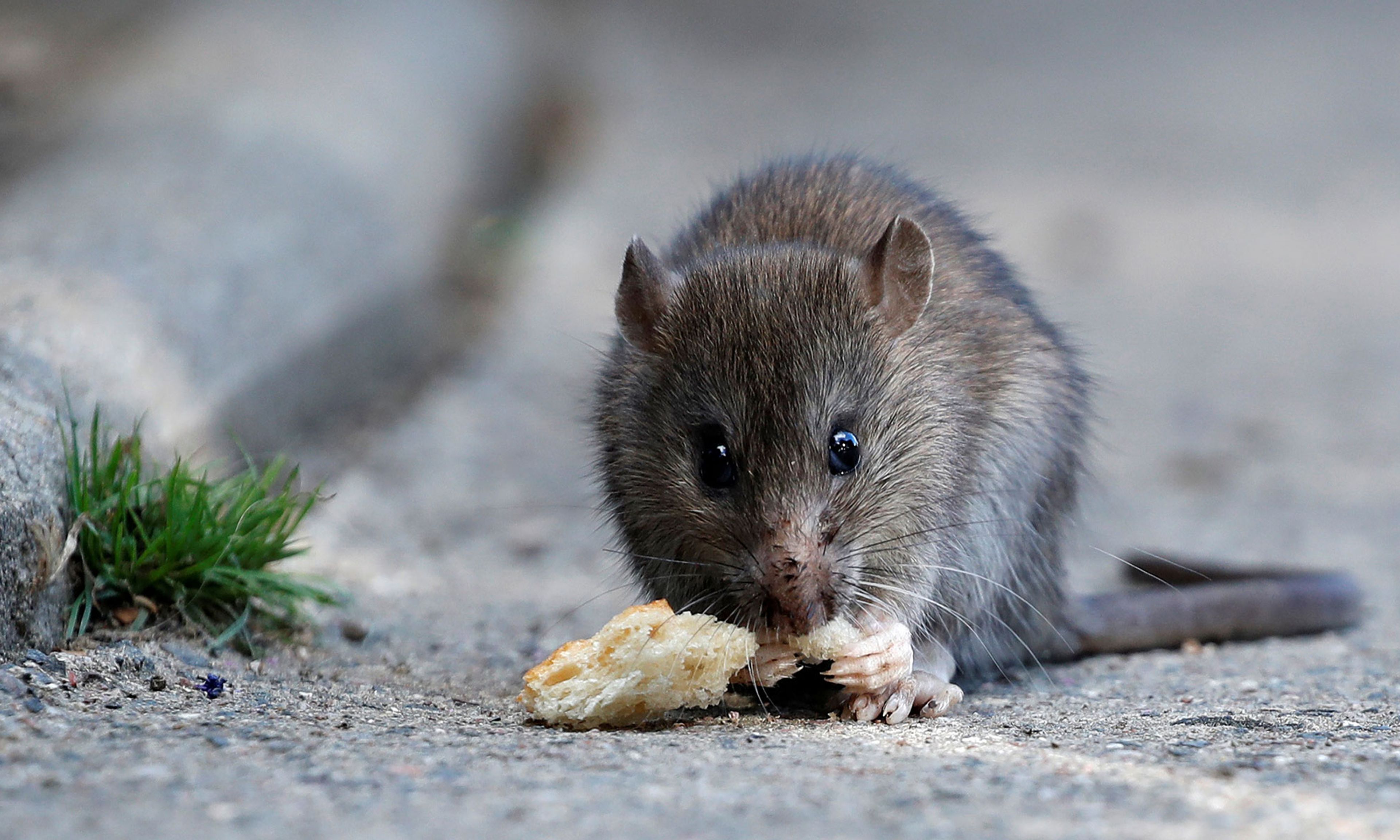
Walk down most city streets, through an alley behind a restaurant, or along the perimeter of a farm, and you’ll likely come across a small black plastic box that contains rodent poison. Rodents can spread disease, damage buildings, and ravage crops, so controlling the population of mice and rats is an urgent public-policy priority. But those little black boxes have become a battleground in a quiet war, as a well-organized set of activists gain ground in a coast-to-coast pressure campaign to ban the most popular form of rodent poison. The war on rodenticide indicates a deeper conflict over quality-of-life policies — and it reveals how the imperatives of the activist class can be in tension with the interests of working families.
Far and away, the most popular kind of rodent poison in use in the United States is what’s called a second-generation anticoagulant rodenticide (SGAR). These poisons interrupt the vitamin K cycle in the rodent that eats them so that, over a matter of days, the affected animal can eventually die of internal bleeding. SGARs are both effective and commonly used: A report authored by researchers at Harvard Law School estimated that 96 percent of the poison used by pest-control professionals in Massachusetts in 2022 were SGARs. However, the prevalence of SGARs has also caused some animal and environmental activists to target them because of the risk of secondary poisoning when a predator (such as a hawk or a bobcat) eats an animal poisoned by an SGAR. Relative to the weights of most predators, the anticoagulant dosage from eating a single poisoned mouse is not lethal. However, that exposure can accumulate over time, and that long-term exposure can sometimes impair the health of an animal. High-profile examples — such as the recent death of Fae the bald eagle in Arlington, Mass. — have powered a concentrated push to get states and municipalities to restrict the use of SGARs, if not ban them outright.




Comments