Giving Howard Lutnick His Due: China Is a Hard Problem

Why was Xi blocking the exported chips the Trump administration was willing to give him?

Share this story

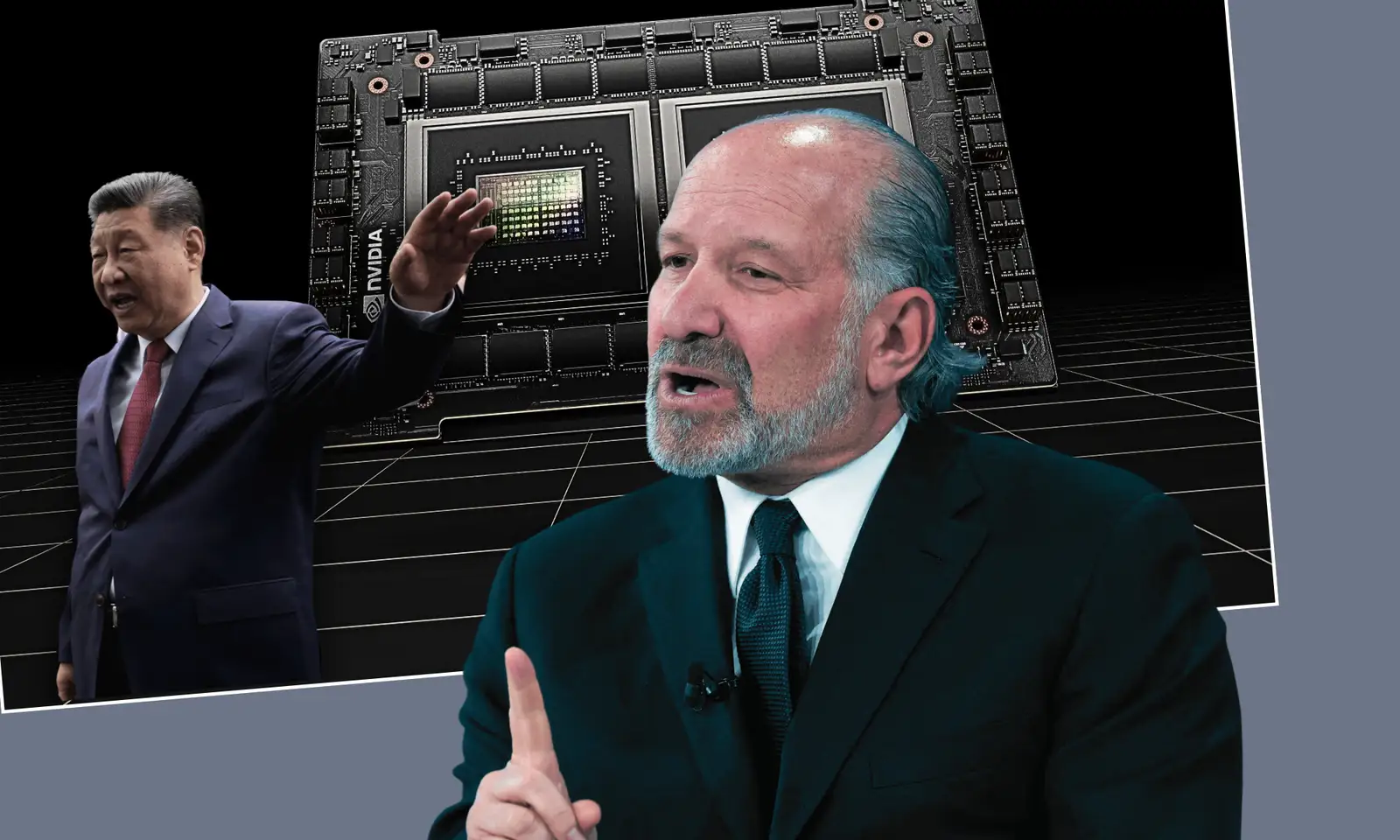
Commerce Secretary Howard Lutnick, Chinese President Xi Jinping, and an Nvidia AI chip

NR Illustration: Fabrice Coffrini/AFP via Getty Images; Evan Vucci/Reuters; Nvidia/Handout via Reuters

Key Takeaways

  • China’s rejection of lesser Nvidia chips exposes Beijing’s determination to escape American dependence while acquiring our best technology.
  • Lutnick’s critics underestimate China’s rare earth leverage: Restricting chip exports carries real costs for American manufacturing and defense.
  • National security demands tougher technology controls, but confronting Beijing requires acknowledging painful trade-offs — not merely alleging corruption or incompetence.


Why wasn’t China taking the chips? The ones President Trump was willing to sell them — for a piece of the action, naturally. The ones didn’t need to steal.

The question presents, for me, another valuable lesson in humility — in what Rich Lowry and I discussed on our podcast this week as the imperative of checking your premises when real-world events pose unexpected complications.

Andrew C. McCarthy

About the Author

Andrew C. McCarthy

Andrew C. McCarthy is a senior fellow at National Review Institute, an NR contributing editor, and author of Ball of Collusion: The Plot to Rig an Election and Destroy a Presidency.

Comments

On “Giving Howard Lutnick His Due: China Is a Hard Problem”

Advertisement

Advertisement