
Key Takeaways
- Taxpayer-funded smoking-cessation incentives penalize people who already don’t smoke.
Taxpayers shouldn’t be footing the bill to encourage virtue or healthy behavior in others.
Share this story
Sezeryadigar/iStock/Getty Images
To relieve stress nowadays, modern high school students may fire up a game of Grand Theft Auto VI or bring a puppy dog to class. But in the recent past, American high schools would set aside a patch of blacktop where tense teenagers could fire up a couple of heaters between classes, presumably so nobody would show up to fourth-period algebra in nicotine withdrawal. Understanding that there was nothing they could do to prevent kids from lighting up, schools in the 1970s and 1980s frequently had smoking courts. The calculation was that they might as well keep the students in their line of sight.
In those days, airplane passengers could light up while in flight, swathing 150 strangers inside a metal tube at 30,000 feet in Pall Mall smoke from Milwaukee to Phoenix.
About the Author
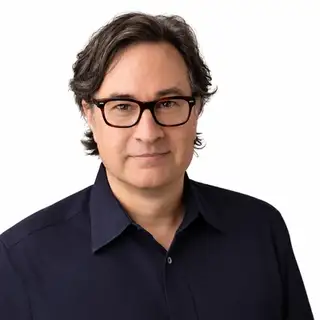
Christian Schneider is a National Review contributor and writes the Anti-Knowledge newsletter. He is a co-host of the podcast Wasn't That Special: 50 Years of SNL.
Advertisement
Advertisement
To relieve stress nowadays, modern high school students may fire up a game of Grand Theft Auto VI or bring a puppy dog to class. But in the recent past, American high schools would set aside a patch of blacktop where tense teenagers could fire up a couple of heaters between classes, presumably so nobody would show up to fourth-period algebra in nicotine withdrawal. Understanding that there was nothing they could do to prevent kids from lighting up, schools in the 1970s and 1980s frequently had smoking courts. The calculation was that they might as well keep the students in their line of sight.
In those days, airplane passengers could light up while in flight, swathing 150 strangers inside a metal tube at 30,000 feet in Pall Mall smoke from Milwaukee to Phoenix.
About the Author
Christian Schneider is a National Review contributor and writes the Anti-Knowledge newsletter. He is a co-host of the podcast Wasn't That Special: 50 Years of SNL.
On “Paying People to Quit Smoking Is a Real Drag”
Advertisement
Advertisement

Comments
On “Paying People to Quit Smoking Is a Real Drag”