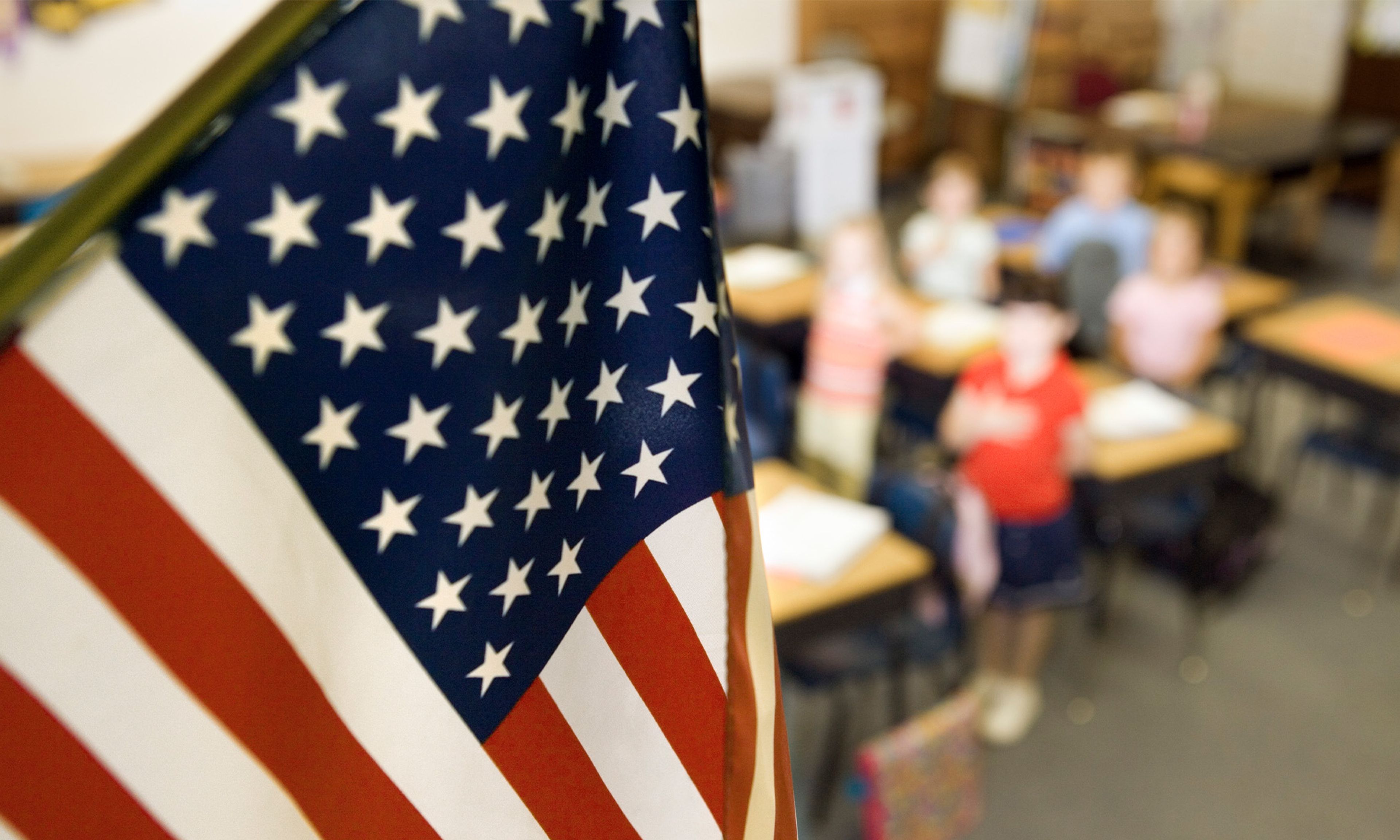
Civics education in America is in bad shape. Every four years, the Department of Education administers a National Assessment of Educational Progress exam that tracks students’ scores in civics and history. The 2022 scores released a few months ago are grim, demonstrating significant declines for eighth-graders from four years ago. In fact, after a small increase, civics scores have returned to 1998 levels, showing that — despite over two decades of civics reform — little progress has been made.
Those of us in the civics space frequently hear about the dire state of civic knowledge of students and average citizens, accompanied by a call to action. The solution that civics-education reformers typically provide is to focus on civics practices that foster engagement, including classroom instruction, service-learning, and discussion of current issues. Given the results, however, it seems worth considering what might be missing from current reform efforts, and whether anything can be done to save us from pushing the boulder up a hill, only for it to roll back down again.




Comments