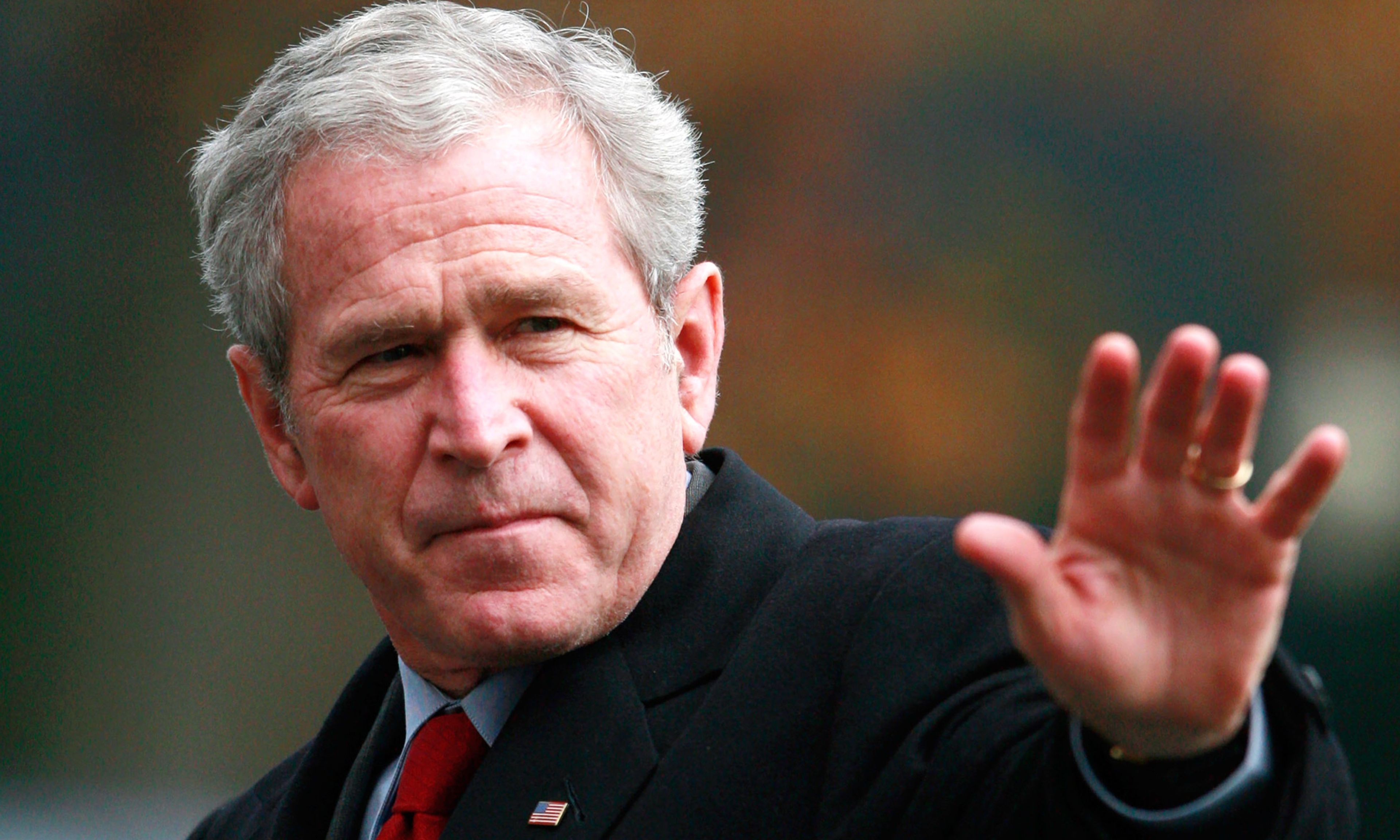
For a short period right after the Cold War — roughly 1992 to 2004 –Americans had a clear vision of what they wanted in a president: a middle-aged, multi-term, reform-minded governor. This made perfect sense, because governor is the job that most closely mirrors the presidency.
Governors run an executive branch with thousands of employees, make cabinet appointments, tussle over budgets, sign legislation into law, veto legislation they oppose, appoint judges, and respond to natural disasters. When they want to get their agenda enacted, they have to persuade legislators. Sometimes they have to fire cabinet appointees or heads of state agencies. They run welfare and public-health programs. They oversee state police forces, prison systems, environmental-protection agencies, and tourism offices, and enforce state laws. Perhaps the only thing presidents do that they don’t is conduct foreign policy.





Comments