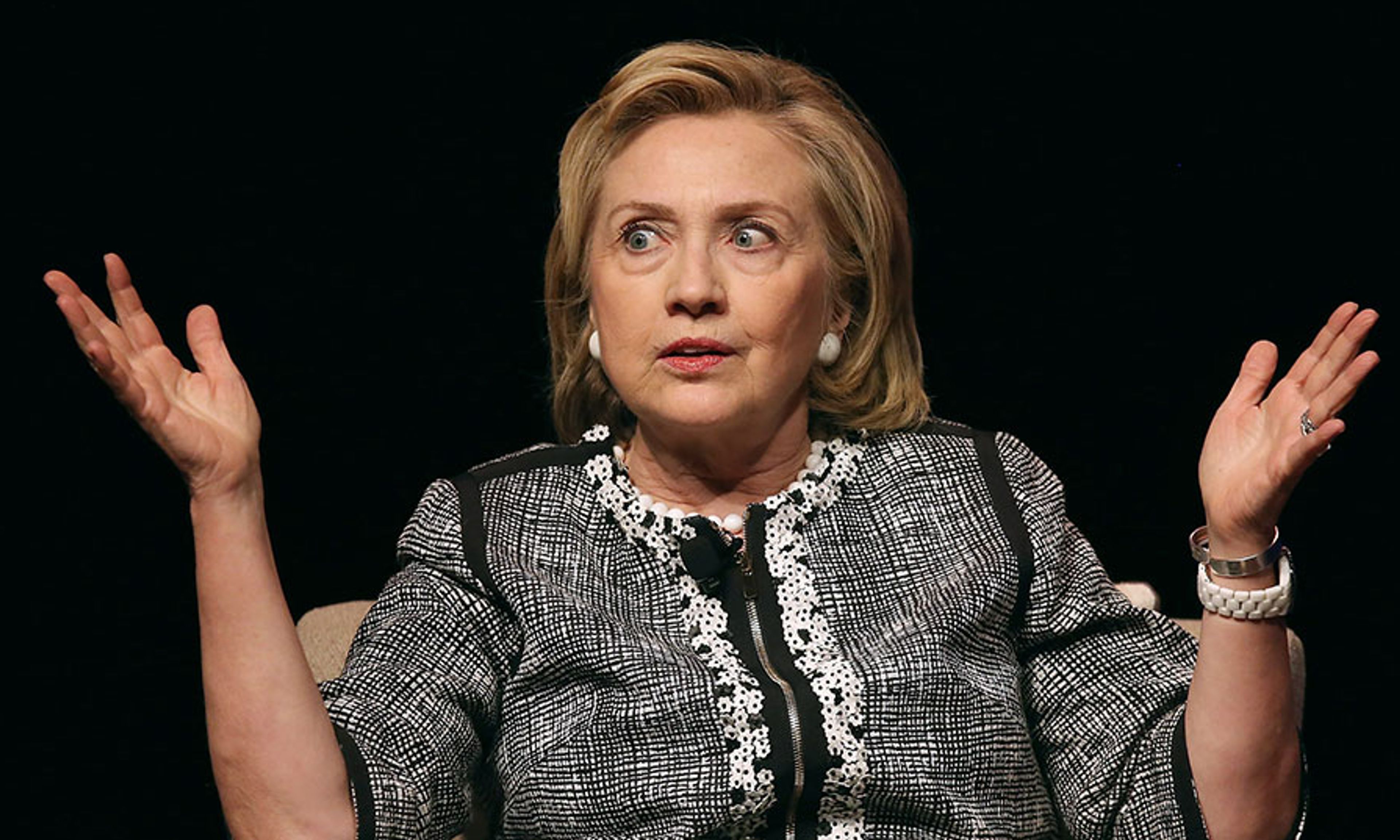
Hillary Clinton’s e-mail controversy has left her supporters in the media and her political circle grasping at straws. A few weeks in, her supporters have looked for any excuse, no matter how ridiculous, to justify her practice of using only a personal account through a private server run out of her home. Familiar faces from the 1990s as well as new surrogates have rushed to protect the 2016 Democratic frontrunner as each new damning detail emerges. As you can see below, their efforts have produced decidedly mixed results:
- If Edward Snowden could hack into government e-mails, Hillary shouldn’t be expected to bother trying to ensure the security of her communications.
Just as Schultz’s had, Carville’s other defense ended up underlining a negative point in Clinton’s public image. In attempting to cast the former first family as victims of double standards, Carville ultimately ended up reminding audiences of ABC’s This Week that his political patrons have been embroiled in other controversies demonstrating their sense of entitlement to special treatment and the right to operate outside the rules.
“There’s one set of rules for the Clintons and one set of rules for everybody else,” he said, arguing that the media covers Bill and Hillary unfairly. Republican strategist Ana Navarro and Fox News host Greta Van Susteren were quick to point out that Carville “stepped in it” with his flailing defense.
- Condoleezza Rice and Colin Powell Did It!
#related#Another go-to talking point for Democrats throughout this storm of controversy has involved accusing Clinton’s predecessors at the State Department of the same violation, and claiming that Clinton has been more transparent by comparison, simply because she handed over tens of thousands of self-approved e-mails at State’s request. The likes of Carville, Brock, and Rendell have employed this defense, as have a number of lawmakers throughout numerous media appearances. Unfortunately for these flacks, it doesn’t hold up.
The Washington Post fact-checked what it called “the misleading Democratic spin” on the claim, giving it three Pinocchios. Clinton came to Foggy Bottom after e-mail and standards for archiving electronic communications had long been established in the federal government, unlike Rice, who hardly used any e-mail during her tenure, or Powell, who served in the position before standards had been as clear-cut as they were during Clinton’s time. “By the time Clinton took office, federal expectations for archiving electronic records were clearer than they were under Powell’s tenure,” the Post wrote.
— Andrew Johnson is an editorial associate at National Review Online.






Comments