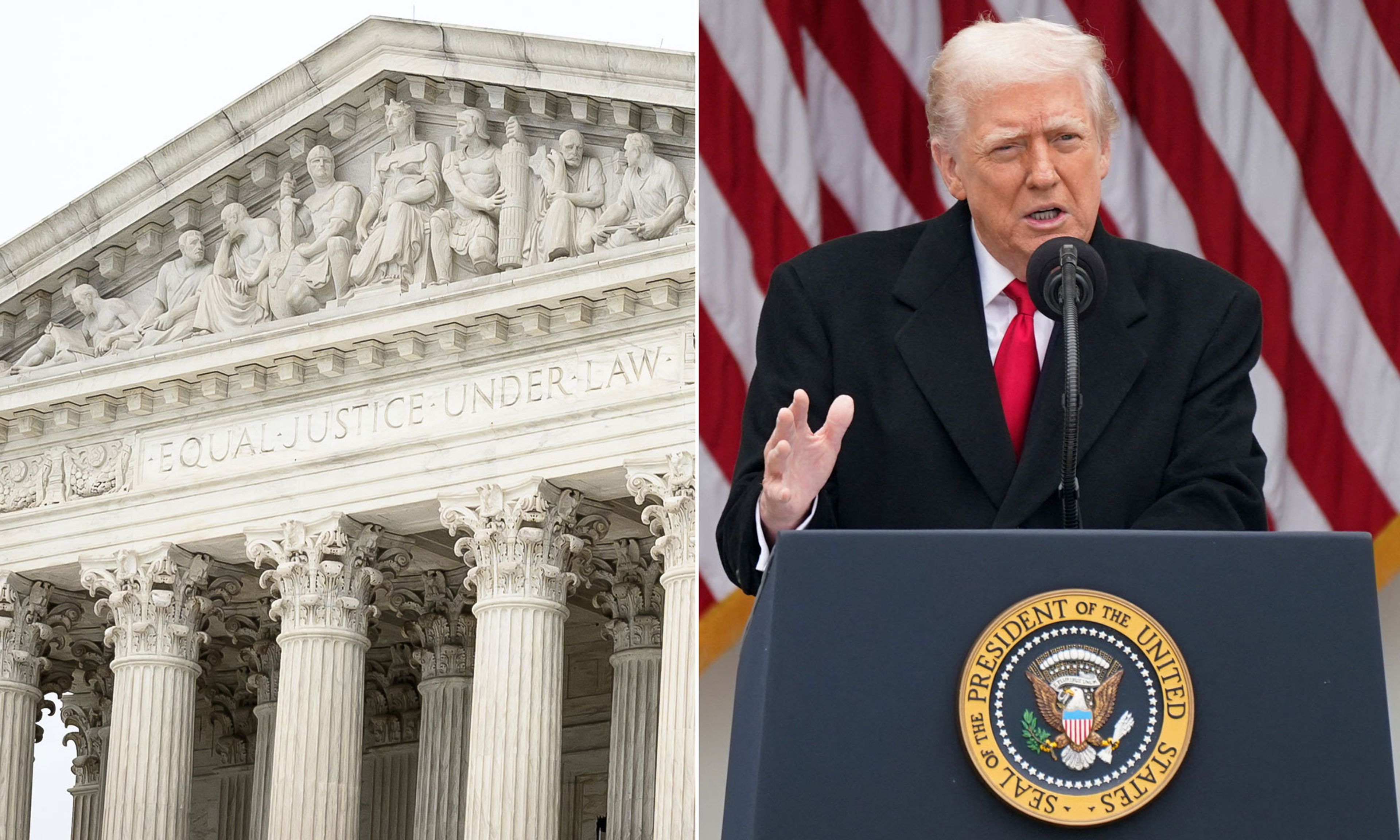
The usual pattern, when the Supreme Court does something historic, is that the historic thing is the headline (celebrated by its proponents, denounced by its critics), while legal analysts sift through the open questions about how far the new ruling goes. Today’s pair of decisions on the president’s power to remove the heads of “independent” agencies reverses that pattern. The decisions showcase Chief Justice John Roberts, who wrote the majority opinion in both cases, and illustrate what most drives the chief justice’s critics to distraction. This was the full Roberts experience.
The big-deal, straight-into-the-textbooks case is Trump v. Slaughter. Today’s decision allows Donald Trump to remove a member of the Federal Trade Commission without cause and without judicial interference, and its principle extends to most of the “independent” agencies created by Congress. After 91 years of controversy, the Court overruled Humphrey’s Executor v. United States (1935) and ruled that presidents can remove executive branch officials even if Congress tries to statutorily restrict that power, given the president’s sole personal power and duty to carry out the tasks given to the executive branch under Article II. That is the case even though it is Congress that creates the offices and the Senate that confirms appointments. Once they are sent to work in the executive branch, they work for the president, and the president cannot do his job if he can’t fire them.





Comments