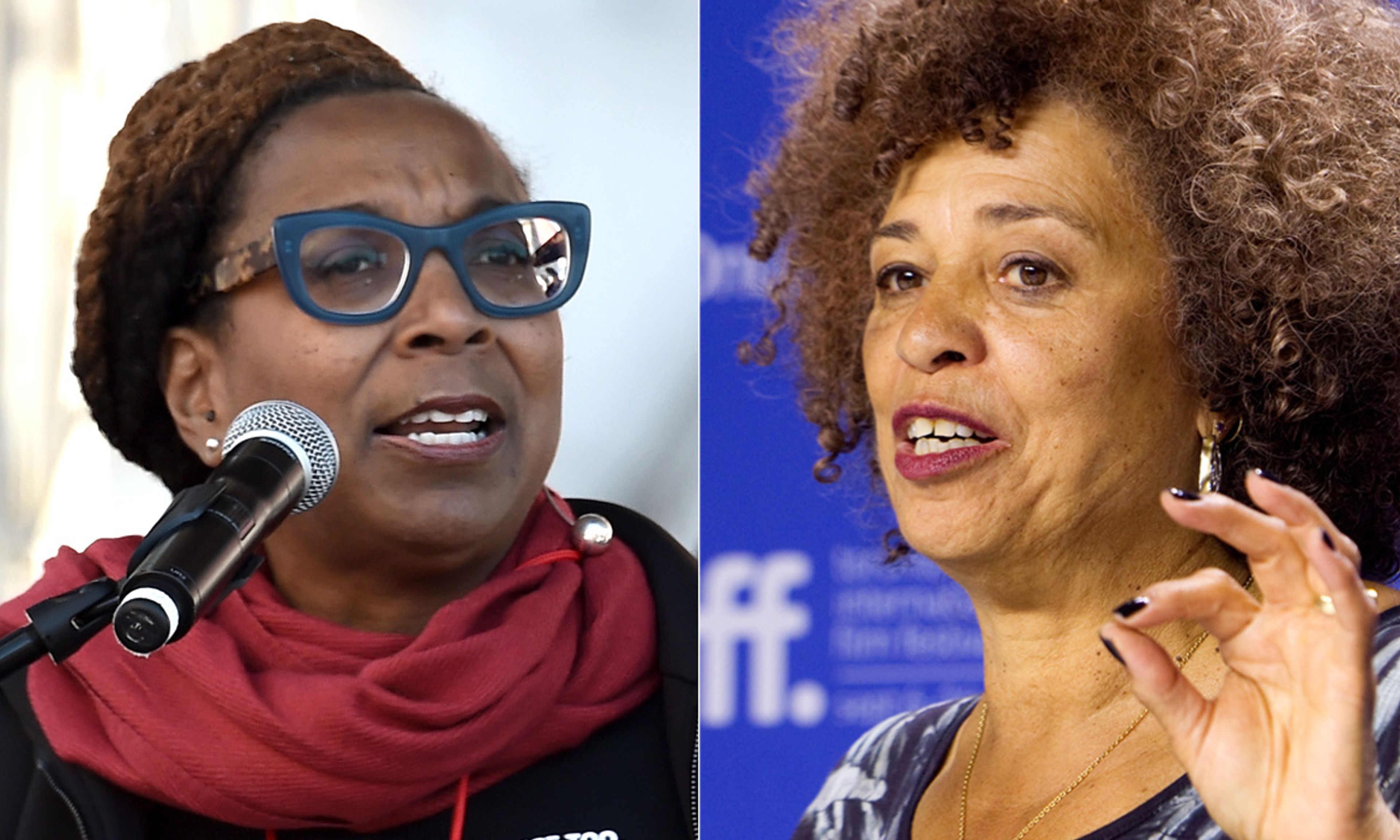
Self-described “antiracism educator” Tim Wise isn’t happy with the College Board. On a metaphysical level, that’s because being unhappy — and doing one’s darndest to make everyone else unhappy, too — is a core part of the “antiracism educator” job description. But in this specific case, Mr. Wise is upset that the College Board removed the most radical elements from its new AP African-American Studies class plan: “The @CollegeBoard can deny it all day long (and will) but y’all caved to right wing pressure over the AP African American Studies curriculum,” Wise complained on Twitter yesterday. “There is no other logical reason for removing Angela Davis and [Kimberlé Crenshaw] from the material.”
On the first count, Wise may have a point. The head of the College Board insists that “the changes were all made for pedagogical reasons, not to bow to political pressure,” the New York Times reported. But it’s difficult to see how the massive controversy over the original curriculum, led by Ron DeSantis and Florida education officials, didn’t play a role in the College Board’s sudden realization that “Black Queer Studies,” critical race theory, the moral imperative of revolution, and the commendable political thought of card-carrying Communist Party comrades might not be the best lesson plan for America’s high schoolers. One suspects that Davis and Crenshaw may have found their way into the official APAAS plan if it weren’t for the surge of inconvenient public scrutiny. But that’s the trouble with democracy — sometimes the people get their way.





Comments