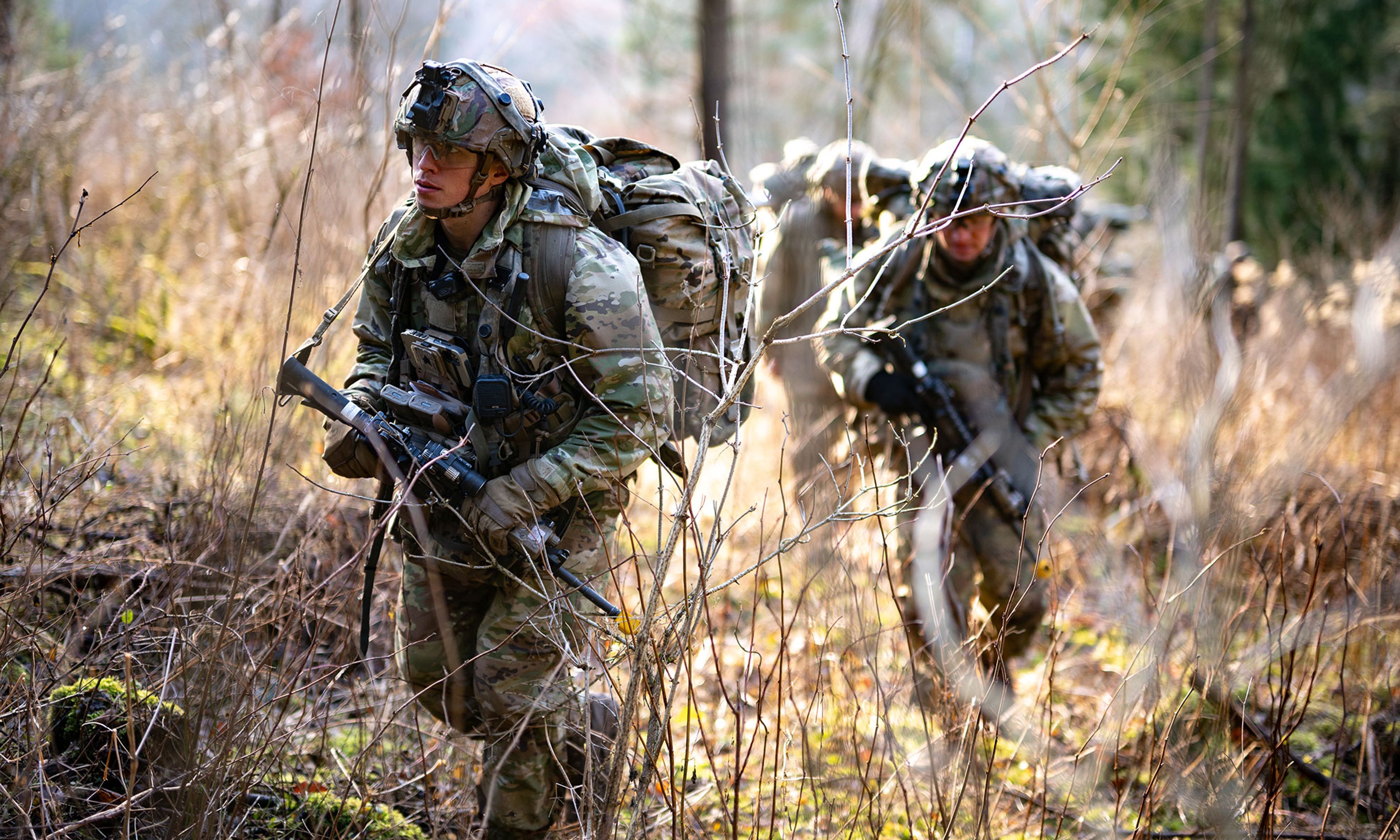
The Munich Security Conference is the world’s preeminent gathering for defense, security, and foreign policy — where heads of state, defense ministers, industry leaders, and the broader security community take the measure of a shifting strategic landscape. It is where assumptions surface, priorities collide, and the future of the Western alliance comes into clearer focus. This year will be my first MSC, and it could not come at a more consequential moment for American security planning — or for the future of the Western alliance itself.
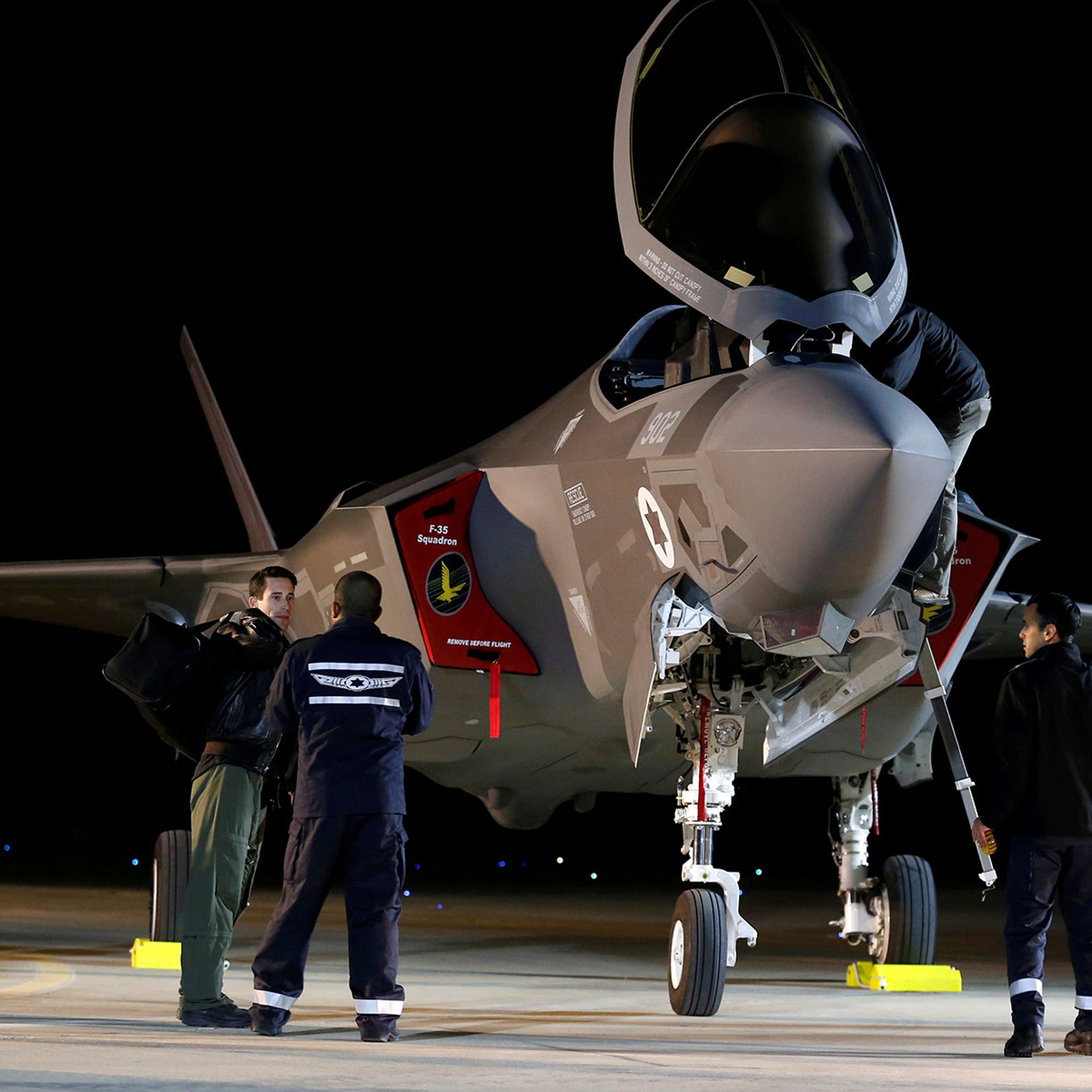
I will attend the conference in support of the work of the House Foreign Affairs Committee, representing a district where national security is not abstract. Washington State’s Fairchild Air Force Base — central to the Air Force’s global airpower and mobility missions — sits in our backyard. That proximity sharpens how I will listen at Munich: Decisions about capability, integration, and deterrence translate directly into operational reality for the men and women who sustain U.S. and allied airpower every day.


Comments