PlusMusic

A Contradictory Composer’s Spiritual Devotion to Craft

British musicologist Emily Kilpatrick’s biography of French composer Maurice Ravel succeeds because it mirrors Ravel’s own approach to work.

Share this story

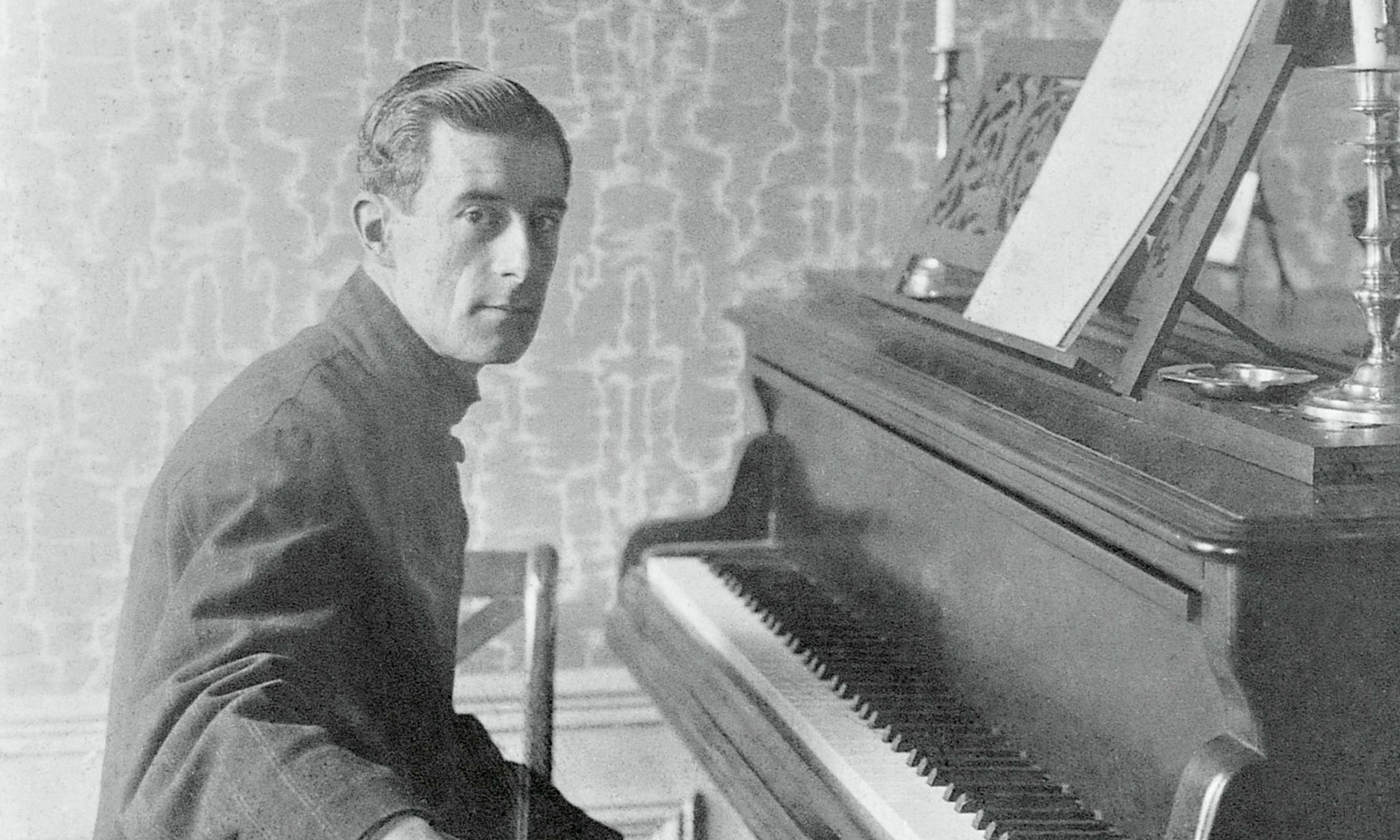
Maurice Ravel in his Paris apartment, March, 1912.

Dea Picture Library/De Agostini via Getty Images

Maurice Ravel (1875-1937) was a man of contradictions: an avowed atheist and political progressive, he nevertheless set to music the poetry of the aristocrat and Nazi collaborator Paul Morand in his song cycle Don Quichotte à Dulcinée. In the cycle’s second song, “Chanson épique,” Don Quixote petitions Our Lord to bless Dulcinea:

It’s a beautiful prayer from a professed nonbeliever. And it opens the door to Ravel’s contradictory world — one not defined by the contours of a narrow ideology, but rather by an almost spiritual devotion to craft.


AN

About the Author

Alexander Norton III

Alexander Norton III is the former student outreach coordinator for National Review Institute. He is an operatic baritone and a recent graduate of the Schulich School of Music at McGill University.

Comments

Advertisement

Advertisement

