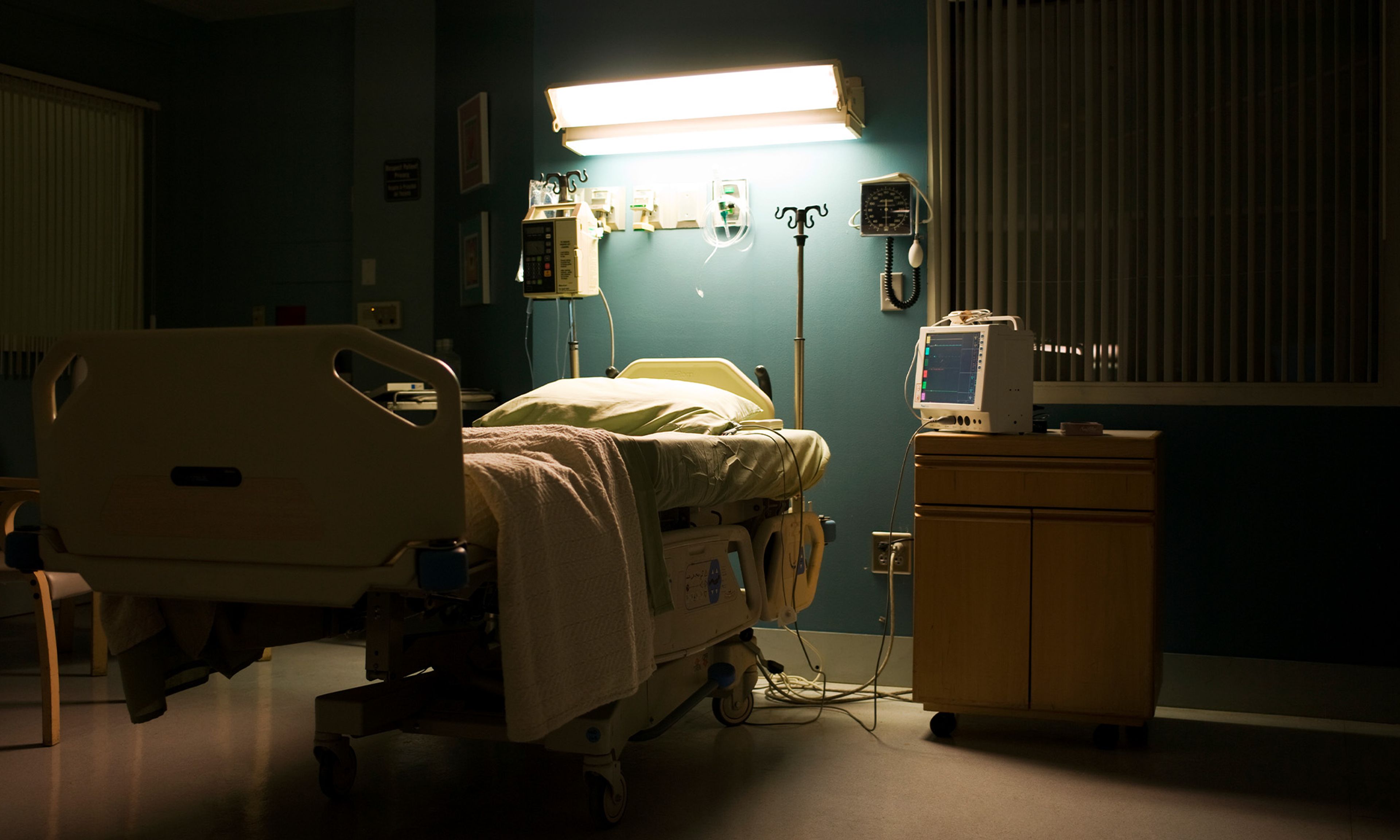
What if your local hospital could declare your family member “brain dead” even though part of her brain was still functioning? What if the hospital could use that illegitimate diagnosis of brain death to then decide to withhold life-sustaining treatment from her and thereby passively euthanize her? And furthermore, what would your reaction be if you were told that there are financial incentives for health entities to withhold the ordinary means of life-sustaining treatment, should your family member suffer significant brain trauma? Tragically, this scenario is possible in our current health-care system today. We believe that the likelihood of its happening to someone you love is growing in the wake of a little-noticed change in a medical association’s brain-death guidelines.
After an unsuccessful attempt in 2023 to change the Uniform Determination of Death Act to downgrade the legal definition of death from whole to partial brain death, the American Academy of Neurology (AAN) has now done so. “It seems that the Guidelines Subcommittee did not consider the attempts in the past 2 years to revise the Uniform Determination of Death Act (UDDA), as this law is the heart of the issue,” Christopher A. DeCock and other physicians and neuroscientists write in a letter to the editor of Neurology.



Comments