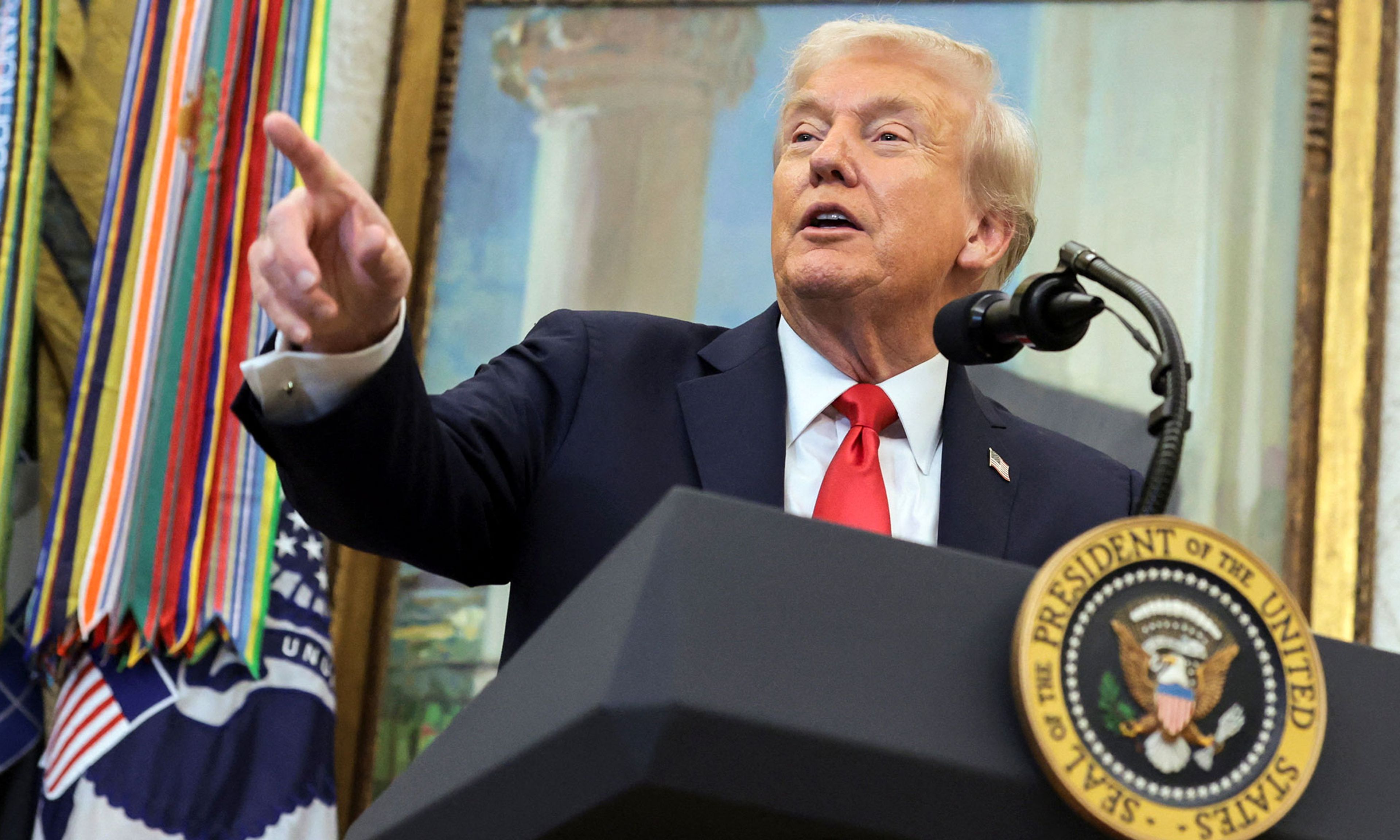
When Trump v. Slaughter is argued before the Supreme Court next week, it could mark a turning point in the history of the United States government. As it’s described in the media, the case doesn’t sound revolutionary. However, if the Court decides that President Trump can remove and replace the members of the Federal Trade Commission, he and future presidents will be able to take control of the 20 or so independent regulatory agencies that today oversee important and specialized sectors of the U.S. economy. This will add substantially to the power of the presidency, while diminishing the ability of bipartisan expert commissions to handle the challenges posed by modern commerce.
The U.S. Constitution is based on a concept called the “separation of powers,” by which Congress, the presidency, and the judicial system each have specific and distinct governmental roles. The separation of powers itself is not mentioned in the Constitution, but the entire document — and the government structure it underlies — is based on the principle that the liberty of the people can be assured only if the legislature, the presidency, and the judiciary are able to function separately from one another.


Comments