Vladimir Putin is doubling down on the war in Ukraine. Far from signaling an increased openness to peace talks, earlier this month, he appointed a new top commander in the hopes of reversing his fortunes on the battlefield. But what explains his persistence? This question continues to flummox some Western observers. A few analysts have claimed that the invasion is about “balance-of-power politics.” Others have focused narrowly on territorial conquest. But, in truth, Putin’s ferocity and willingness to push ahead despite the war’s immense costs both speak to the true nature of the conflict; he views this as an existential challenge to the world order the West built. For him, this is a war about ideas.
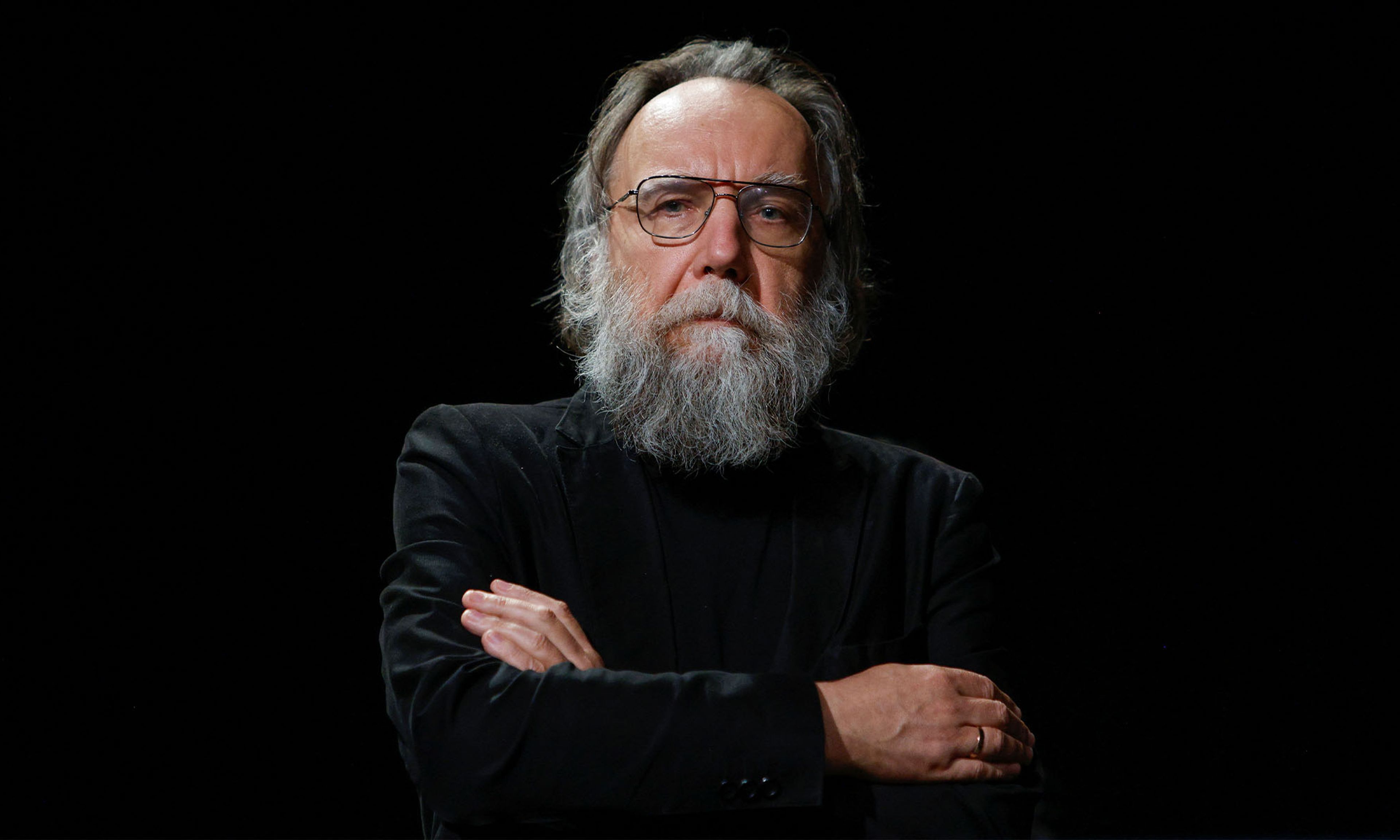
Canadian political scientist Michael Millerman is one Westerner who has explored those ideas. In the latest issue of First Things, he published an “explanation” of Russian intellectual Alexander Dugin, one of the foremost proponents of Russia’s invasion of Ukraine, who in recent months has been a vocal advocate of waging a “total war” — potentially including nuclear exchanges — to win a “clash of civilizations” with the West.

Comments