July is a unique month for national reflection. Toward its beginning, we celebrate the inception of the greatest country on earth, one conceived in liberty and dedicated to the proposition that all men are created equal. Now in the month’s middle, we commemorate the beginning of the French Revolution, a movement that set off years of democratized bloodshed.
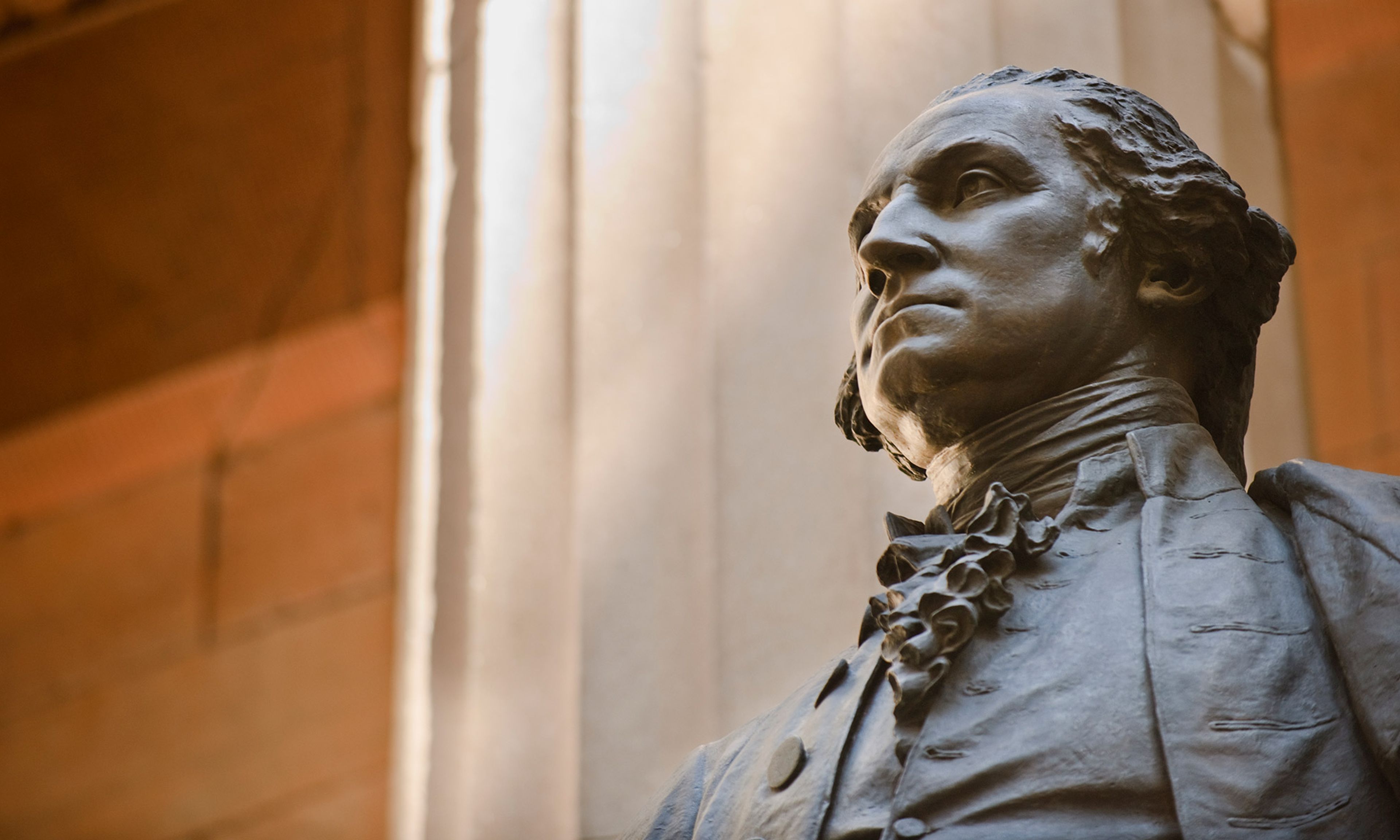
Today is Bastille Day, which celebrates the revolutionaries who stormed the political prison and armory in Paris, a physical manifestation of royal authority. Just as the anniversaries of the two revolutions are proximate, their events were also contemporaneous. Soon after assuming office for his second term, President George Washington chose not to allow the nascent American Republic to aid the French radicals in a war against Great Britain. He made the correct decision from a practical standpoint, as the United States was ill-equipped to engage in another costly war with its former mother country. Simultaneously, Washington displayed great fortitude from a moral perspective. The French Revolution was filled with atrocities, and America’s helping the revolutionaries would have been a grave sin.





Comments