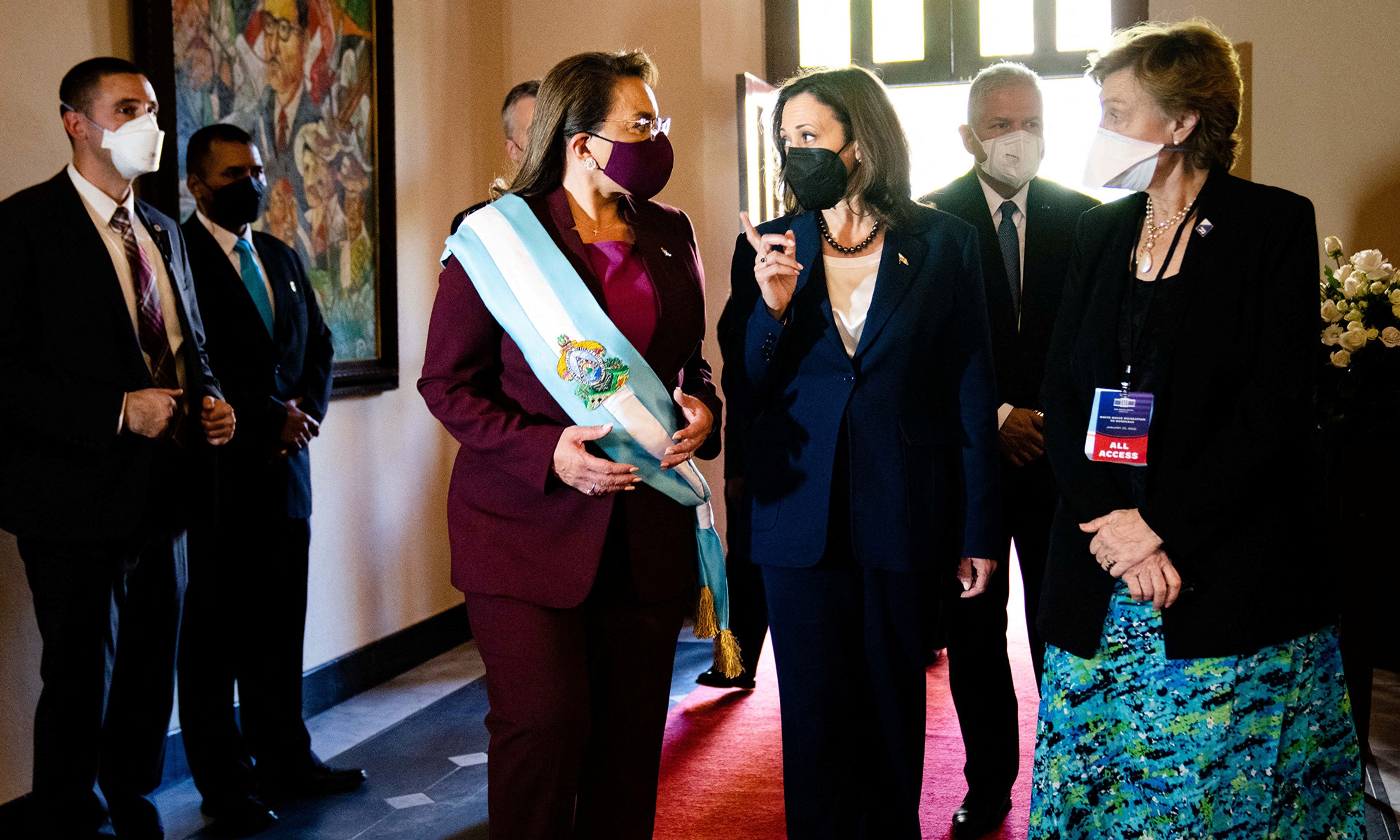
The United States faces a growing bloc of anti-American, authoritarian regimes in Latin America and the Caribbean. The resurgence of strongman and far-left leaders, combined with Chinese and Russian influence in our region, presents serious threats to our economic and security interests. To chart a course consistent with and supportive of American interests in the region, the U.S. will need to help build a new coalition of like-minded governments in the Western Hemisphere.
Our region is in a period of extraordinary upheaval. Ignoring the situation poses real risks and invites destructive consequences. A host of economic problems, exacerbated by Covid-19, have placed extraordinary burdens on many countries. Desperate for change, voters are turning to the hollow promises of authoritarians and leftists — in Mexico, Argentina, Peru, Chile, and most recently, Honduras.





Comments