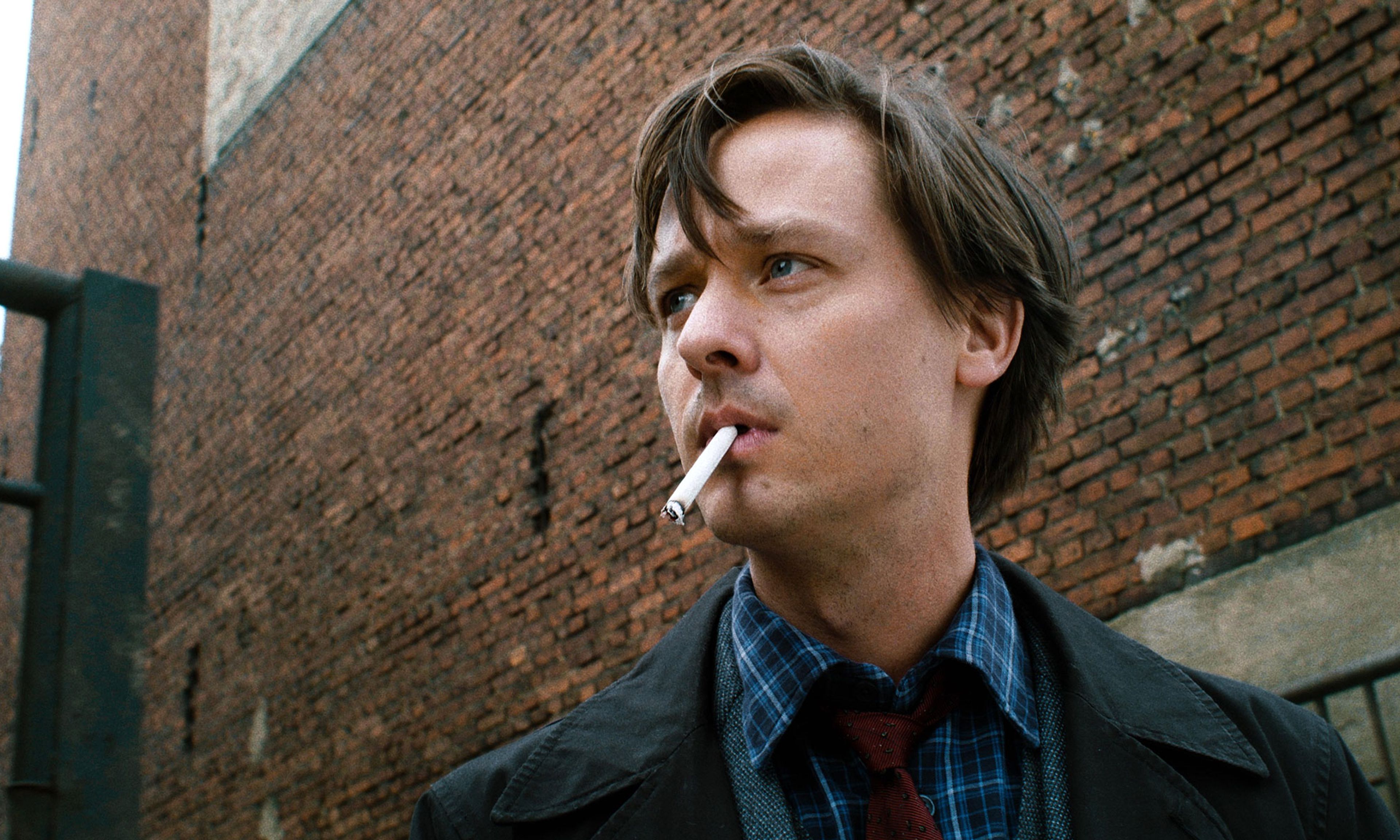
Berlin in 1931 was a cornucopia of the dismal and the depraved: freaks, addicts, sex maniacs, hideously wounded veterans, and open-mic performers. Things could not hold. A narrator of the outstanding new German film Fabian, or Going to the Dogs dryly notes, “The barometer forecast changing conditions.” One character insists that “you only get out of the dirt by being dirty.” A professor declares, to the contrary, that “we need a new order” to erase the “postwar chaos.” Madness and fascism are in the air. “The wrong people died,” we are told, “and the wrong people lived.”
Powerfully directed by Dominik Graf from a 1931 novel by Erich Kästner, which was previously filmed in 1980, Fabian paints a more detailed and broader portrait of the era than Bob Fosse’s Cabaret, which suffered somewhat from the limitations of the Broadway imagination. Expanding outward from the love affair between a writer and a budding actress, Fabian is a vision of what happens when a society unites around license and liberation, but it’s also a somber cautionary tale about the reaction that is triggered by unlimited decadence. On a Hieronymous Bosch canvas of exuberant weirdness, Graf’s tableau contains little hints that the present arrangements are unstable: A factotum with a fascist haircut opines that homeland is all you really need. In the background of a restaurant, brownshirts haul off citizens for questioning. We are in the final months before the September 12, 1931, antisemitic attacks in Berlin that presaged Kristallnacht.



Comments