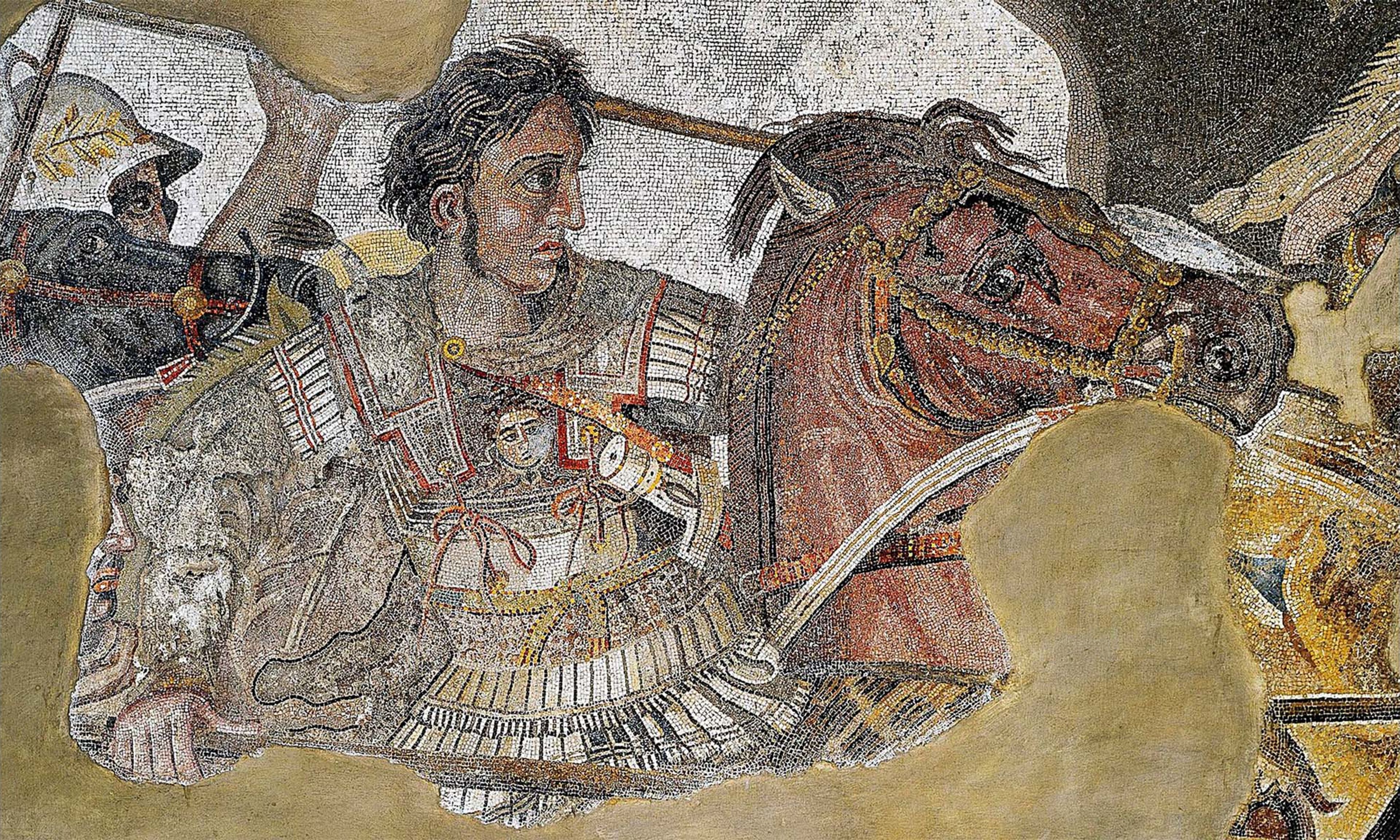
On Thursday, I wrote about the Archaeological Park of Pompeii, but one story isn’t enough to cover what is an encyclopedia of everyday life in ancient Rome. About 10,000 people lived in tony, buzzing Pompeii when Vesuvius blew its top in a.d. 79. Nearly all fled as volcanic ash fell, first in flurries, then in a blizzard followed by gusts of carbon dioxide gas and waves of intense heat. Those who stayed, of course, died unpretty deaths. As much as 20 feet of ash buried and — miraculously — preserved Pompeii, which, over the centuries, was more or less forgotten. Excavations starting in 1750 made for an international sensation, and ongoing work today keeps finding surprise after surprise.
Pompeii tells us about ye olde Rome, but it’s an Enlightenment story as well. Its countless excavations were taken very seriously by the Italians from the start. Modern archaeology, scientific and painstaking, was born there. Italy can be a shambolic proposition, and there’s no shortage of theft, mishandling, and smuggling of antiquities, but Pompeii has been treated with the utmost care. Drones, satellite imagery, and ground-penetrating radar are among the state-of-the-art technologies used by Pompeii’s archaeologists today, but it’s really an international endeavor with lots of American participation.





Comments