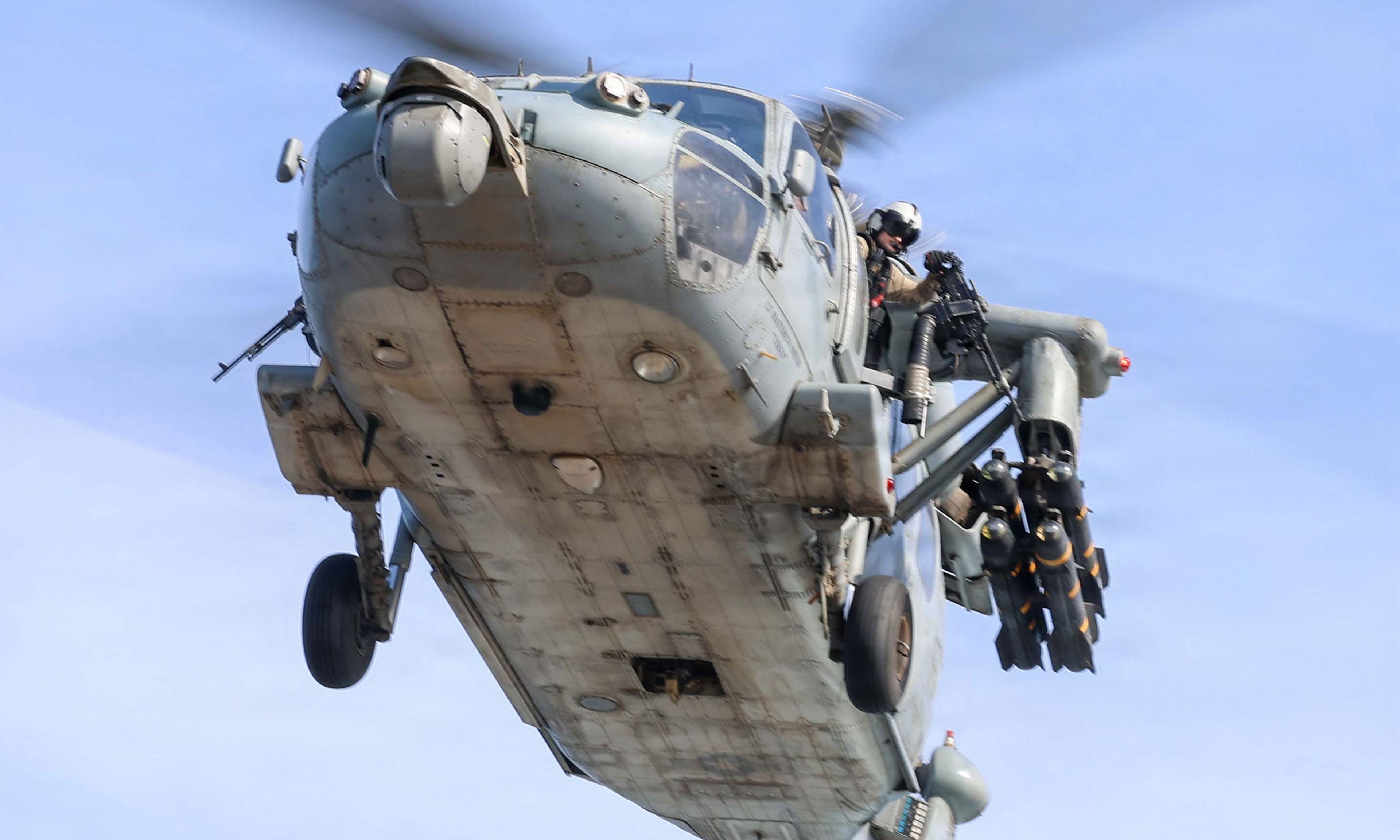
Apart from nuclear weapons, there was no military program the Islamic Republic of Iran prioritized quite like its layered anti-air defense network. Its Russian- and Chinese-supplied radars and surface-to-air missile systems were formidable and believed to be capable of neutralizing even America’s most advanced aircraft. As recently as 2024, observers believed that the costs associated with an air war over Iran would be “high.” So it is, indeed, remarkable that Iran finally managed to down a coalition aircraft on Friday . . . only 13,000 sorties into the campaign.
“It was a high-profile setback for the Trump administration,” the New York Times report said of the downing of a U.S. F-15E Strike Eagle from enemy fire. After all, administration officials have “repeatedly sought to project American air supremacy in the war,” the Times determined — even if they never said as much outright. In fact, administration and Pentagon officials have consistently stressed that the U.S. and Israel maintain “air superiority” over Iran, which is a distinction with a difference.

Comments