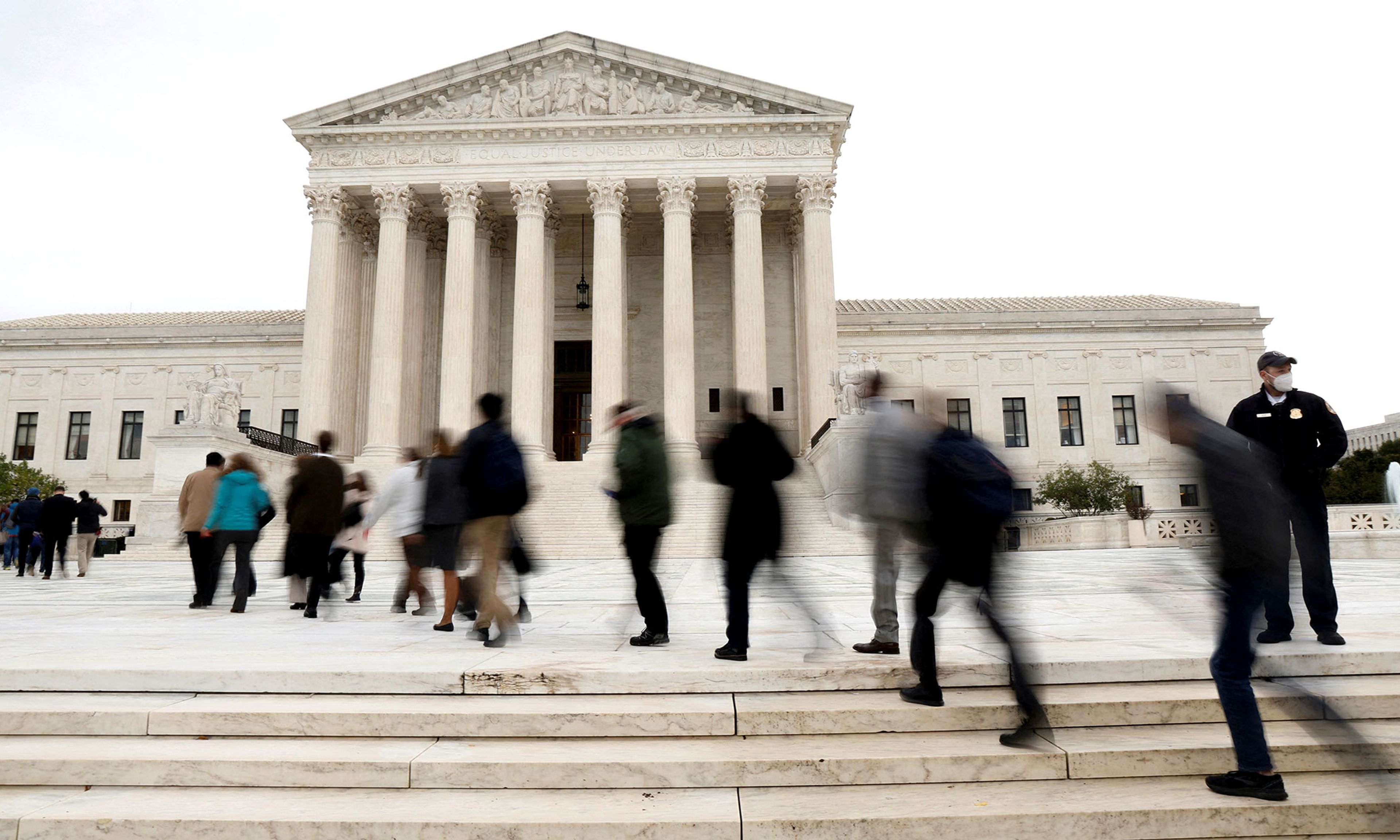
The freedom of Americans to practice their religious faith is sufficiently embattled these days that the “first freedom” needs to sail under the flag of free speech to secure its full protection. This morning at the Supreme Court, in 303 Creative LLC v. Elenis, a 6–3 Court ruled that a creator of wedding websites can practice her trade even if she refuses the government’s demand that she violate her conscience by celebrating same-sex weddings. Unless and until the Court reconsiders its jurisprudence around the free exercise of religion, we will have to settle for protecting religious faith as just another form of speech. For now, it will do.
303 Creative may not be a ruling specific to religious liberty, but it is a victory for artists and creators of all kinds. Justice Neil Gorsuch’s opinion for the Court emphasizes that “the freedom to think and speak is among our inalienable human rights,” which may not be commandeered by the government. And it frames this as a right possessed by all Americans, regardless of whether the motive for their dissent from government orthodoxy is religious in nature.





Comments