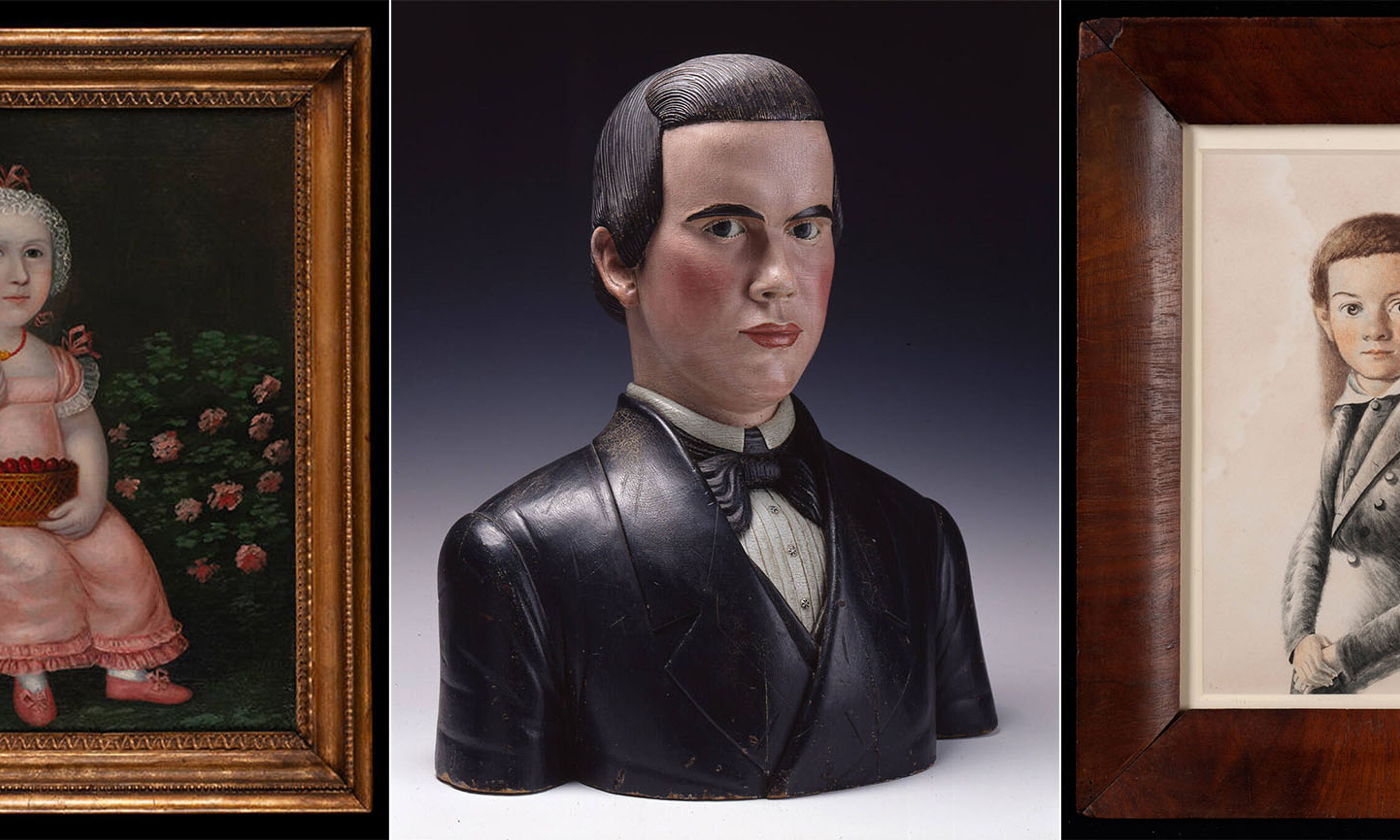
I haven’t gone amnesiac about the psychos running the Smithsonian. They’re on the block for next week. I started this two-parter, though, and like to finish my projects. Earlier this week I wrote about news from the Clark Art Institute in bucolic Williamstown in northwestern Massachusetts. Founded in 1955 by Singer Sewing Machine heir Sterling Clark (1877–1956) and his French-actress wife Francine, it’s much loved for its Renoirs, Sargents, Homers, English silver, and French porcelain. It just debuted a gift of more than 300 Old Masters, many portraits. The Clark is always a pleasure to visit but especially now.
About a hundred miles west is Cooperstown, on Lake Otsego in central New York, home to the Baseball Hall of Fame, the Fenimore Art Museum, and Fenimore Farm, a museum of farm life. What does the Clark have to do with Cooperstown? The Clark fortune comes from the Singer Manufacturing Company and the sewing machine, a life changer. Cooperstown is the Clark family seat, and the Clark family is more than Sterling. Stephen Clark (1882–1960), Sterling’s estranged brother, ruled the roost in Cooperstown. The museums there are his doing. They quarreled in the early 1920s over, guess what, money and Francine, never to speak again. Sterling believed that Stephen was an icy, snooty plutocrat. Stephen and the Cooperstown Clarks tagged Sterling as a Nazi kook. Both brothers were distinguished art collectors and lived parallel lives.


Comments