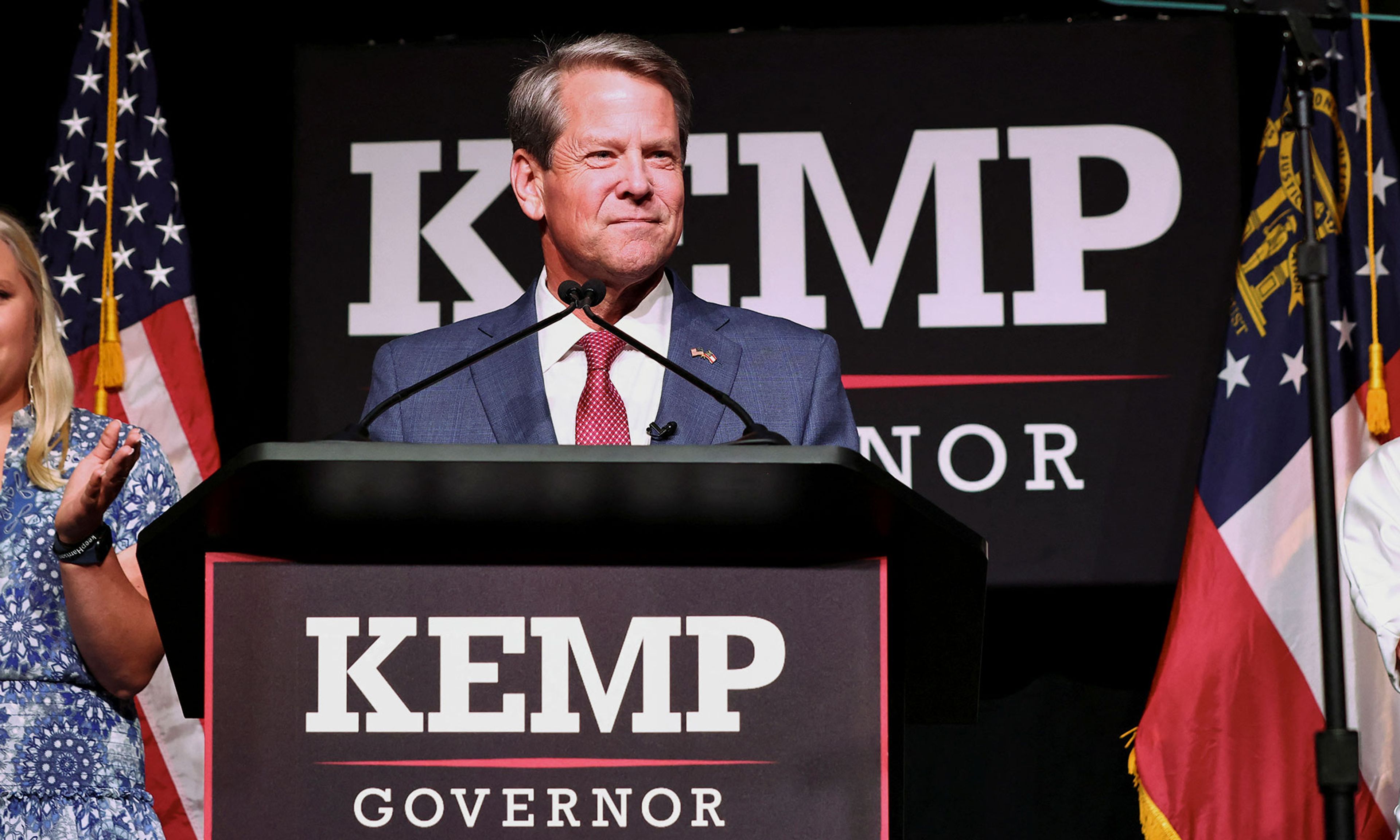
New York Times columnist Thomas Edsall tried to do a victory lap yesterday over the supposed failure of Republican-backed election-integrity laws. Instead, he merely showed that he didn’t understand the purpose of those laws in the first place:
Luckily, Edsall argues, new research shows that voter-identification requirements, rollbacks of early voting, and related laws tend to have very little effect on the outcomes of elections. Even the number of “minority opportunity” districts, which are designed to allow racial minorities greater control over the outcome of congressional races, went up in states that were affected by Shelby County. Of course, Edsall can’t accept that election-integrity laws were never intended to manipulate election outcomes in the first place. Instead, he asserts that “the American electorate is determined to exercise the franchise and is resistant to legislated hindrances.”





Comments