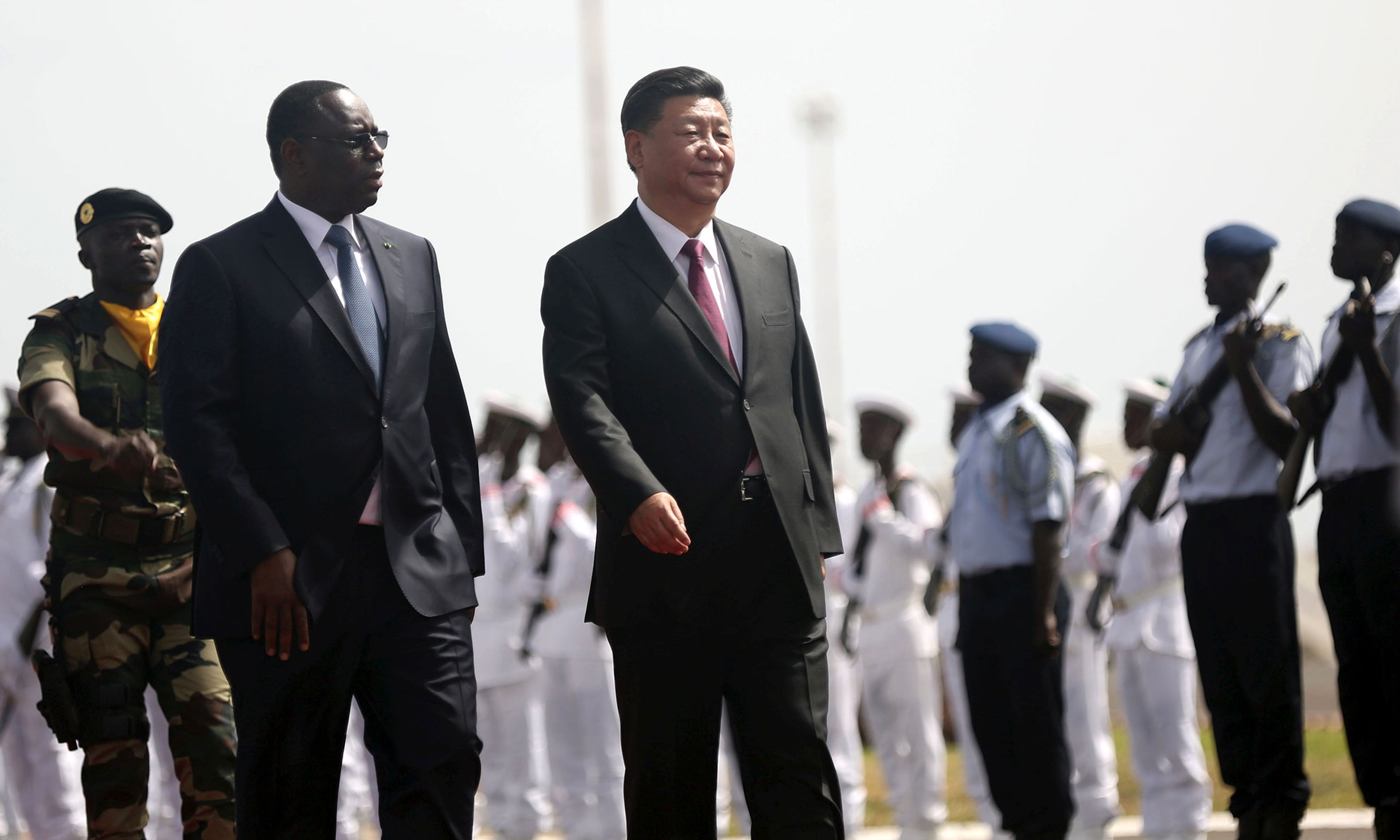
Since the end of the Cold War, the United States has been the biggest and most active player in global diplomacy, brokering peace deals, providing development assistance, and directing international institutions. Over the past decade, however, that paradigm has changed dramatically. Since the beginning of the Xi Jinping era, the Chinese Communist Party has significantly expanded its diplomatic efforts across the globe and its influence within multilateral institutions. At the same time, the United States has taken a secondary role on the world stage, first with President Obama’s “leading from behind” and then under the “America First” Trump administration. Biden’s term has seen a more assertive United States, but in precisely the wrong ways, privileging progressive ideology over American national interests. This process is seen most clearly in the diplomatic competition over Africa.
Since coming into office, one of the Biden administration’s top overseas priorities has been engagement with Africa, its rising populations and largely untapped resources making it a potential driver of 21st-century economic development. The White House hosted a United States–Africa Leaders Summit late last year, First Lady Jill Biden has traveled to the continent, and Vice President Kamala Harris recently toured various African nations. This focus is meant to bring the U.S. back into the forefront of African development after a decade of relative diplomatic neglect. Unfortunately, the approach taken by the current administration has left much to be desired.





Comments